Plastic free flooring is the fastest-growing request we hear from homeowners across Marion and Lake counties, and for good reason. Many popular "eco" floors still contain vinyl, PVC binders, or synthetic backing that off-gasses volatile organic compounds (VOCs) — chemical vapors released from certain materials as they cure or age. True plastic-free options, like solid hardwood, natural fiber carpet, and stone, skip those synthetic layers entirely, giving you cleaner indoor air without sacrificing style.
If you’ve ever noticed a strong "new floor smell" after an install, that’s usually off-gassing in action — and it’s exactly what plastic-free and VOC-free materials are designed to avoid. This guide breaks down what plastic-free flooring really means, which materials qualify, and how to choose confidently for a Florida home.
📌 Key Takeaways
- Plastic free flooring means no PVC, vinyl, or synthetic plastic layers in the wear surface or backing.
- Solid hardwood, tile, stone, and natural fiber carpet are the most reliable pollutant-free choices.
- Look for FloorScore or GreenGuard Gold certification labels to verify low-VOC claims.
- Florida’s humidity means material choice affects both air quality and long-term durability.
- A quick request a quote visit lets you test samples in your own lighting before deciding.
Jump to a section:
- What Actually Counts as Plastic Free Flooring?
- Why Homeowners Are Choosing Pollutant-Free Flooring
- Top Plastic Free Materials for Florida Homes
- VOC-Free Flooring Trends to Watch
- Plastic-Free vs. Traditional Vinyl: A Side-by-Side Look
- Cost, Durability, and Installation Realities
- How Elite Floor Crafters Helps You Choose Safely
- FAQ
What Actually Counts as Plastic Free Flooring?
Quick Answer: Plastic free flooring contains no PVC, vinyl, or synthetic polymer layers anywhere in the product — not in the wear layer, the core, or the backing. That rules out standard luxury vinyl plank (LVP) and most sheet vinyl, even the "green" versions.
The Confusion Around "Eco-Friendly" Labels
A lot of marketing muddies the water here. A product can be low-VOC and still be plastic-based, because VOC content and plastic content are two different things. We’ve had clients in Gainesville assume a low-VOC vinyl was plastic-free simply because the box said "eco."
True plastic-free materials are things nature already made: wood, stone, clay tile, wool, jute, and cork (cork is a natural bark product, not a plastic composite). If you want the full comparison of PVC-based products, our PVC-free flooring guide breaks it down material by material.
💡 Expert Insight: In our showroom consultations, we always ask clients to bring us the actual product spec sheet, not just the marketing flyer — the technical data tells the real story.
Why Homeowners Are Choosing Pollutant-Free Flooring
Quick Answer: Families choose pollutant-free flooring to reduce indoor air pollutants, especially in homes with young kids, allergies, or aging residents who spend more time indoors. The EPA notes that indoor air can be two to five times more polluted than outdoor air, and flooring materials are a major contributor.
Health and Air Quality Concerns
Formaldehyde is one of the most common flooring-related pollutants, often used in adhesives and engineered wood binders. According to the EPA’s formaldehyde resource page, long-term exposure has been linked to respiratory irritation, which is why low-emission adhesives matter as much as the flooring itself.
It’s Not Just About Health
Beyond air quality, natural materials tend to age with more character. Solid hardwood can be sanded and refinished for decades, while some plastic-based floors simply get replaced once worn. That long-term value matters to homeowners who see flooring as an investment, not a disposable product.
⚠️ Common Mistake: Assuming any product labeled "green" or "sustainable" is automatically plastic-free — always check the actual material composition, not just the marketing language.
Top Plastic Free Materials for Florida Homes
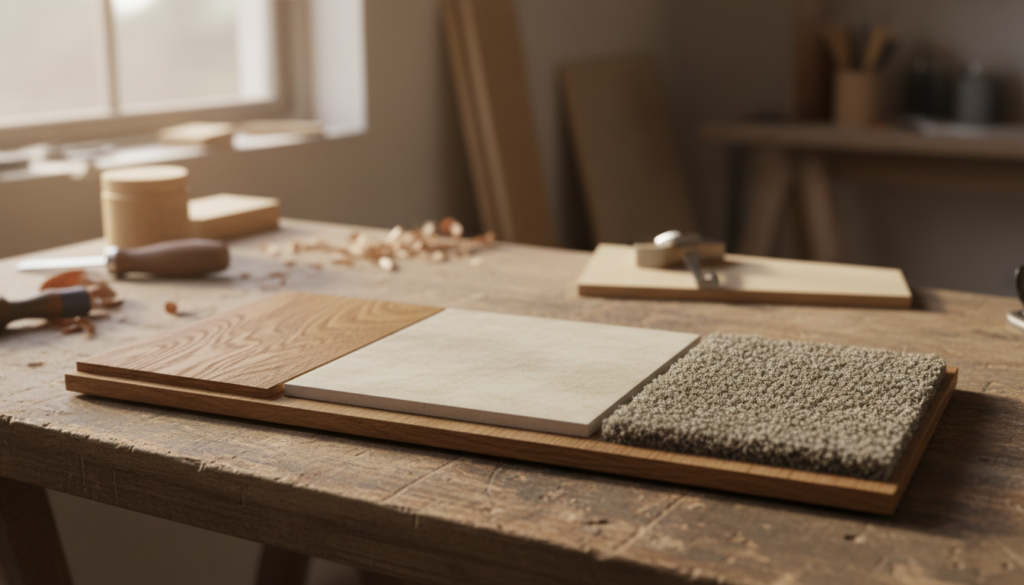
Quick Answer: The most dependable plastic-free options for our climate are solid or engineered hardwood, porcelain tile, natural stone, and wool or jute carpet. Each handles Florida humidity differently, so material choice should match the room.
Solid and Engineered Hardwood
Solid hardwood is 100% wood, while engineered hardwood layers real wood veneer over a plywood core — both are plastic-free as long as the adhesives are low-VOC. We install both throughout Ocala, The Villages, and Leesburg homes, and generally recommend engineered options in rooms with higher moisture swings.
Natural Fiber Carpet and Rugs
Wool and jute carpets skip the synthetic fibers found in most nylon or polyester carpet lines. They’re naturally flame-resistant and biodegradable, though they do cost more upfront and require careful cleaning to avoid moisture damage in humid Central Florida bedrooms.
Tile and Stone Options
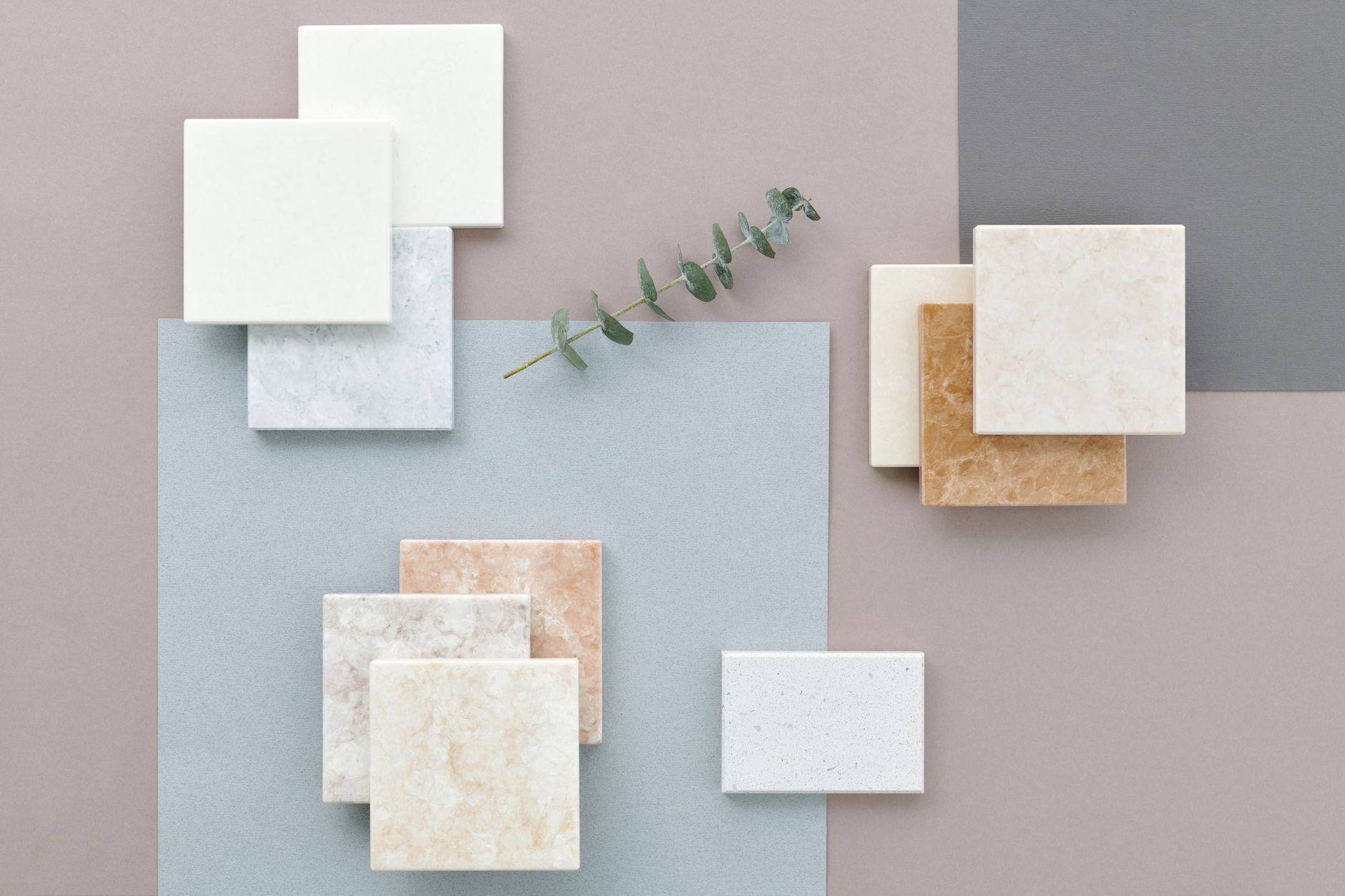
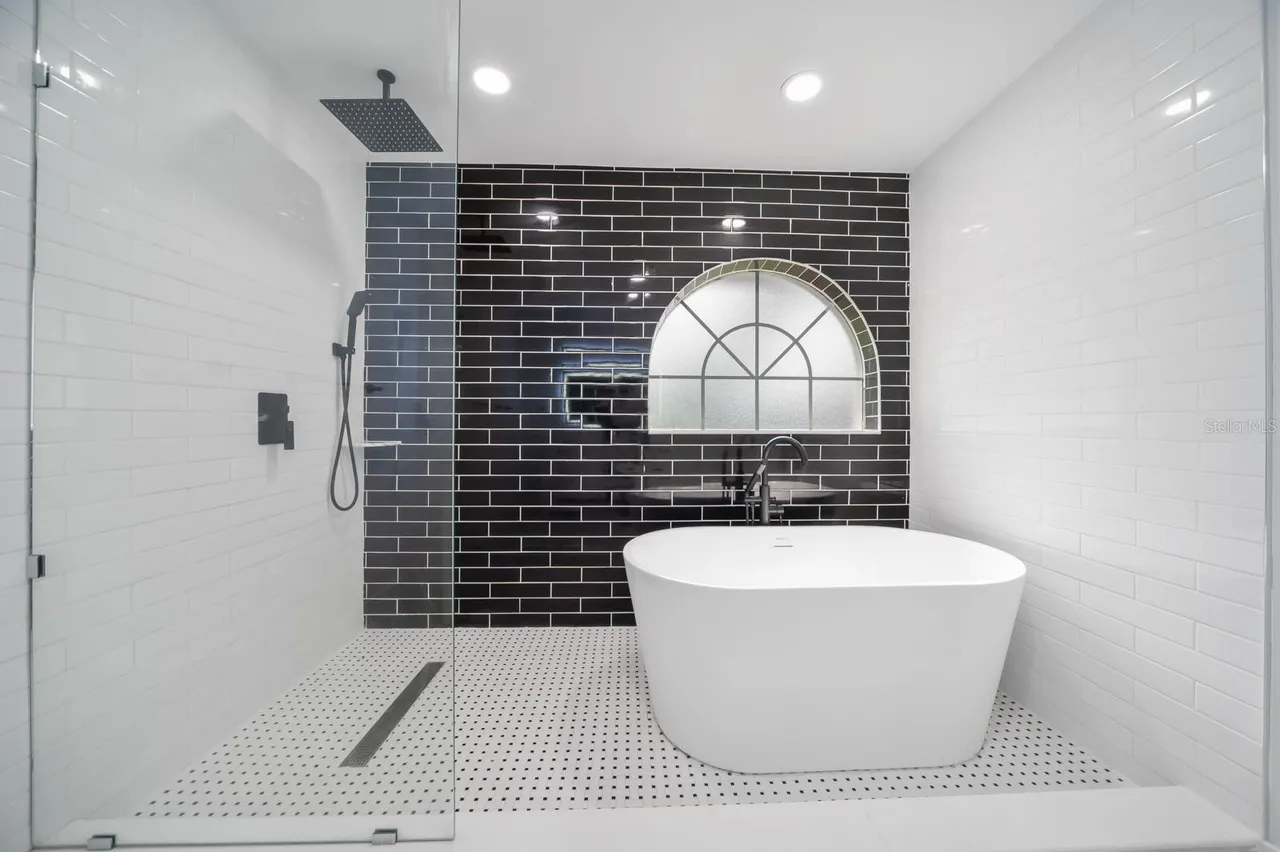
Porcelain tile, ceramic tile, and natural stone are inherently plastic-free and extremely durable in Florida’s heat and humidity. They’re a favorite for kitchens and bathrooms because they resist moisture completely — see our kitchens and bathrooms project galleries for real examples.
✅ Quick Tip: Ask your installer whether the grout and adhesive are low-VOC too — the flooring material itself isn’t the only source of pollutants.
VOC-Free Flooring Trends to Watch in 2026
Quick Answer: As of 2026, VOC-free flooring trends are moving toward third-party certified adhesives, reclaimed wood, and wool-blend carpets, driven partly by stricter emissions rules in some states. Homeowners are asking for documentation, not just claims.
Certification Labels Are Becoming Standard
GreenGuard Gold and FloorScore certifications test for chemical emissions and are becoming a baseline expectation rather than a premium add-on. The California Air Resources Board’s composite wood program has pushed manufacturers nationwide to lower formaldehyde emissions in engineered wood products, even outside California.
Reclaimed and Locally Sourced Materials
Reclaimed hardwood and regionally sourced tile are gaining popularity because they cut transportation emissions and often carry unique character marks that mass-produced flooring can’t replicate. We’ve seen growing interest in this style among clients in Mount Dora and Eustis remodeling historic homes.
📊 Data Point: According to the FTC’s Green Guides, marketers must have competent evidence to support environmental claims — a good reminder to ask suppliers for documentation, not just labels.
Plastic-Free vs. Traditional Vinyl: A Side-by-Side Look
Quick Answer: Plastic-free materials generally win on air quality and long-term repairability, while traditional vinyl wins on upfront cost and water resistance. The right choice depends on the room and your priorities.
| Feature | Plastic-Free Flooring | Traditional Vinyl/LVP |
|---|---|---|
| VOC/off-gassing | Very low with proper adhesives | Varies, often higher |
| Water resistance | Good (tile/stone); moderate (wood) | Excellent |
| Lifespan | 25-100+ years (hardwood, stone) | 10-20 years |
| Refinishable | Yes (hardwood) | No |
| Upfront cost | Higher | Lower |
| Best rooms | Living areas, bedrooms, kitchens (tile) | Bathrooms, basements, rentals |
If water resistance is your top concern, our best LVP for Florida’s climate article covers where vinyl still makes sense.
Cost, Durability, and Installation Realities
Quick Answer: Plastic-free materials usually cost more per square foot upfront but can save money over decades because hardwood and tile rarely need full replacement. Installation complexity also varies by material.
What Drives the Price Difference
Solid hardwood and natural stone require more skilled labor, precise acclimation time, and often specialized underlayment — all of which add to installation cost. In our experience quoting jobs across Belleview and Summerfield, material and labor together typically run higher than comparable vinyl, but the lifespan math often evens out.
Installation Timing Matters in Florida
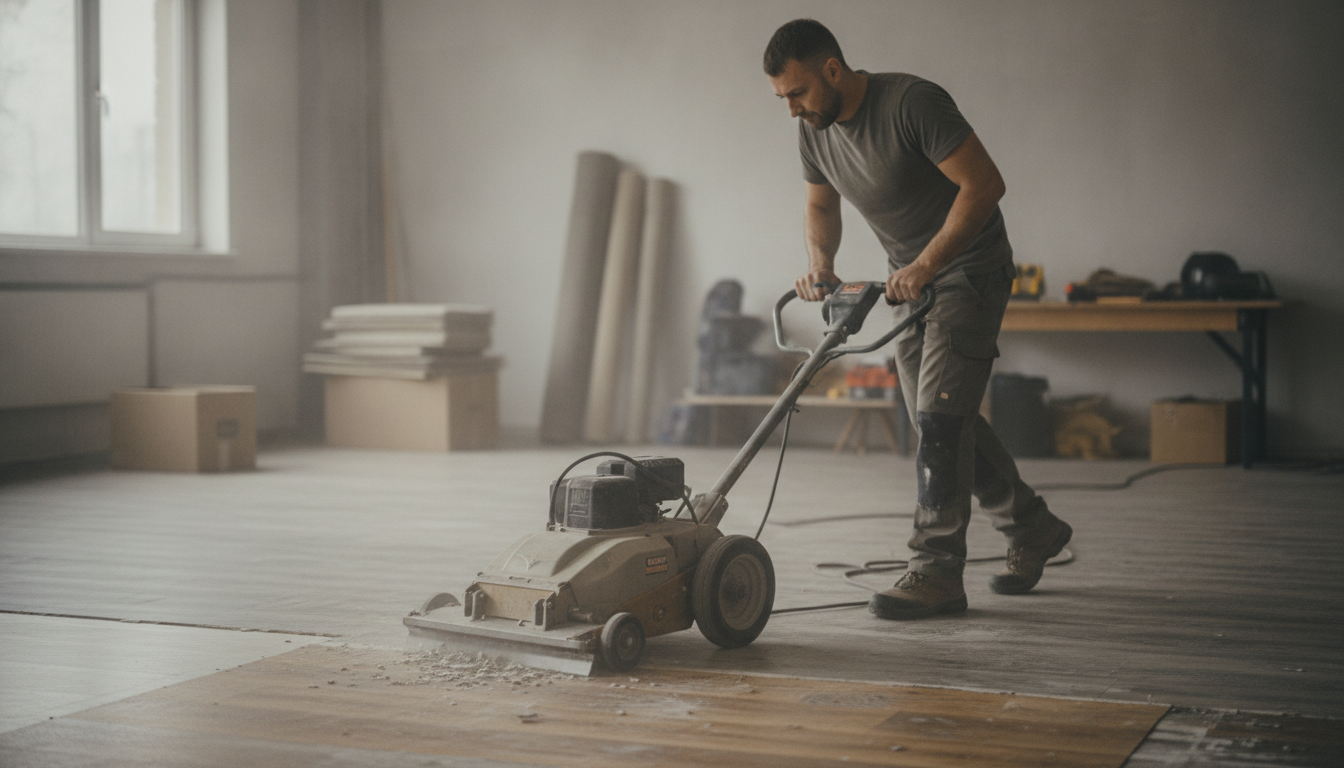
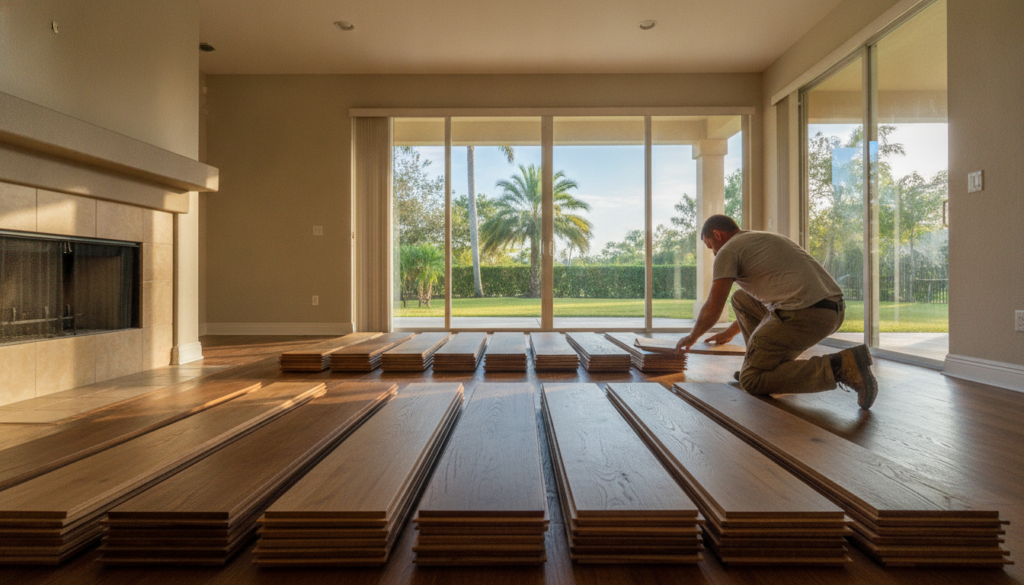
Humidity acclimation is critical here. Wood flooring needs to sit in the home for several days before installation so it adjusts to indoor conditions, preventing gaps or buckling later. Skipping this step is one of the most common — and costly — installation mistakes we see corrected on remodel jobs.
💡 Expert Insight: We always schedule a humidity check before hardwood delivery. It’s a small step that prevents a lot of callback headaches down the road.
How Elite Floor Crafters Helps You Choose Safely
Quick Answer: We help homeowners across Alachua, Marion, Lake, and Hernando counties compare real samples, verify certifications, and match material choices to each room’s humidity and traffic level. Our flooring services page outlines the full process.
A Real Client Scenario
A family in Gainesville recently came to us worried about allergies triggered by their old carpet’s synthetic backing. We walked them through solid hardwood for the living areas and porcelain tile for the kitchen, both verified low-VOC options, and paired adhesives that met the same standard. The result was a healthier home without compromising the design they wanted.
What to Ask Before You Sign a Contract
- Request the manufacturer’s spec sheet, not just marketing copy.
- Confirm certification labels (GreenGuard Gold, FloorScore) in writing.
- Ask what adhesive or underlayment will be used and whether it’s low-VOC.
- Get acclimation timing in the written installation schedule.
- Clarify warranty coverage for both material and installation labor.
⚠️ Common Mistake: Signing a contract before confirming adhesive and underlayment specs — these hidden layers are often where pollutants sneak in.
FAQ
Is plastic free flooring more expensive than vinyl?
Generally yes, upfront. Solid hardwood, tile, and stone cost more per square foot than standard vinyl, but they often last two to five times longer, which can lower the cost per year of ownership.
What is the healthiest flooring for a home with allergies?
Solid hardwood, tile, and stone are usually best because they don’t trap dust or allergens the way carpet fibers can. If carpet is required, natural wool with a low-VOC pad is a solid pollutant-free alternative.
Does plastic-free flooring mean zero VOCs?
Not automatically. The flooring material itself may be plastic-free, but adhesives, sealers, and finishes can still introduce VOCs, so it’s important to verify every layer of the installation, not just the surface.
Can plastic-free flooring handle Florida humidity?
Yes, with the right material and installation approach. Engineered hardwood, tile, and stone all perform well in Central Florida humidity when properly acclimated and sealed.
What certifications should I look for in VOC-free flooring trends?
Look for GreenGuard Gold and FloorScore certifications, which test for chemical emissions under standardized conditions. These labels are becoming more common as of 2026 as manufacturers respond to buyer demand.
Is cork considered plastic free flooring?
Yes, cork is harvested from tree bark and is naturally plastic-free, though some cork products include synthetic backing, so it’s worth confirming the full construction before buying.
Where can I see plastic free flooring samples in person?
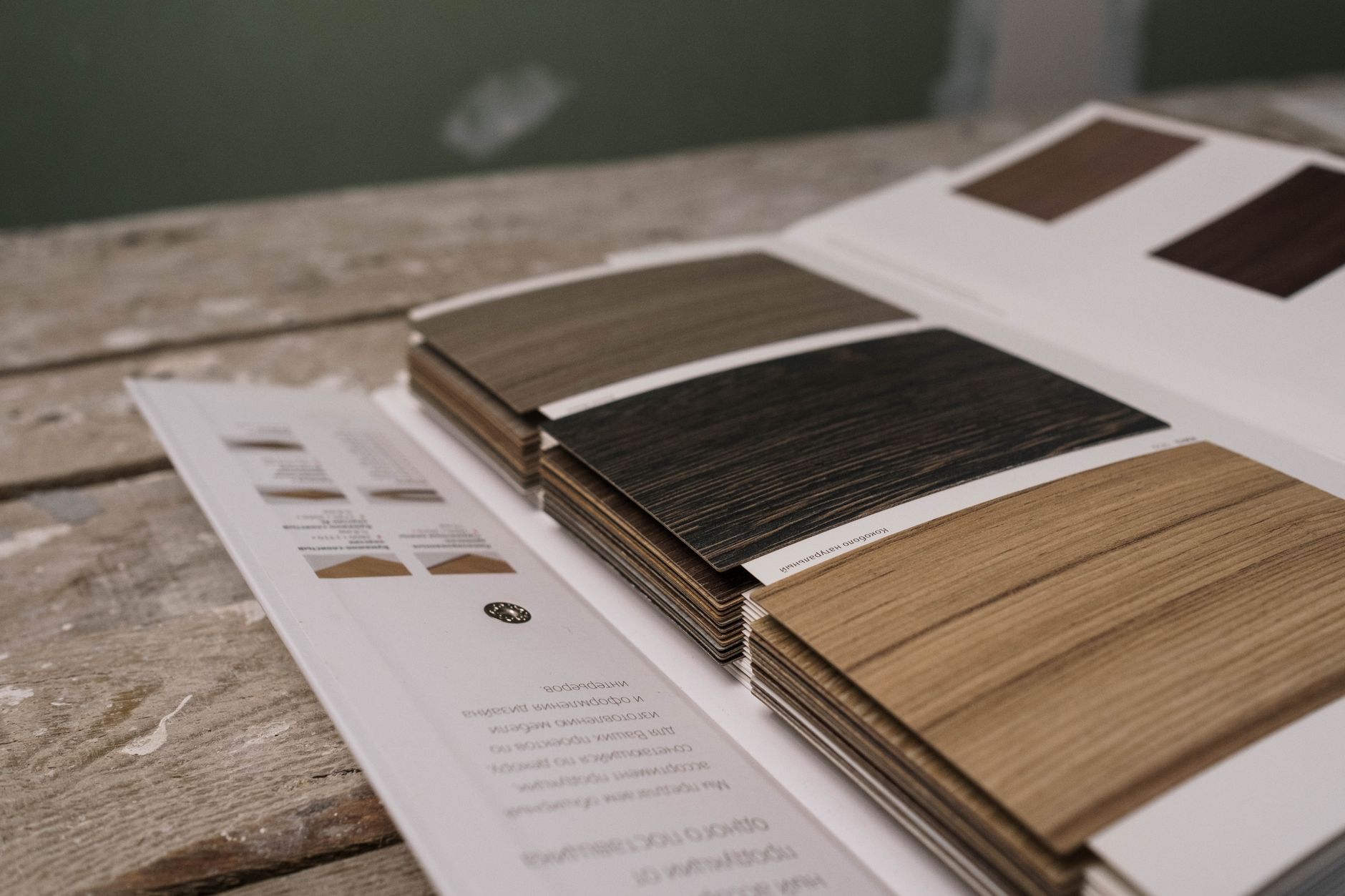
Homeowners throughout Ocala, The Villages, and Leesburg can view samples through our mobile showroom or in-home consultations, letting you compare materials in your own lighting before deciding.
Final Thoughts
Plastic free flooring isn’t just a trend — it’s a practical response to real questions about indoor air quality, durability, and long-term value. Solid hardwood, tile, stone, and natural fiber carpet each bring their own strengths, and the right pick depends on your home’s humidity, traffic, and design goals. As always, the details in the adhesive and underlayment matter just as much as the flooring surface itself. We’ve seen firsthand how the right combination transforms both air quality and everyday comfort for families across our Florida service area.
- List the rooms you’re updating and their moisture exposure.
- Research GreenGuard Gold or FloorScore certified products in your style.
- Request spec sheets and ask about adhesive VOC levels.
- Schedule an in-home consultation to compare real samples.
- Get a written quote with acclimation timing included.
Ready to explore healthier, longer-lasting flooring for your home? Request your free quote from Elite Floor Crafters today and let’s find the right plastic-free fit for your space.