Shower Door Installation

in Central Florida.

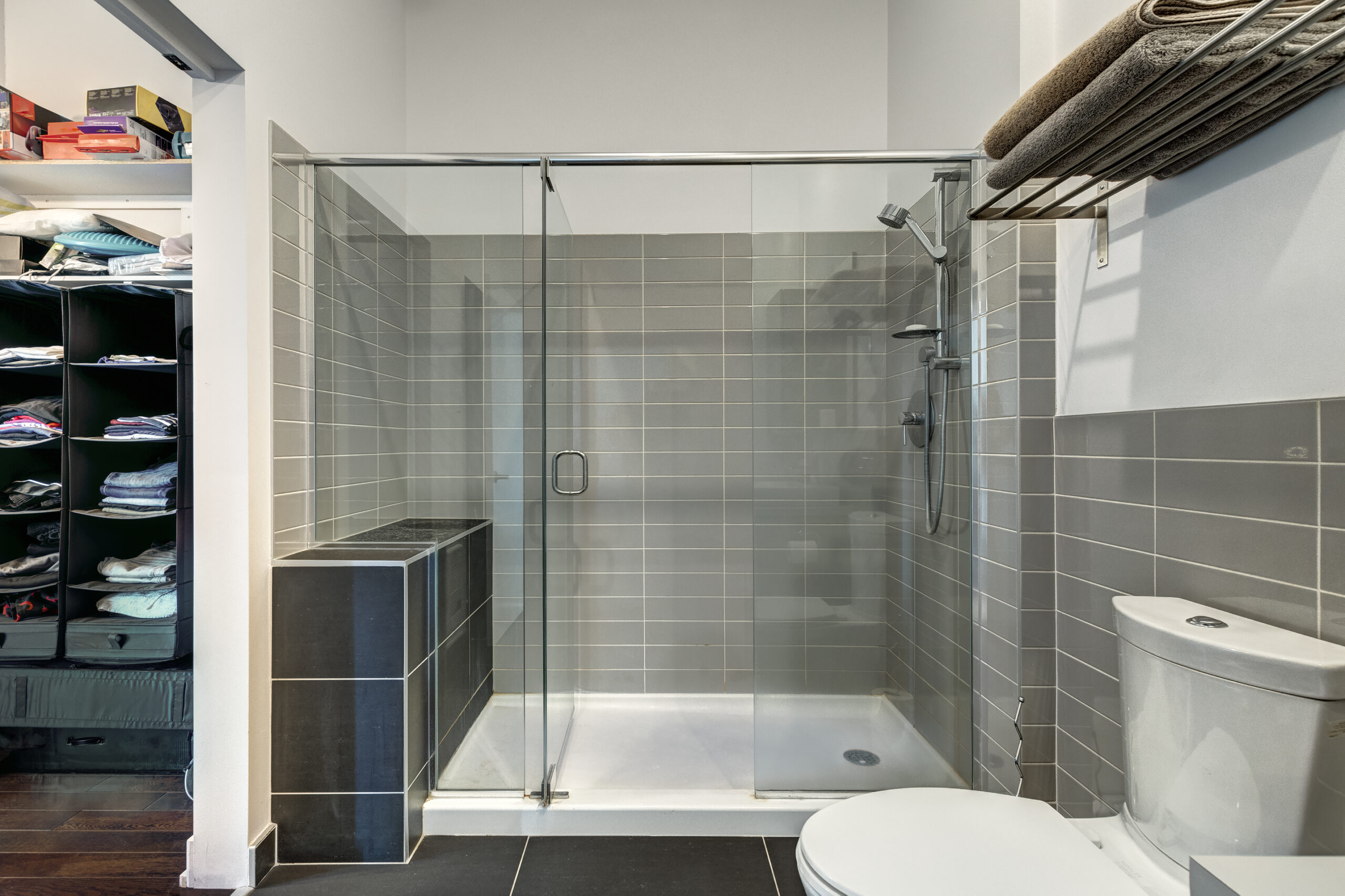
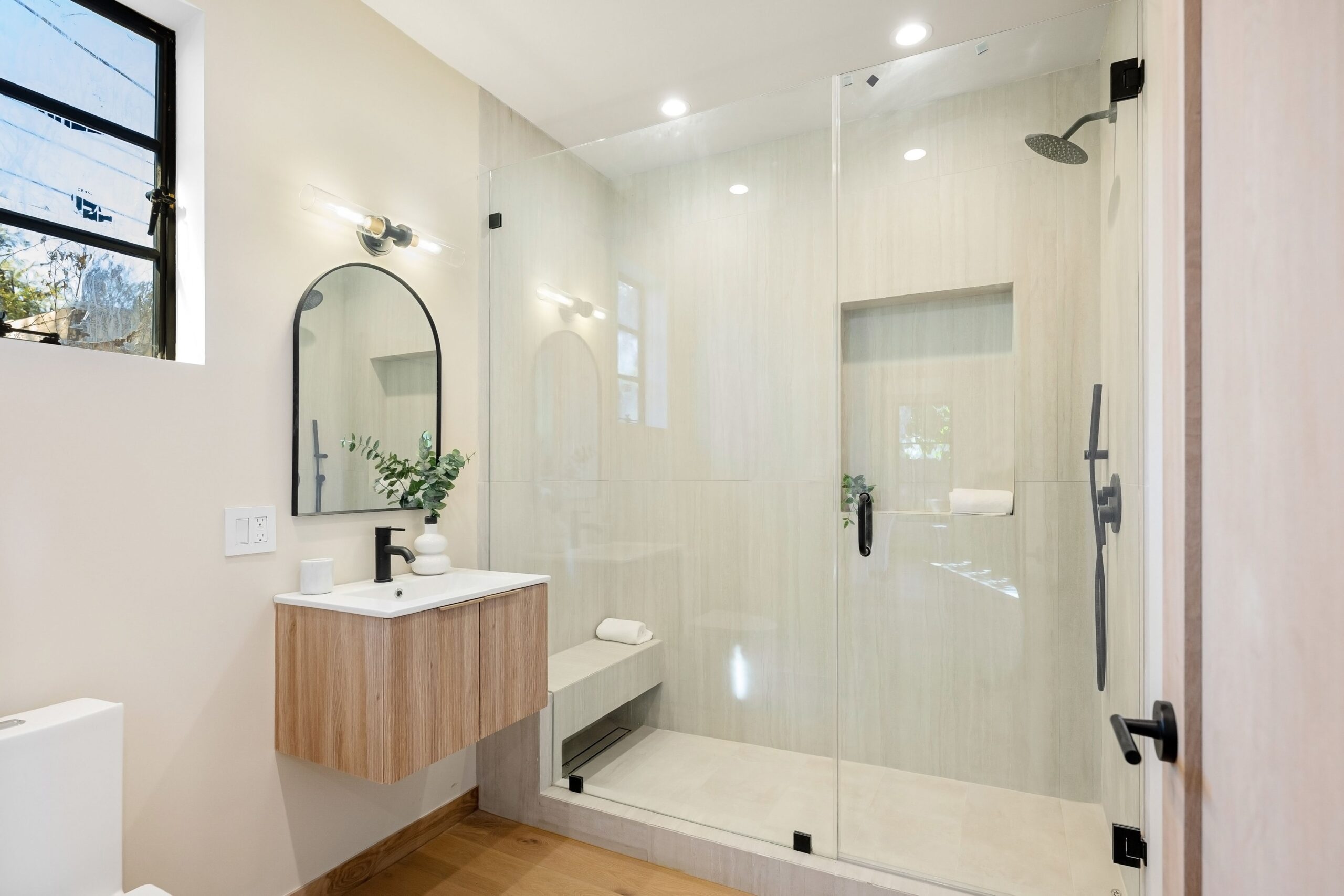
The shower door is the last decision in a bathroom remodel and the one that determines how the tile work reads from across the room. A frameless glass enclosure opens the shower to view, makes the tile the subject, and makes the bathroom feel larger than it is. An old framed track door contradicts every other improvement made to the space. Joshua coordinates shower door selection and installation as part of the full bathroom remodeling scope so the glass and the tile are specified together.

The Shower Door Is What You See First When You Enter the Bathroom.

A bathroom can have new tile from floor to ceiling, a fresh vanity, and updated fixtures, and a framed aluminum track shower door still makes the room look dated from the moment you open the bathroom door. The shower enclosure is the largest vertical plane in most bathrooms and the first thing the eye registers from the entry. It sets the expectation for everything else in the room.

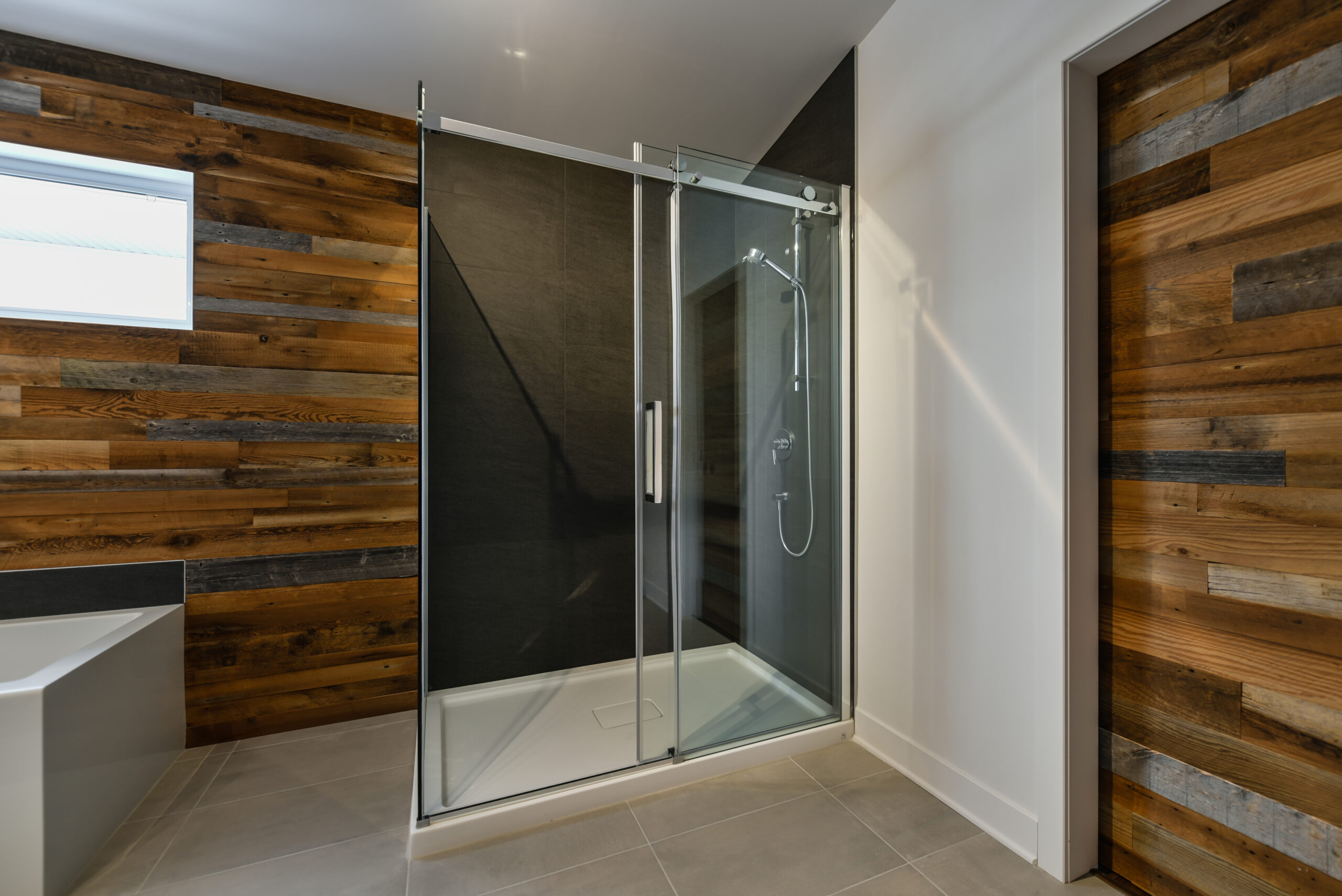
Frameless glass has become the standard enclosure for custom tile showers in Central Florida for this reason. There is no aluminum frame competing for visual attention with the tile behind it. The glass recedes. The tile reads. The shower looks larger and more open than the same space enclosed in a framed system. And the hardware finish, chosen to coordinate with the faucet, the vanity fixtures, and the light fixtures, becomes a refined detail rather than a utilitarian necessity.

For homeowners who have a functioning shower with good tile but an old framed track door, replacing the door is often the single highest visual-impact-per-dollar improvement available in the bathroom. The tile was already there. The frameless glass reveals it.

Choosing the Right Shower Enclosure Type for Your Bathroom.

Shower enclosures range from framed aluminum track systems to frameless glass to open walk-in panels with no door at all. The right choice depends on the shower layout, the design direction of the bathroom, the presence of accessibility considerations, and the practical maintenance reality of Florida’s hard water.

Frameless GlassSemi-FramelessFramed / TrackGlass Panel (No Door)
Visual impactMaximum: glass appears to float; tile fully visible; contemporary standardHigh: minimal hardware visible; frame only at door perimeterModerate: aluminum track and frame visible on all sidesHigh: fully open look; no door; water management by design
Hardware finish optionsChrome, brushed nickel, matte black, brushed gold, oil-rubbed bronzeChrome, brushed nickel, matte black (fewer options than frameless)Chrome, brushed nickel most common; limited finish rangeN/A: hinges or fixed panel clips only; minimal hardware
Glass thickness3/8″ or 1/2″ tempered; heavier glass at wider spans1/4″ or 3/8″ tempered1/4″ tempered in track channel3/8″ or 1/2″ fixed tempered panel
Cleaning easeEasiest: no tracks or channels to collect residueGood: minimal track areaMost difficult: bottom track collects mineral deposits and soap scumEasiest: no track; squeegee only
Florida hard water notesApply glass coating; squeegee after each use; no bottom track to manageSame as frameless; slightly more frame surface to maintainBottom track is the primary hard water deposit collection point in Florida; requires weekly cleaningBest hard water performance: no channels, no tracks, simple squeegee
Best forMaster baths; custom tile showers; any installation where design quality mattersMid-range bathrooms; buyers who want a modern look at lower cost than full framelessSecondary baths; rental properties; budget renovationsWalk-in showers with adequate depth; contemporary open design; households that prefer no door

Joshua reviews the shower dimensions, layout, and design direction during the consultation and confirms the enclosure type that works correctly for the specific space before any glass is measured or ordered.

What a Quality Frameless Glass Shower Enclosure Requires.

Frameless glass installations involve more technical precision than framed systems because the glass carries its own weight without frame support, and the hardware must anchor into the tile and wall structure with enough stability to handle daily use without movement at the hinges or clips.

Glass Thickness and Tempering

Standard frameless shower doors use 3/8-inch tempered safety glass. Wider panels and taller enclosures specify 1/2-inch glass for additional rigidity and a more substantial feel. All shower glass is tempered, which means it fractures into small rounded fragments rather than sharp shards if broken. The glass is cut to precise dimensions after the shower installation is complete and the measurements are taken from the actual installed tile surface rather than from plan dimensions, which accounts for the out-of-plumb and out-of-square conditions common in real bathrooms.

Hardware Anchoring into Tile

Hinges, wall clips, and header bars anchor into the tile and the substrate behind it. The anchor points must hit solid blocking or framing to carry the load of the glass panel without the hardware pulling away from the wall over time. This is why shower door installation is coordinated with the tile installation: knowing where the door hinges will land allows blocking to be installed in the wall framing before the tile is set, so the anchors have solid backing rather than penetrating tile into hollow wall cavity.

Glass-to-Tile Seal

The perimeter seal between the glass edge and the tile at the curb or threshold is a bead of clear silicone applied after the glass is plumbed and the hardware is set. The silicone must be applied continuously without gaps and tooled flush so it does not collect water or mineral deposits along the seal line. In Florida’s hard water environment, a poorly applied perimeter seal becomes a mineral deposit accumulation point within months of installation.

Measurement and Custom Fabrication

Frameless glass for a shower enclosure is custom-cut to the exact dimensions of the installed shower. Measurement is taken from the finished tile surface after the tile installation is complete and fully cured, not from plan dimensions or prior to tile setting. The glass is then fabricated and delivered for installation. Standard lead time from measurement to installation is one to two weeks depending on the glass supplier.

Shower Door Hardware Finish: Part of the
Full Bathroom Finish Conversation.

Shower door hardware: the hinges, handle, clips, and any header bar, contributes to the finish picture of the full bathroom alongside the faucet, the vanity hardware, and the light fixtures. A brushed nickel shower door in a bathroom where everything else is matte black is not a fatal design problem. It is an avoidable one when all the hardware decisions are made in the same conversation.

Joshua addresses hardware finish coordination during the bathroom remodeling consultation so the shower door hardware is selected alongside the vanity fixtures and faucet rather than as a separate decision made later by a glass installer who has not seen the rest of the bathroom’s finish direction.

Hardware FinishCoordinates WithFlorida Durability Notes
Brushed NickelWhite, gray, and transitional tile directions. The most versatile and widely specified finish for Central Florida master baths.Excellent corrosion resistance. Low maintenance in Florida humidity. Hides water spots better than polished finishes.
Matte BlackContemporary bathrooms with white or light gray tile. High contrast. Coordinates with matte black faucet and light fixtures.PVD coating required for Florida humidity resistance. Confirm coating specification before ordering.
Polished ChromeTraditional and transitional bathrooms. Classic finish standard.Shows water spots and mineral deposits more than brushed finishes. Requires more frequent wiping in Florida hard water areas.
Brushed Gold / BrassTransitional and warm-toned bathrooms. Cream, beige, and warm white tile directions. Growing rapidly in Central Florida remodels.PVD-coated brass has excellent Florida durability. Unlacquered living brass develops patina. Confirm finish type before ordering.
Oil-Rubbed BronzeTraditional bathrooms with warm earth-tone tile. Darker, richer character.Living finish: develops variation with use and humidity exposure. Good Florida durability in PVD-coated form.

What Central Florida's Hard Water Does to
Shower Glass and How to Manage It.

Central Florida’s municipal and well water is consistently high in calcium and magnesium mineral content. On shower glass, hard water leaves white calcium deposits that accumulate with each shower, become progressively harder to remove as they build up, and eventually etch into the glass surface permanently if left unaddressed for extended periods. This is the primary maintenance reality of shower glass in this market, and the enclosure type and glass coating decision affects how significant the ongoing maintenance burden is.

The Squeegee Habit

The most effective shower glass maintenance practice in Florida is the simplest: squeegee the glass after every shower. A 30-second squeegee wipe removes the water and dissolved minerals before they can dry on the glass surface. Homes where this habit is established consistently have cleaner shower glass than homes that apply cleaning chemicals weekly but do not squeegee. The squeegee is more effective than any cleaning product at preventing buildup.

Glass Coating Options

Hydrophobic glass coatings (sold under product names like Rain-X, EnduroShield, and similar) can be applied to shower glass to create a surface that causes water to bead and run off rather than sheet and dry. On coated glass in a Florida bathroom, the squeegee habit is even more effective and the mineral deposit buildup rate is significantly slower. The coating must be reapplied periodically, typically annually, to maintain effectiveness. Joshua can discuss glass coating options during the consultation.

Enclosure Design and Hard Water

Frameless glass has the lowest hard water maintenance burden of any shower enclosure type because there are no aluminum tracks, frame channels, or hardware recesses where mineral-laden water collects and dries. The framed track system’s bottom channel is the most significant hard water accumulation point in a shower enclosure and the most difficult to clean effectively. Frameless glass eliminates that problem entirely. For Florida homeowners concerned about glass maintenance, the open-panel no-door configuration eliminates most glass maintenance entirely.

Why the Shower Door Decision Belongs in the Tile Conversation, Not After It.

Most shower door problems, a door that swings into a space it should not because the opening position was not planned, hardware that anchors into hollow tile with no backing behind it, a glass panel that does not plumb correctly because the tile installation was not evaluated before glass was ordered, trace back to a sequence problem: the door was specified after the tile was installed rather than as part of the same project conversation.

When Joshua installs a custom tile shower and coordinates the glass enclosure, the door opening position is planned before the first tile is set. The wall blocking for hinge anchors is installed before the backerboard goes on. The threshold or curb height is built to accommodate the specific door system being installed. The tile layout is planned around the door opening width so the cut tiles at the door jamb are symmetrical. These are all decisions that cost nothing to get right at the beginning and are expensive to correct after the tile is in.

For homeowners replacing a door in an existing shower without tile work, Joshua evaluates the existing anchor points, the substrate behind the current hardware locations, and the condition of the existing tile at the hinge and handle positions before specifying the replacement system.
Shower Door
Shower Door
Shower Door

A Door Decision That Is Made Before the Tile Goes In.

The glass company that measures your shower after the tile is done is working with whatever the tile installer left them. If the hinge anchors do not have blocking behind them, the glass installer makes it work anyway, typically with longer fasteners that may or may not find solid backing. If the opening width was not planned for the door system being installed, adjustments are made. The result usually works, but it is not the result of a coordinated project. It is an improvisation on top of a sequence that was not planned correctly.

Joshua’s approach puts the door conversation at the beginning of the project, not at the end. The glass type, the hardware finish, the opening position, the blocking requirements, and the threshold or curb height are all confirmed at the consultation and built into the tile installation. The glass is measured from the finished tile surface after installation and fabricated to the actual dimensions of the installed shower. The result is an enclosure that fits the space correctly because the space was built around it.

The Glass That Makes the Tile. Specified Together From the Start.

Joshua coordinates the shower door selection as part of the full bathroom remodeling scope so the glass, hardware finish, and tile are all specified in the same conversation. New shower project or existing shower door replacement: the consultation is free and the quote is complete before any commitment is made.

Shower Door
SERVICE AREA

Shower Door Installation Across Central Florida.

Elite Floor Crafters installs and coordinates shower door and glass enclosure installation throughout Ocala, Gainesville, The Villages, Citrus County, and surrounding Central Florida communities. Available as part of a full bathroom remodeling project or as a standalone shower door replacement for existing showers.

Call or text 352-520-9400 to schedule your free in-home consultation.

FAQs

Frequently Asked Questions About Shower Door Installation

What is the difference between a frameless and semi-frameless shower door?

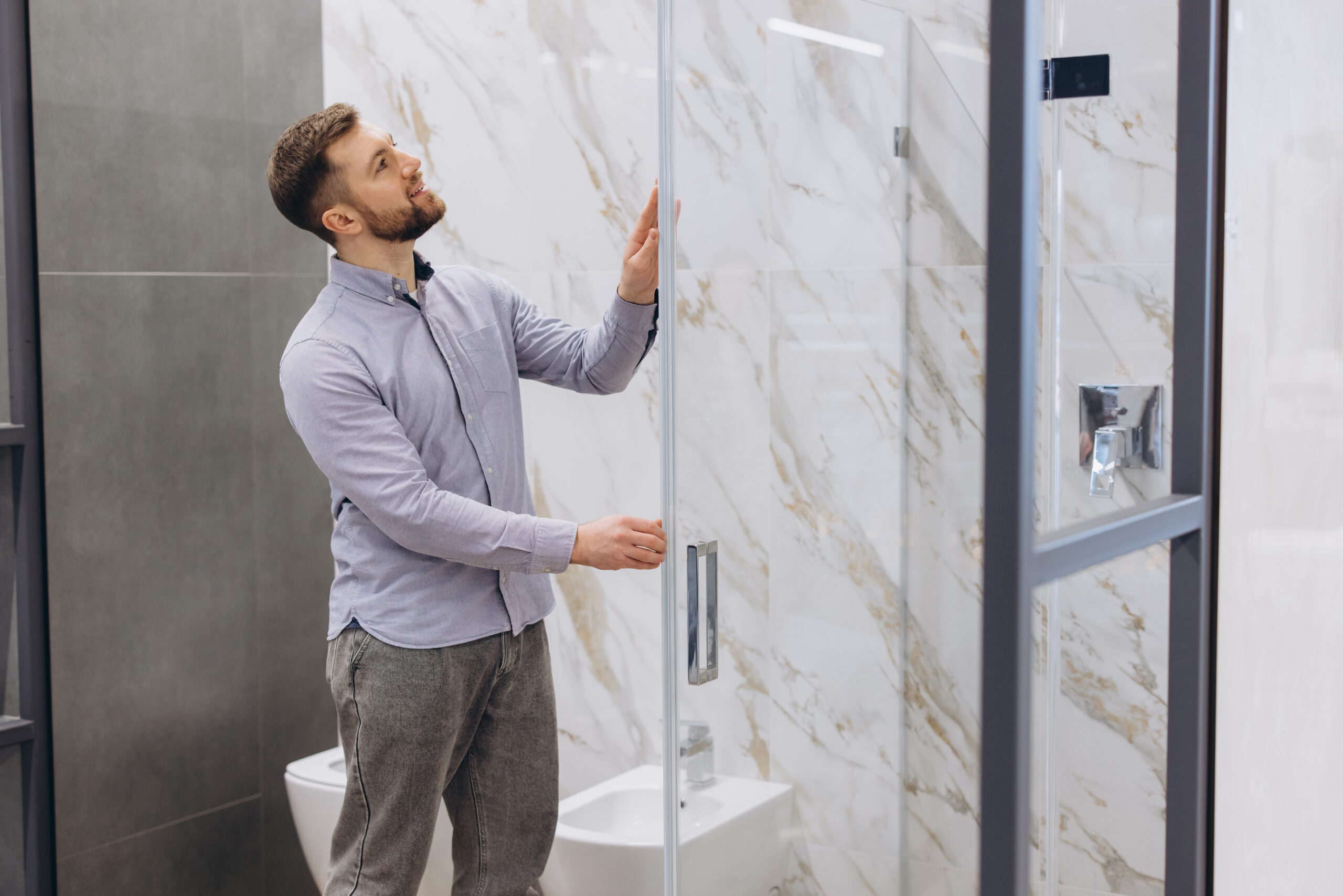
A frameless shower door uses thick tempered glass (3/8″ or 1/2″) with minimal hardware: hinges, handle, and clips at fixed points. No aluminum frame surrounds the glass. A semi-frameless door has a frame around the door panel but not around the fixed glass panels of the enclosure. Frameless glass has the cleaner visual appearance and is easier to maintain because there are no frame channels to collect mineral deposits.

Frameless glass is custom-cut to the exact dimensions of the installed shower after tile is complete and cured. From measurement to installation is typically one to two weeks depending on the glass fabricator’s lead time. The installation itself takes three to six hours for a standard frameless door or enclosure. Door replacement in an existing shower without tile work can often be completed more quickly once the glass is fabricated.

Yes, in most cases. The existing framed door is removed and the new frameless glass is cut to the dimensions of the existing opening. The hinge and hardware anchor points must hit solid backing behind the tile. Joshua evaluates the existing substrate at the hardware anchor locations during the consultation and confirms whether the replacement requires any backing reinforcement before the new glass is ordered.

Frameless glass has the lowest hard water maintenance burden because there are no aluminum tracks or frame channels where mineral-laden water collects and dries. An open-panel walk-in shower with no door has the lowest maintenance of all. For any glass enclosure, apply a hydrophobic coating and squeegee the glass after every shower. The squeegee habit is more effective than any cleaning product at preventing hard water buildup in Florida.

Yes, if you want the optimal result. Knowing the door type and hardware system before tile installation allows blocking to be placed in the wall framing at the hinge anchor locations, the opening width to be planned into the tile layout, and the threshold height to be built for the specific door system. Door specification after tile installation works but involves improvisation on details that are much easier to handle correctly before the tile goes in.

The shower door hardware finish should be selected in coordination with the faucet finish, vanity hardware, and light fixture finish in the bathroom. Brushed nickel is the most versatile and widely specified finish in Central Florida master baths. Matte black is the strongest contemporary choice for white or light gray tile. Brushed gold is growing rapidly in transitional bathrooms. Joshua reviews all hardware selections together during the consultation to flag any finish conflicts.

Yes. All shower glass used in residential installations is tempered safety glass, which is heated and rapidly cooled during manufacturing to make it four to five times stronger than standard glass. Tempered glass, if it does break, fractures into small rounded fragments rather than sharp shards. The glass thickness used in frameless enclosures (3/8″ or 1/2″) provides substantial rigidity and impact resistance for normal shower use.