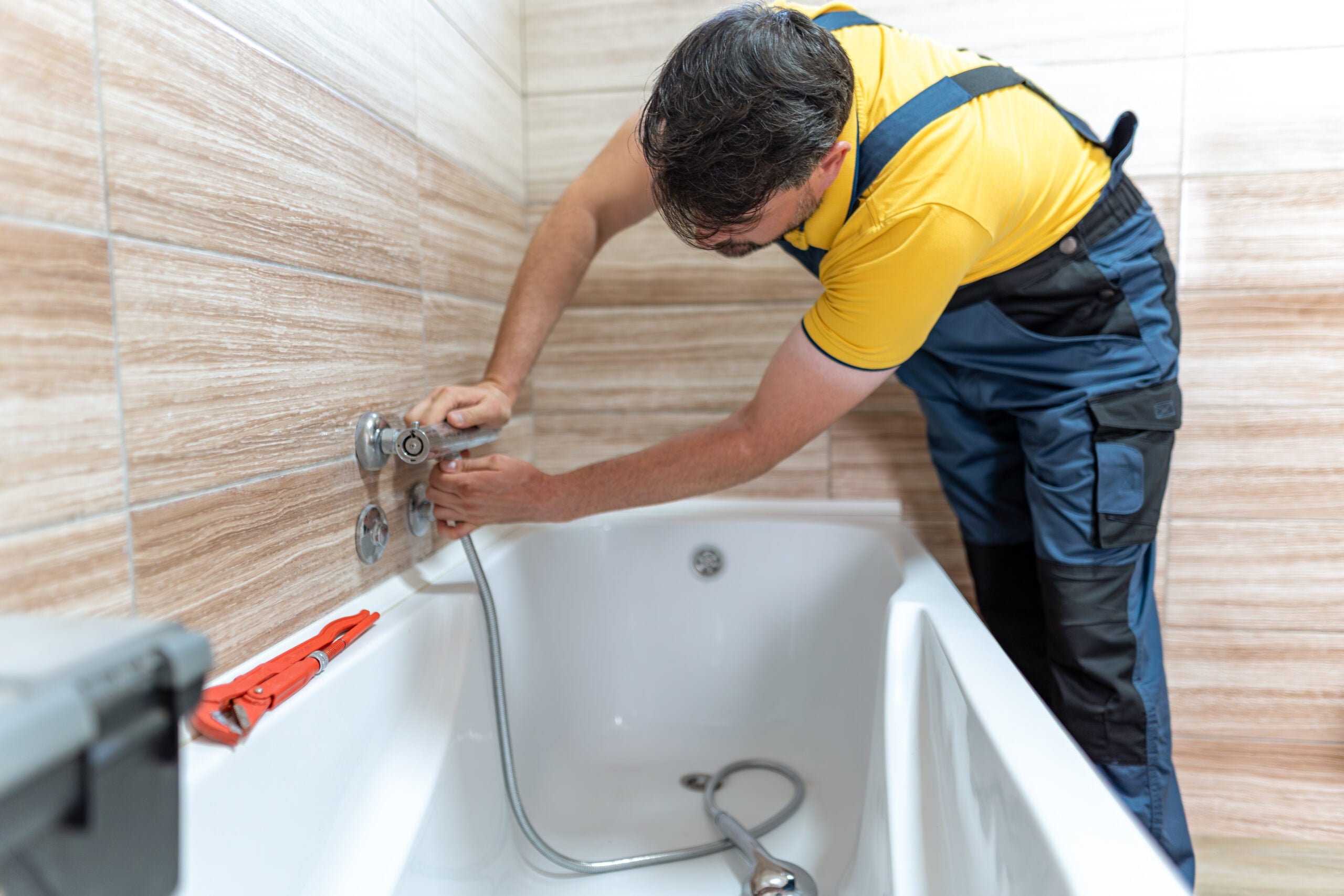
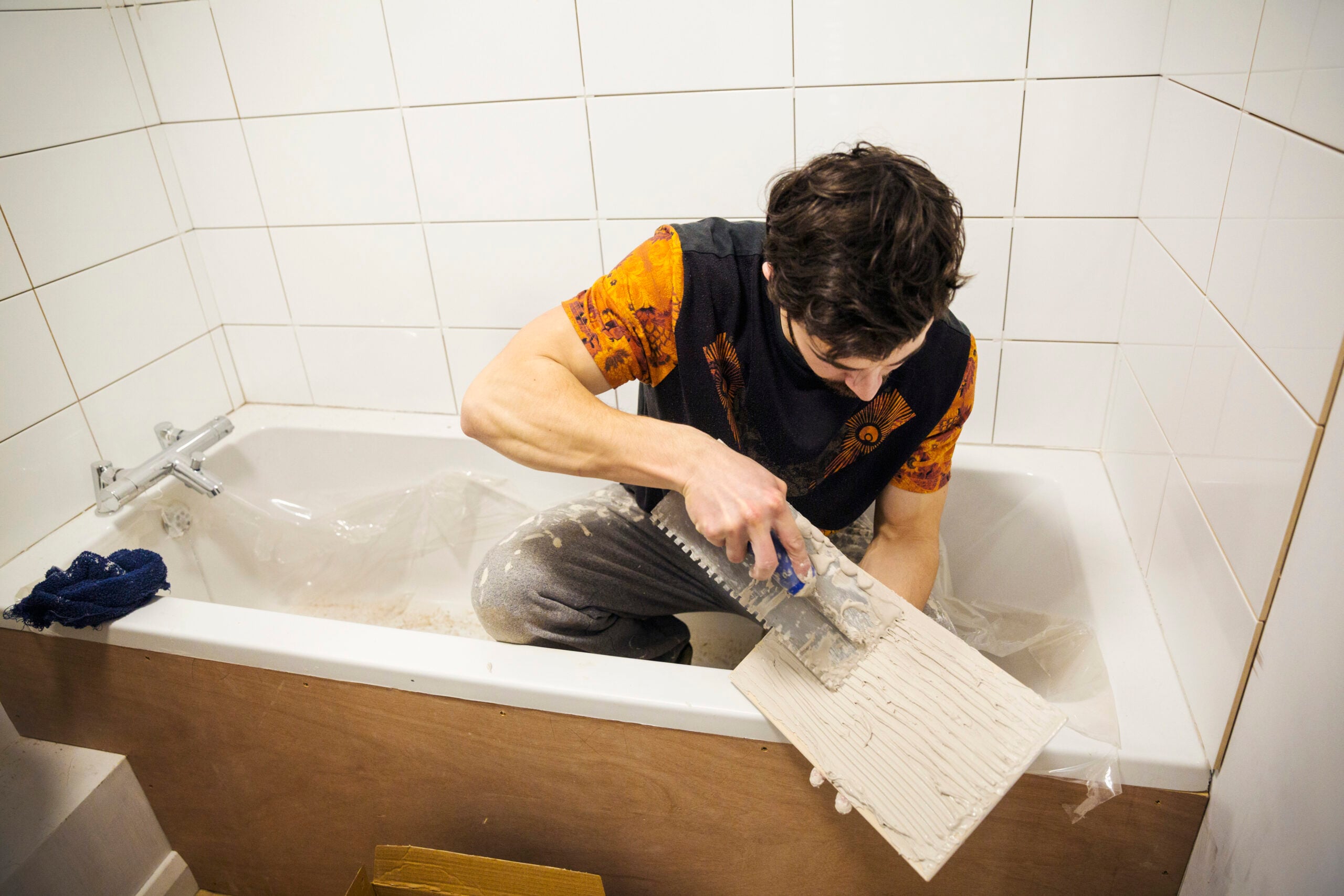
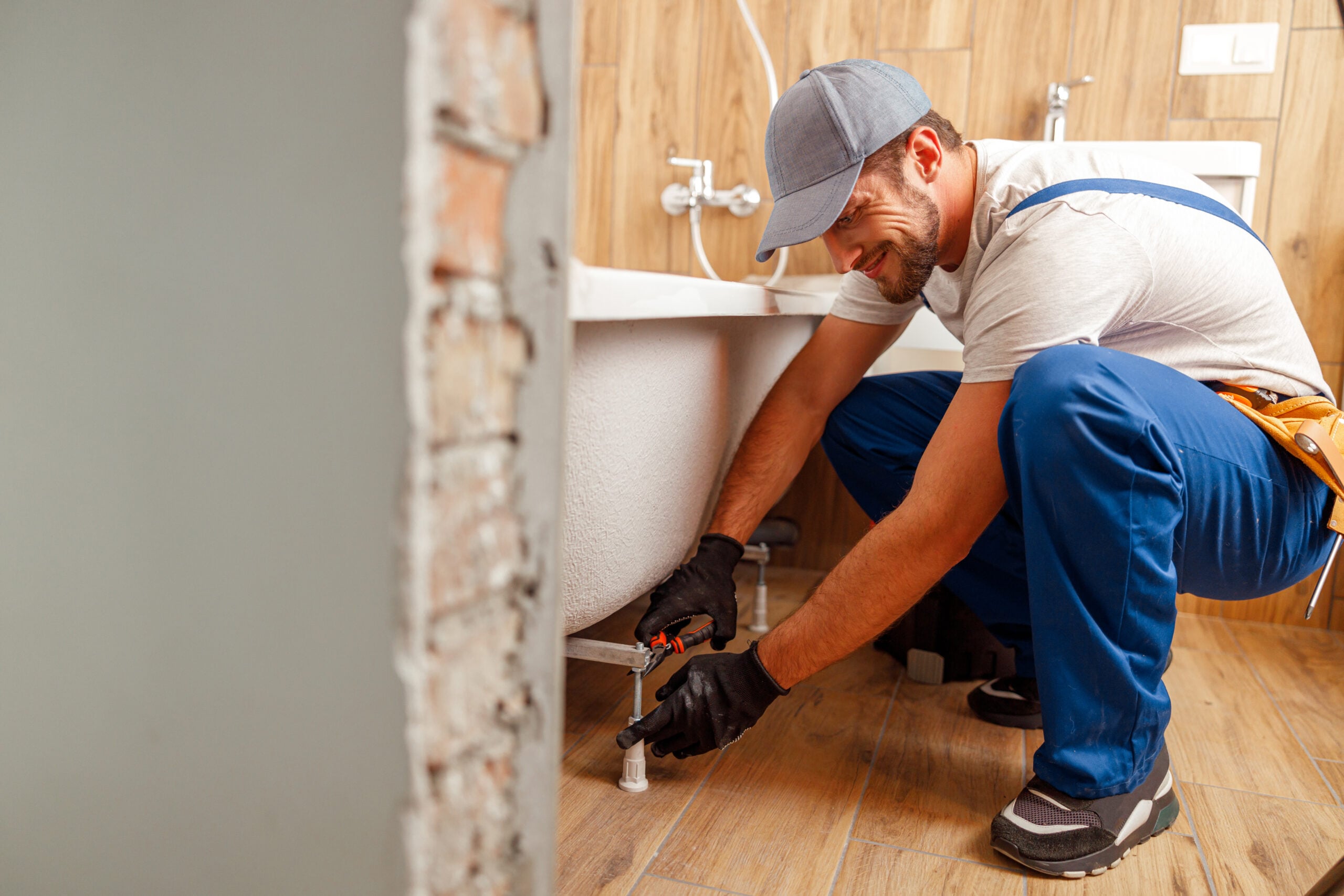
Bathtub Installation and Replacement

in Central Florida.

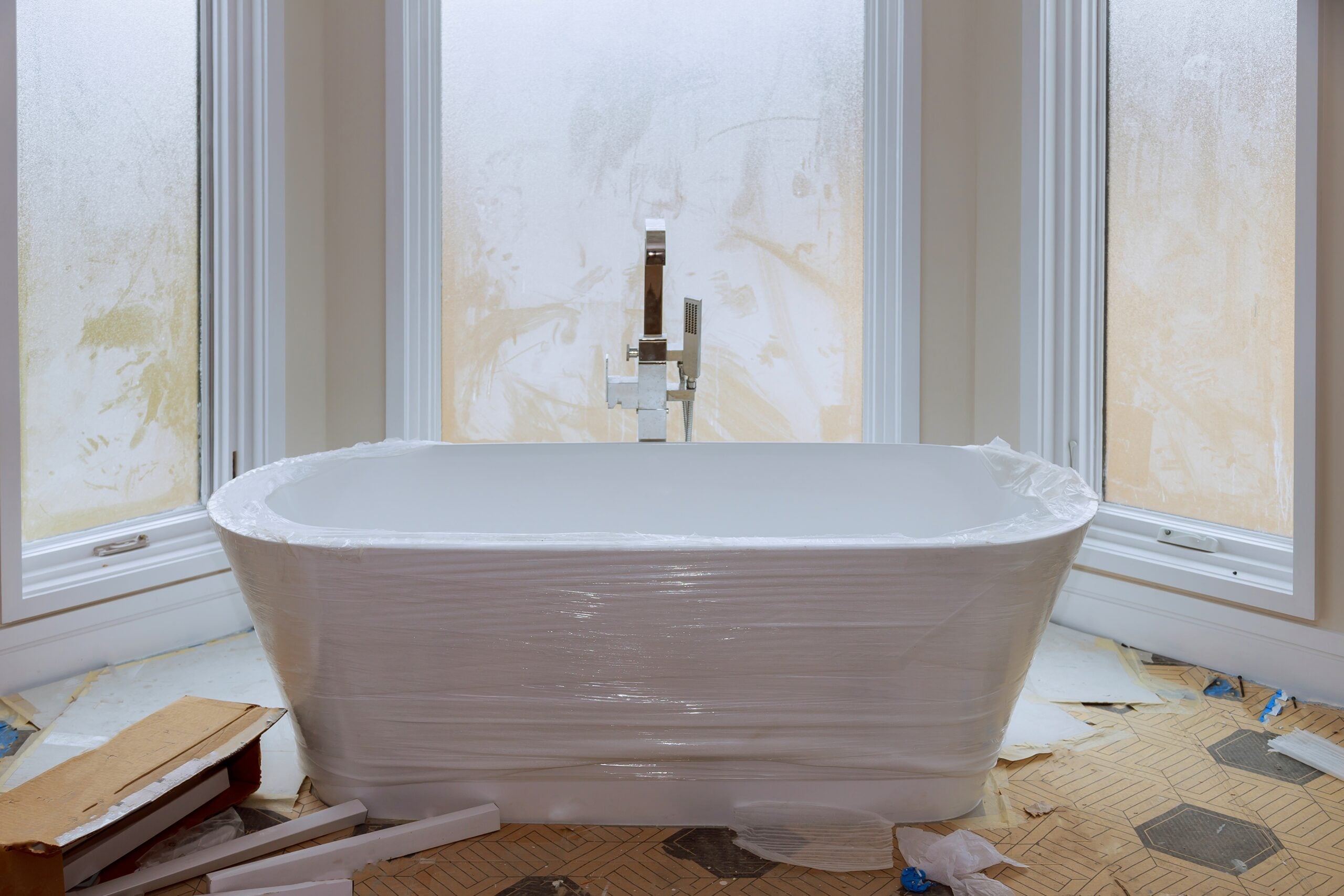
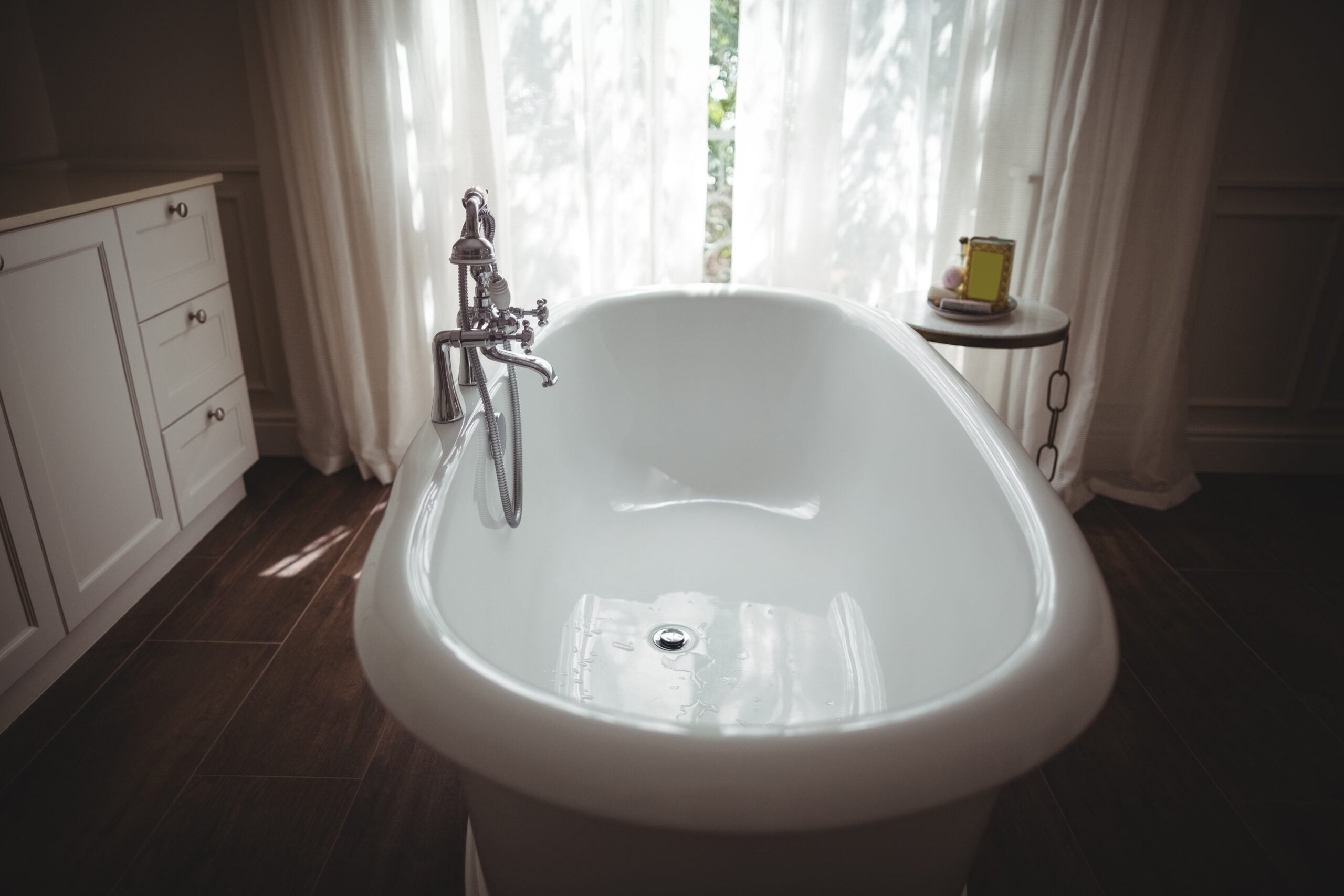
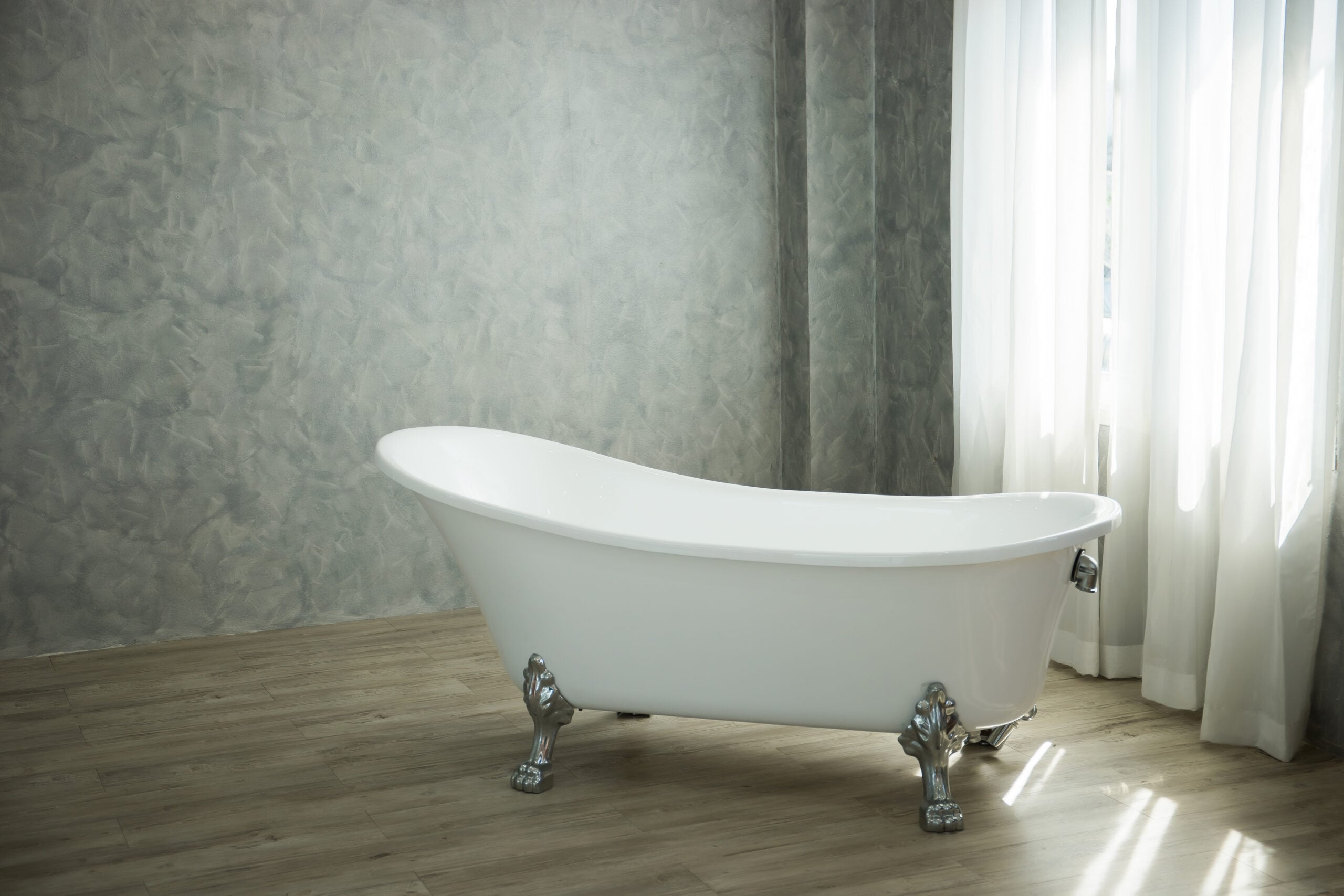
A freestanding soaking tub positioned on the right floor tile with a quality filler faucet in the correct finish transforms a master bath into a room with a reason to be in it. Whether you are replacing a worn builder alcove tub, upgrading to a freestanding soaking tub as the design centerpiece of a master bath renovation, or adding a tub to a bathroom that needs one for resale, Joshua coordinates the full installation including the surrounding tile work that makes the tub look like it belongs there.

Three Reasons a Central Florida Homeowner Is Looking for a New Bathtub.

Upgrading to a Freestanding Soaking Tub

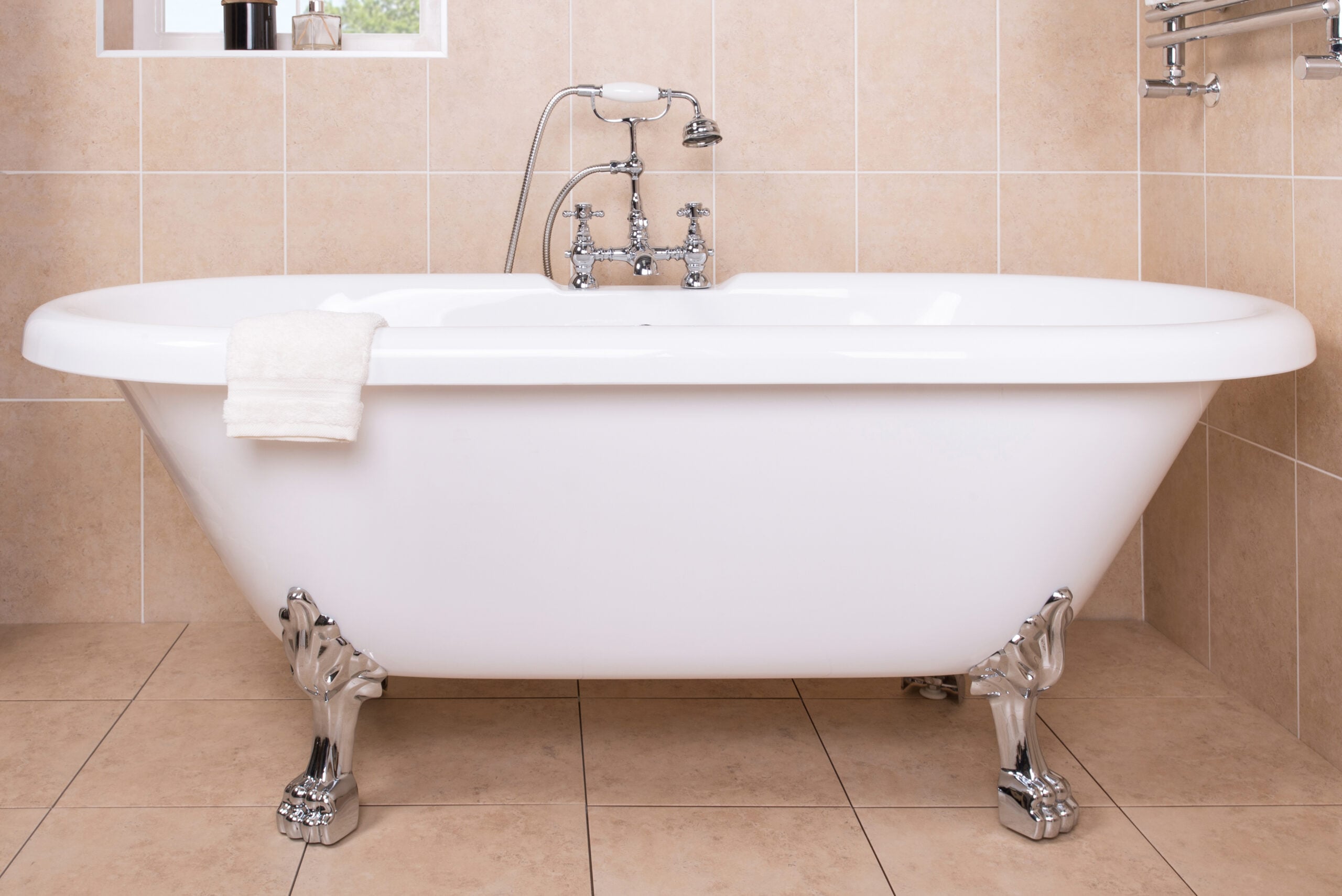
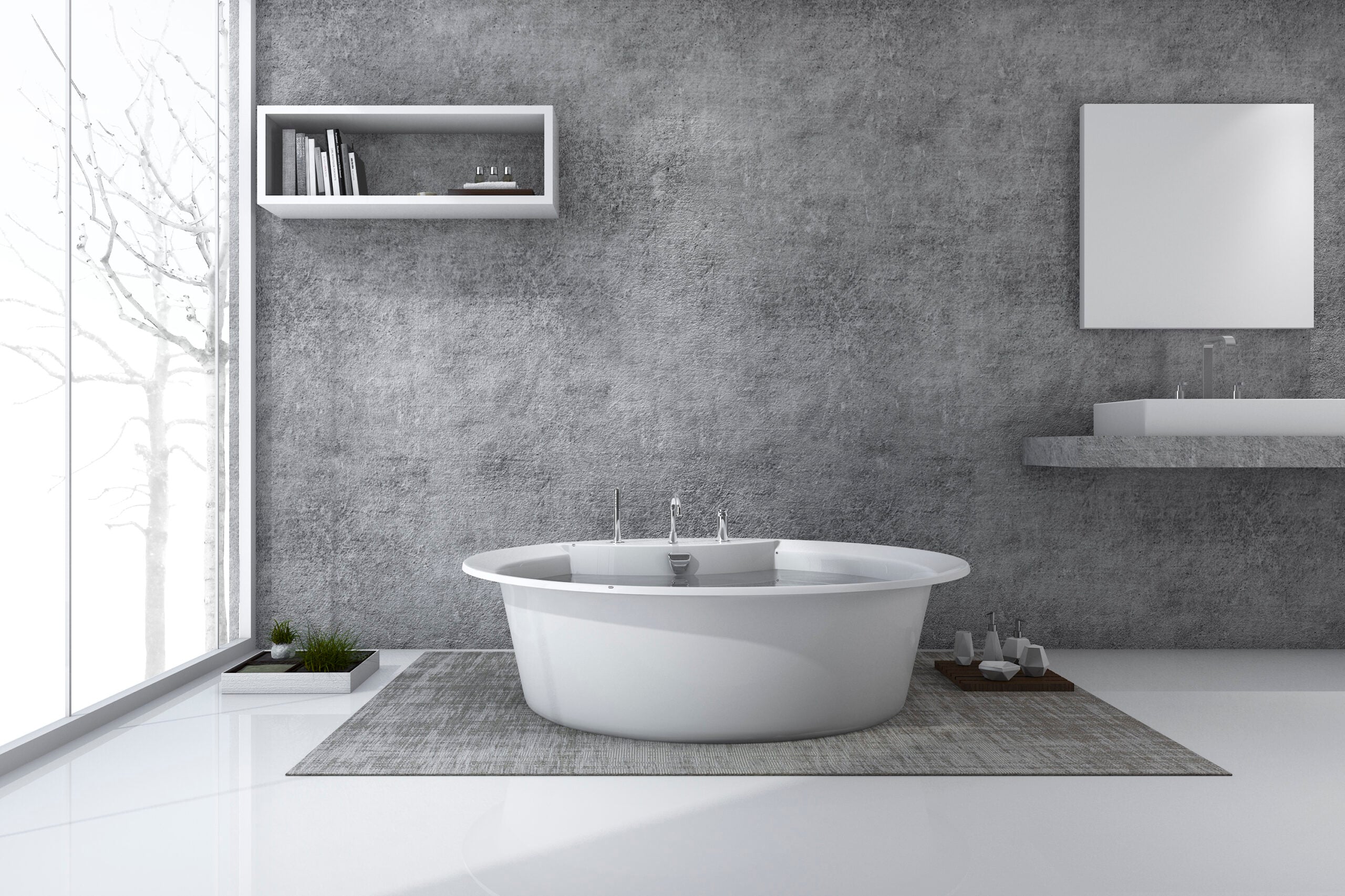
The freestanding soaking tub has become the signature luxury element in Central Florida master bath renovations. Positioned on quality floor tile with a freestanding filler faucet in a finish that coordinates with the vanity and light fixtures, it transforms a master bath from a functional room into a space that justifies the renovation investment. If your master bath has room to show all four sides of a freestanding tub, and the floor structure can support the filled weight, this is the upgrade with the highest per-dollar design impact in the bathroom.

Replacing a Worn or Dated Builder Tub

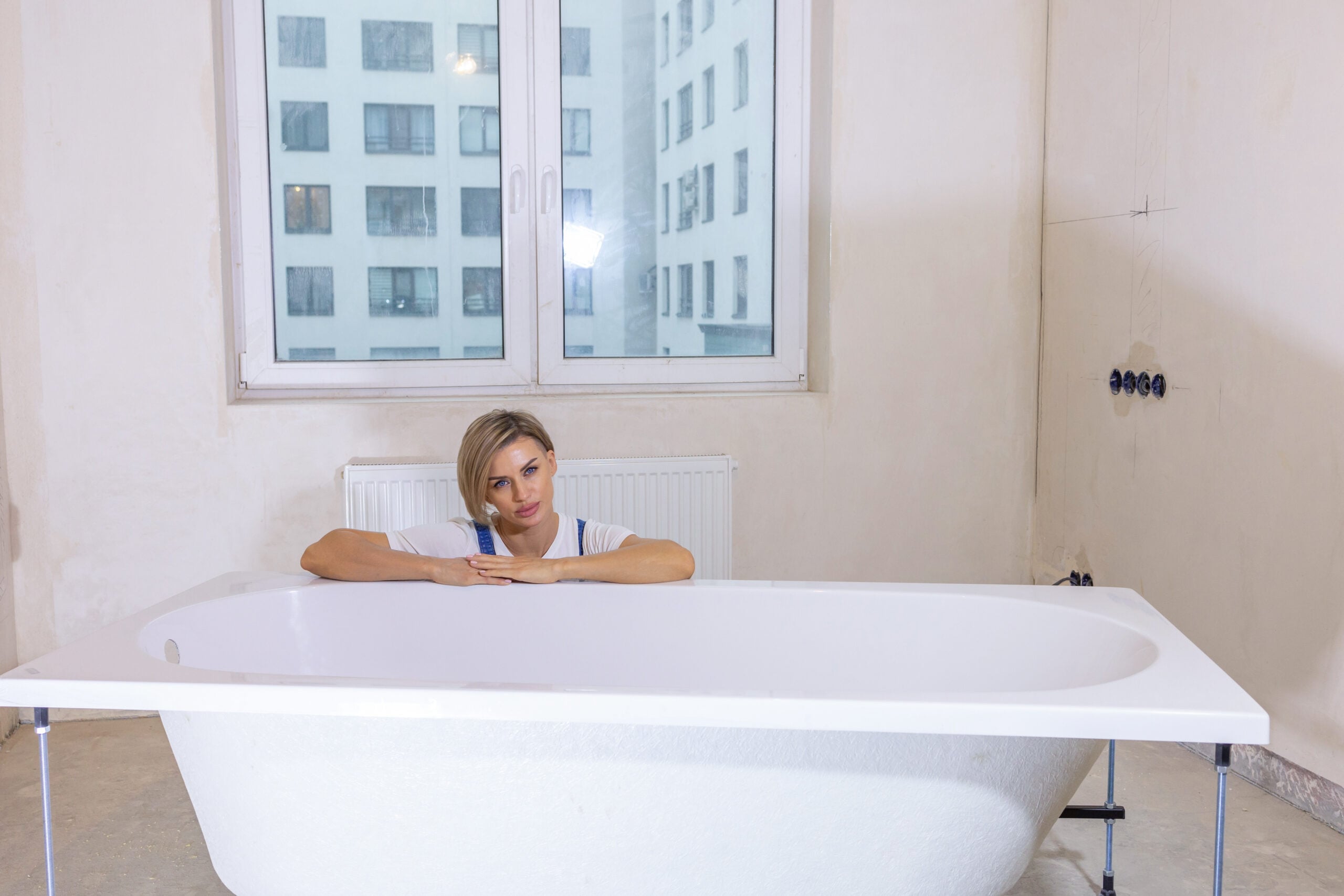
Most Central Florida homes built before 2010 have an acrylic alcove tub in the master bath that was selected from a builder’s standard package rather than for the household’s actual preferences. After fifteen years of use, these tubs show surface oxidation, staining around the drain, chips in the acrylic finish, and a general appearance that undermines every other improvement made to the bathroom. A new tub paired with an updated tile surround is one of the clearest bang-for-dollar improvements in a bathroom renovation budget.

Adding a Tub for Resale Purposes

A master bath without a tub limits the buyer pool in some segments of the Central Florida market, particularly for families with young children. If the master bath has been converted to a shower-only configuration and the home is approaching a sale, adding or restoring a tub addresses that buyer concern. Joshua evaluates the space, the plumbing rough-in location, and the format that makes most sense for the specific bathroom layout and budget.

Choosing the Right Tub Type for
Your Bathroom and Your Life.

The four primary bathtub formats each have distinct installation requirements, floor space implications, plumbing coordination needs, and design characteristics. The right choice depends on the bathroom layout, the available floor space, the design direction of the master bath renovation, and how the tub will actually be used.

 Freestanding SoakingDrop-In / PlatformAlcove (3-Wall)Whirlpool / Air Tub
Visual characterDramatic centerpiece; 360-degree visibility; spa aesthetic; the luxury standard in Central Florida master bathsClean platform integration; tile surround becomes the design statement; contemporary or traditional directionsEfficient; fits standard alcove footprint; best where space is limitedFunctional feature; can be drop-in or alcove format; mechanical system visible only at jets
Floor tile interactionFloor tile is fully visible around the tub; the tile pattern around a freestanding tub is a primary design elementPlatform is tiled to match or complement the floor; tile surround is the design canvasThree walls tiled; floor tile terminates at tub apronSame as drop-in or alcove depending on format chosen
Floor structure requirementsEvaluate floor framing for filled weight: stone resin and cast iron tubs filled with water can exceed 600 lbs at a single pointWeight distributed across platform; standard floor framing typically adequateStandard floor framing adequate for acrylic alcove tubsSame as format chosen; mechanical access panel required in adjacent wall or floor
Plumbing requirementsFreestanding filler faucet or floor-mounted supply; requires floor penetration for supply and drain rough-in at tub center positionDeck-mounted faucet on platform; standard supply and drain rough-inStandard alcove rough-in at one end; tub/shower diverter or separate valveDedicated electrical circuit required for motor; GFCI required; plumbing same as format chosen
Florida climate notesStone resin and acrylic retain heat adequately in Florida’s climate; cast iron retains heat longest but requires floor evaluationStandard performance across materials in Florida climateAcrylic is most common; minimal climate-specific considerationsWhirlpool jets accumulate biofilm in Florida’s humidity without regular purging; air tubs are easier to maintain in humid climates
Best forMaster bath design statement; open bathroom layouts with floor space to show all four sides; aspirational renovationBathrooms where the tile surround is the design focus; contemporary and transitional master bathsSecondary bathrooms; children’s baths; space-constrained layouts where a separate tub is required for resaleHouseholds with therapeutic use requirements; hot tub alternative within the bathroom footprint

Joshua discusses tub type selection during the consultation based on the actual dimensions and plumbing rough-in position of your bathroom, not on what photographs best in a showroom.

Bathtub Materials: What Each One Means
for Installation and Daily Use in Florida.

Bathtub material determines weight, heat retention, surface durability, and maintenance requirements. In Florida’s climate, UV exposure and cleaning chemical compatibility are the specific considerations that national guides tend to underaddress. The table below covers the four primary tub materials with Florida-specific notes for each.

MaterialPerformance and FeelWeight / Floor RequirementsFlorida Notes
AcrylicLightweight; warm to the touch; wide color and shape range; most common material for alcove and drop-in formatsLight: 60-100 lbs empty. Standard floor framing adequate.Good UV stability in Florida sun. Scratches more easily than other materials but can be polished.
Cast IronExceptional heat retention; extremely durable enamel surface; heavy and rigid; the original soaking tub materialVery heavy: 200-400 lbs empty. Floor framing evaluation required, especially in older Florida homes.Enamel surface highly resistant to Florida cleaning chemicals. Confirm floor structure before specifying.
Stone Resin / CompositeWarm to the touch; excellent heat retention; contemporary freestanding shapes; matte or polished exterior finishesHeavy: 150-350 lbs empty. Floor evaluation recommended for freestanding applications.Non-porous surface; excellent stain resistance in Florida conditions. Clean with non-abrasive products only.
FiberglassLightest material; budget-appropriate; less heat retention than other options; gel coat surface can dull over timeVery light: 40-80 lbs empty. No floor concerns.Florida UV can accelerate gel coat surface oxidation over time. Appropriate for secondary baths and rental properties.

The Tub Is Only Half the Installation.
The Tile Around It Is the Other Half.

A freestanding soaking tub on the wrong floor tile tells two different design stories simultaneously and neither one wins. The floor tile pattern, the grout color, the tile that runs up the wall behind the tub if there is a backsplash position, and the way the tile terminates at the tub base or platform edge are all design decisions that either reinforce the tub selection or contradict it.

Bathtub Installation and Replacement

A drop-in tub platform is a tile canvas. How that canvas is tiled, whether in a continuous extension of the floor tile or in a contrasting material that defines the platform as a distinct design element, determines whether the tub reads as a considered centerpiece or as a fixture dropped into a space that was not designed around it.

Joshua coordinates the tub selection and the surrounding tile work as a single project so both decisions are made in the same conversation, in your actual bathroom, with samples of both the tub material and the tile options visible together. The mobile showroom brings tile samples to the space where the tub will live so the floor tile selection is made in the correct light and scale.

Tile decisions that coordinate with every tub type:

  • Freestanding tub: floor tile format, pattern, and grout color visible around all four sides of the tub; tile termination at the tub base; any backsplash tile behind the tub position
  • Drop-in tub: platform tile in continuation of floor tile or contrasting material; tile surround on the three or four walls around the tub; tile edge treatment at the rim
  • Alcove tub: three-wall tile surround height and pattern; tile selection coordinating with floor tile visible at the tub end
  • All formats: tile selection made with the faucet finish visible so the grout color and tile tone relate correctly to the metal finish
What Joshua Evaluates Before Any Tub
Is Ordered or Any Work Begins.

A bathtub installation involves decisions and evaluations that happen before the first fixture is ordered. Getting them right at the beginning eliminates the problems that appear during or after installation.

Floor Structure Evaluation

Freestanding tubs in cast iron and stone resin materials filled with water can reach 600 pounds or more concentrated at the tub feet. Older Florida homes, particularly those built on wood-framed floors rather than concrete slab, may require floor joist reinforcement before a heavy freestanding tub can be safely installed. Joshua evaluates the floor structure beneath the planned tub position before any tub is specified. Acrylic tubs on concrete slab require no structural evaluation.

Plumbing Rough-In Position

The existing plumbing rough-in determines what tub formats are straightforward installations and which require drain relocation. A freestanding tub positioned in the center of a bathroom with floor-mounted supply requires a floor penetration at the tub’s center position that may not align with the existing drain location. Joshua evaluates the rough-in position during the consultation and confirms whether the planned tub placement is compatible with existing plumbing or whether drain relocation is required as part of the project scope.

Waterproofing at the Tub-Tile Junction

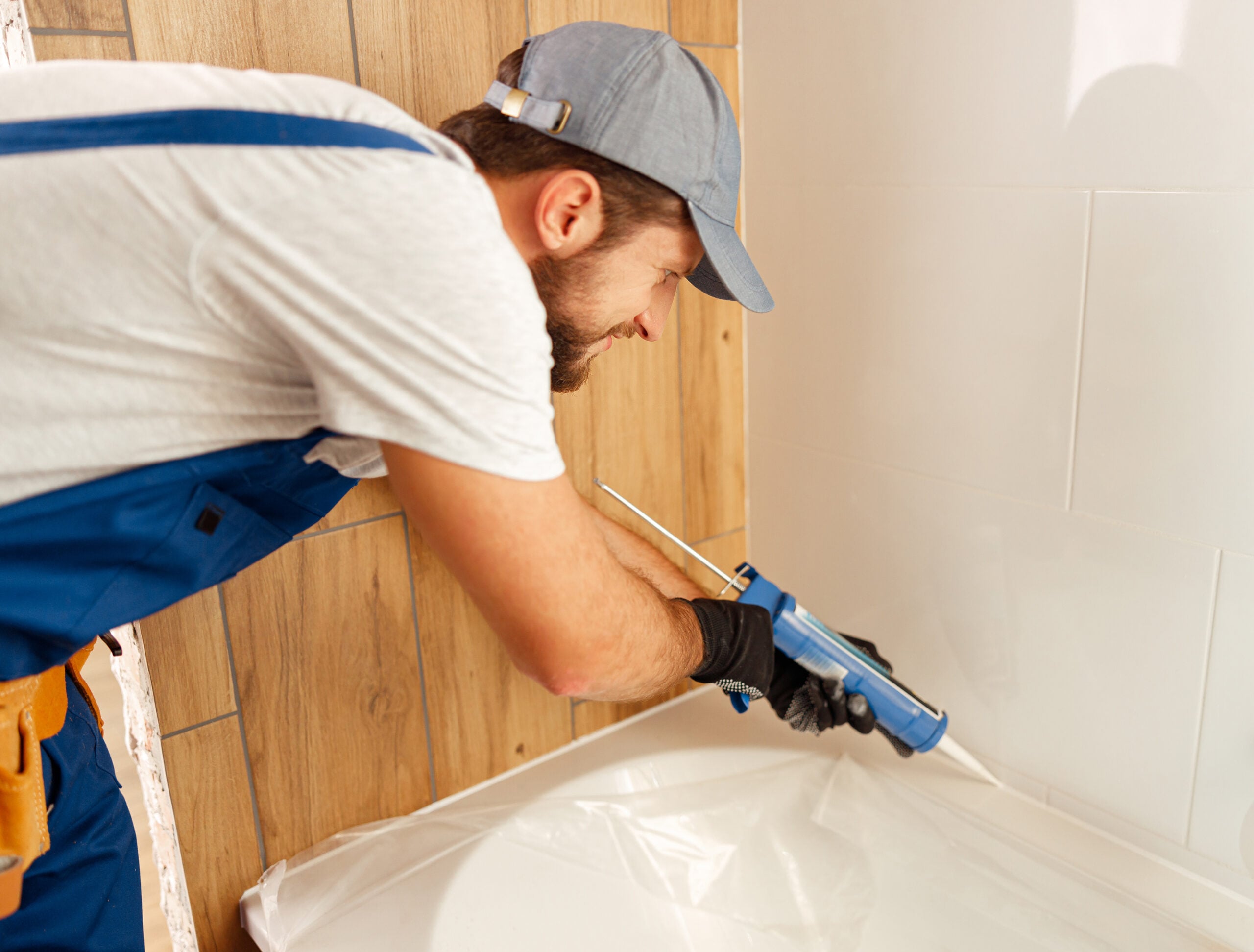
The joint where the bathtub rim meets the tile surround is a water management detail that many tub installations fail at. Caulk at this junction must be a flexible silicone sealant, not grout. Grout at the tub-to-tile joint cracks as the tub moves under load and temperature cycling, creating a gap where water enters the wall cavity behind the surround. Joshua specifies and applies flexible silicone at every tub-to-tile junction as a standard part of every tub surround installation.

Whirlpool and Air Tub Coordination

Whirlpool and air tubs require a dedicated GFCI-protected electrical circuit and an accessible mechanical panel in the adjacent wall or floor for the motor. Coordinate electrical requirements with a licensed electrician before any whirlpool or air tub is ordered. Joshua addresses electrical coordination during the consultation for any project involving a mechanically equipped tub.

Whirlpool Tubs and Florida Humidity: What the Sales Process Does Not Tell You.

Whirlpool jet systems accumulate biofilm inside the jet plumbing when the tub sits unused between uses, as they do in most master baths. In Florida’s ambient humidity, this biofilm develops faster than in dryer climates. When the jets are activated, the accumulated biofilm is expelled into the bath water. The solution is a regular jet purging routine using a dedicated whirlpool cleaner run through the empty tub monthly or more frequently. Households that commit to this maintenance routine have clean whirlpool systems. Those that do not are bathing in the accumulated biofilm.

Air tubs, which use air jets rather than water jets, do not have this problem. Air that passes through the jet system does not leave water standing in the plumbing between uses and does not accumulate biofilm. For Florida households that want hydrotherapy features without the whirlpool maintenance commitment, an air tub is the honest recommendation. Joshua discusses this distinction during the consultation for any project involving a mechanically equipped tub.

Bathtub Installation and Replacement
SERVICE AREA

The Tub and the Tile. Specified Together. Installed as One Project.

Most bathtub installations in Central Florida are coordinated between a plumber who sets the tub and a tile installer who does the surround. These are two separate scopes, two separate visits, and two separate sets of decisions that are rarely made in the same conversation. The tile installer who does the surround is working around whatever the plumber left rather than working from a design decision that incorporated the tub and the tile simultaneously.

Joshua coordinates the tub selection, the tile surround design, and the floor tile around the tub as a single project scope. The floor tile pattern is selected with the tub material visible so the two relate correctly. The platform or surround tile is chosen with the tub rim and faucet finish in the same frame. The tub-to-tile junction is waterproofed and sealed correctly because it is handled by the same person who installed the tile, not by a different trade who arrives afterward.

The result is a bathtub installation where the tub and the tile look like they were designed together, because they were.

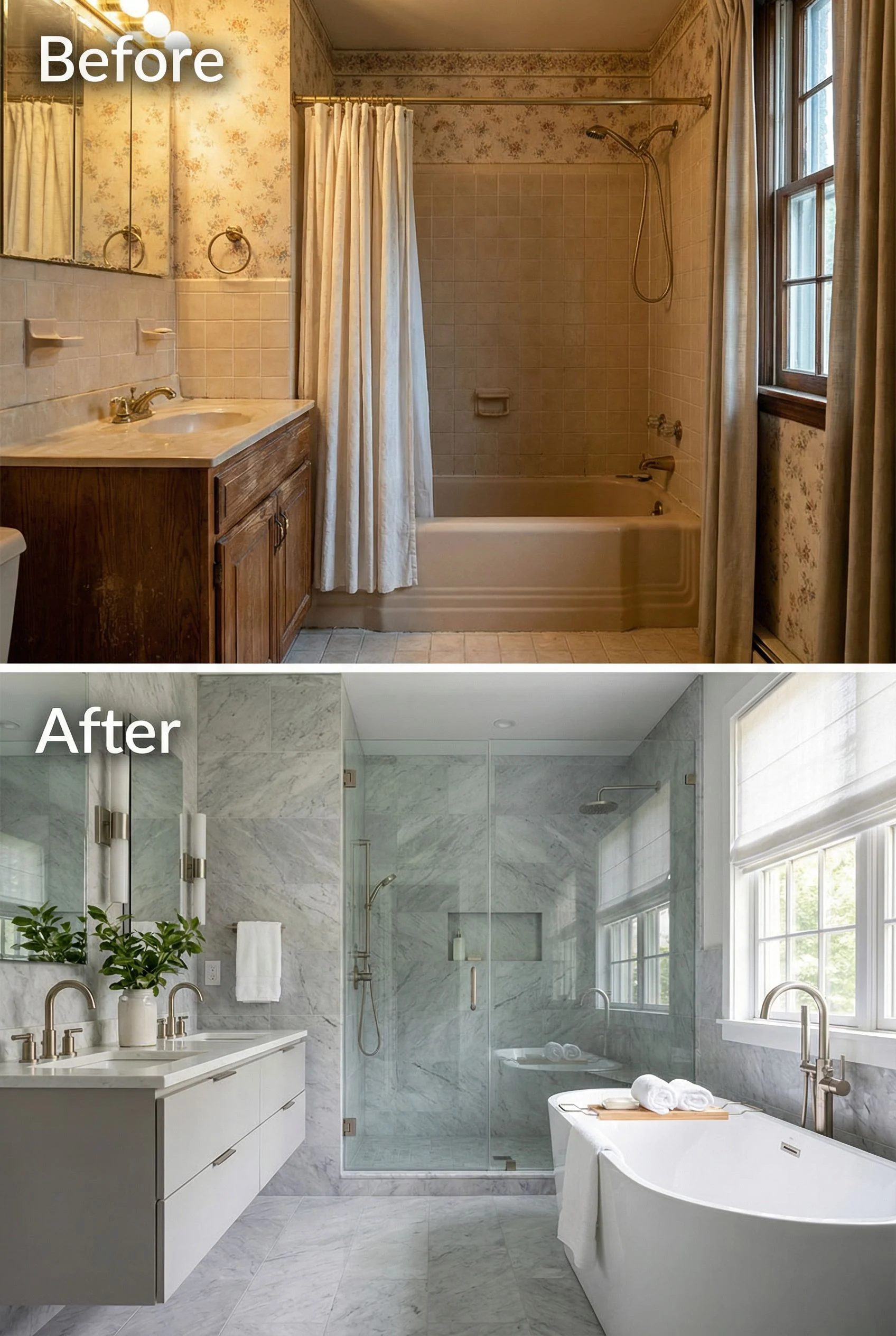
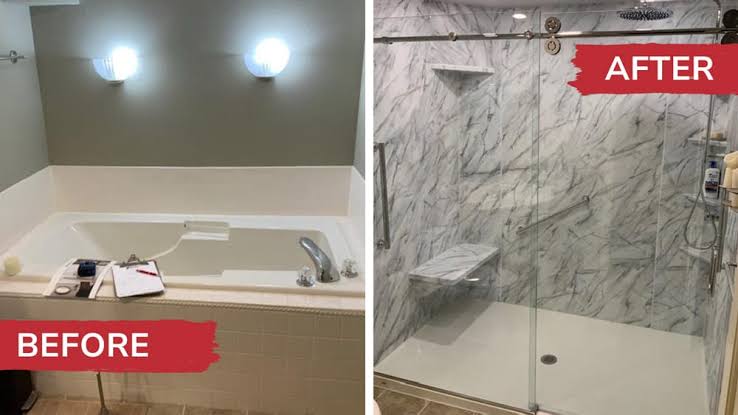
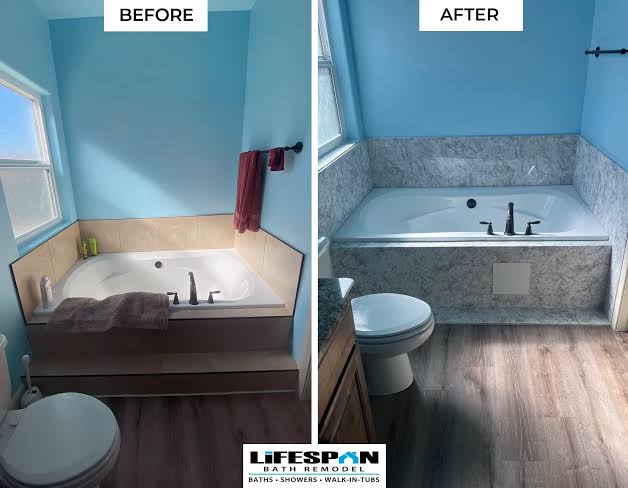
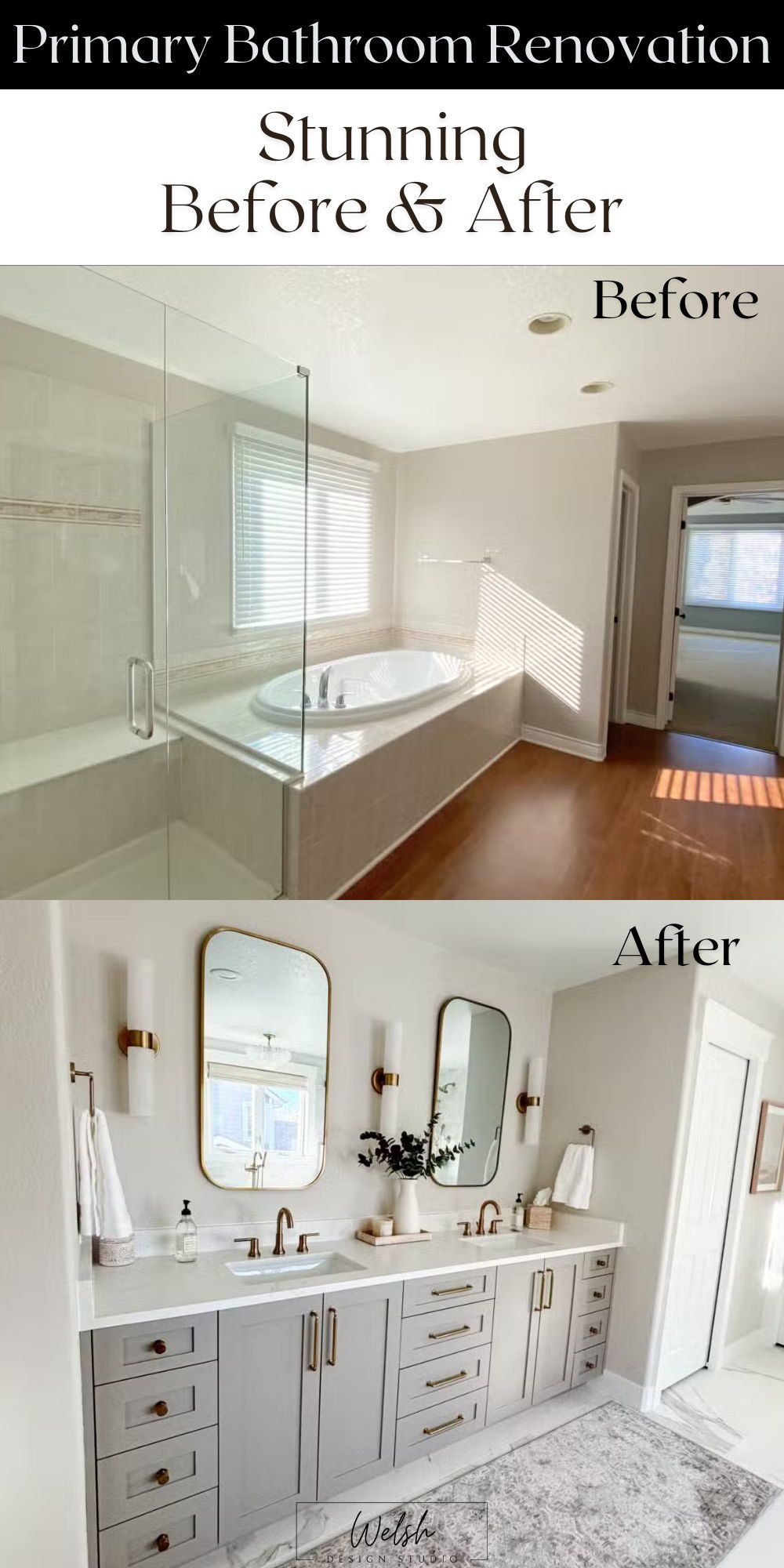
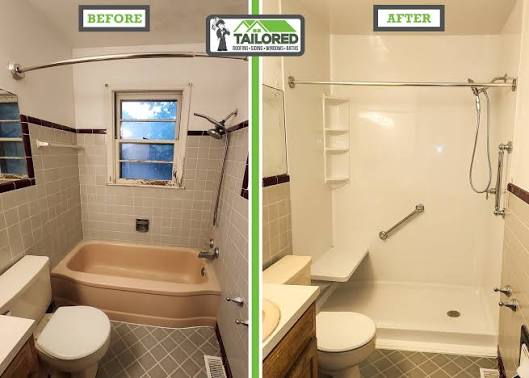
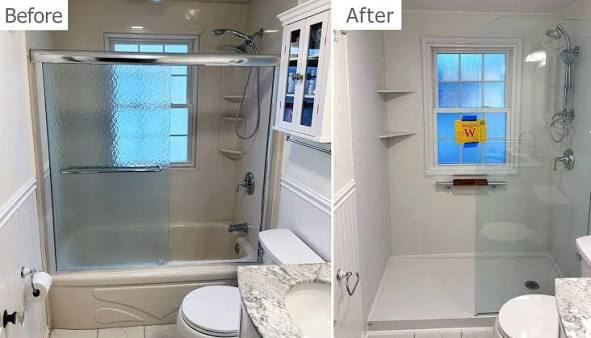
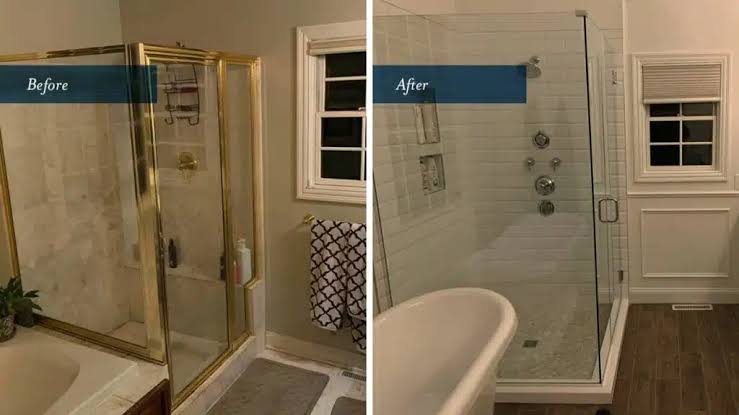
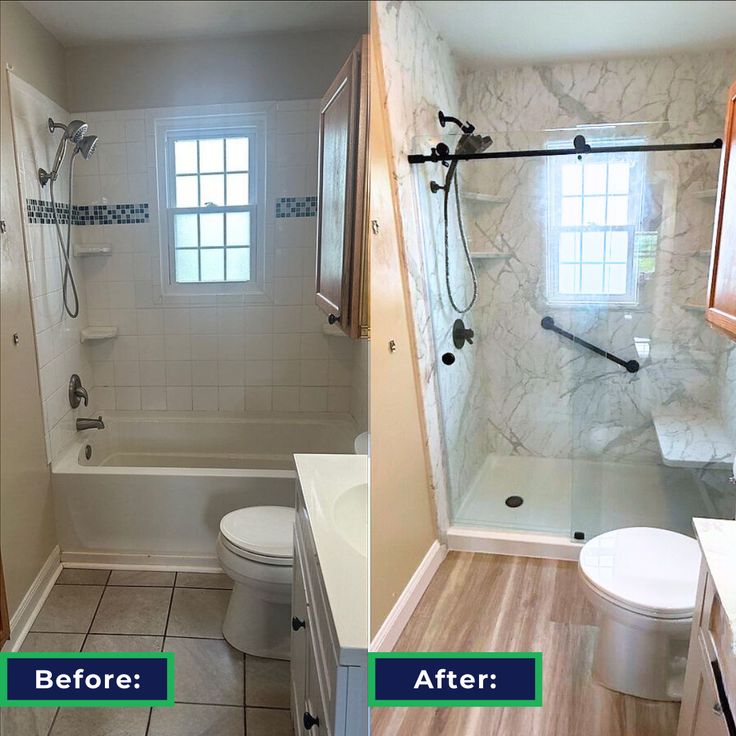
Before and After: The Tub That Was.
The Bathroom It Became.

The Tub You Want. On the Tile That Makes It Look Like It Belongs There.

Joshua brings tile samples to your bathroom, evaluates the floor structure and plumbing rough-in, and designs the tub installation with the surrounding tile as a single coordinated project. The consultation is free and the quote covers both the tub and the tile before any commitment is made.

Bathtub Installation and Replacement
SERVICE AREA

Bathtub Installation Across Central Florida.

Elite Floor Crafters installs and replaces bathtubs throughout Ocala, Gainesville, The Villages, Citrus County, and surrounding Central Florida communities. Joshua brings tile samples to your home during the free in-home consultation so tub surround and floor tile decisions are made in your actual bathroom before any fixture or tile is ordered.

Call or text 352-520-9400 to schedule your free in-home consultation.

FAQs

Frequently Asked Questions About Bathtub Installation in Central Florida

What type of bathtub is best for a Central Florida master bath renovation?

Freestanding acrylic or stone resin soaking tubs are the most popular choice for Central Florida master bath renovations where floor space allows showing all four sides. Stone resin provides excellent heat retention and a warm matte exterior. Acrylic is lighter and available in more shapes and sizes. Joshua evaluates your bathroom layout, floor structure, and plumbing rough-in position during the consultation and recommends the format that works correctly for your specific space.

It depends on the tub material and the floor construction. Stone resin and cast iron freestanding tubs filled with water can weigh 600 pounds or more concentrated at the tub feet. On wood-framed floors, joist reinforcement may be required. On concrete slab, which is the standard construction in most Central Florida homes, heavy freestanding tubs are generally accommodated without structural modification. Joshua evaluates the floor beneath the planned tub position during the consultation before any tub is specified.

A whirlpool tub uses water jets that recirculate bath water through a pump. An air tub uses air jets that pump room-temperature air into the tub without recirculating water. In Florida’s humid climate, whirlpool jet systems accumulate biofilm inside the plumbing when not in use, requiring regular jet purging maintenance. Air tubs do not have this problem because no water sits in the jet system between uses. For Florida households wanting hydrotherapy features, air tubs are the lower-maintenance specification.

Yes, if the existing tile surround is in good condition and the new tub rim profile is compatible with the existing surround tile height and configuration. In practice, a new tub almost always looks best with an updated surround because the new tub finish rarely matches the existing tile tone and grout color precisely. Joshua evaluates the existing surround condition and compatibility during the consultation and recommends whether surround replacement adds value to the project.

A straightforward alcove tub replacement with updated surround tile runs four to seven days including tile installation and grout cure time. A freestanding tub installation with new floor tile runs five to eight days depending on floor tile complexity and the plumbing coordination required for the freestanding supply and drain. Joshua provides a realistic project timeline during the free in-home consultation based on the actual tub type, tile scope, and any floor structure or plumbing work required.

Yes. The tub and the surrounding tile work are coordinated as a single project scope. The tile surround for an alcove or drop-in tub and the floor tile around a freestanding tub are designed and installed as part of the same bathroom remodeling project. Joshua brings tile samples to the consultation so the tub material, faucet finish, tile selection, and grout color are all evaluated together in your actual bathroom before any material is ordered.

If the tub in your master bath is rarely or never used and a second bathroom has a tub for resale purposes, a walk-in shower conversion typically delivers higher daily use value and design impact per dollar. If you actively use the tub, want to upgrade to a soaking tub experience, or need the tub for resale in a home without another tub option, replacement or upgrade is the right path. Joshua can discuss both options during the consultation with no commitment required.