PVC-free flooring means resilient or laminate flooring made without polyvinyl chloride (PVC) or the plasticizers commonly blended into it. If you’ve ever assumed "vinyl" only comes one way — hard, plastic, and slightly chemical-smelling out of the box — that’s actually a common misconception, and it’s one we hear often in our showroom conversations. Manufacturers now build durable, waterproof floors using wood-plastic composite (WPC), stone-plastic composite (SPC) blends, or polyurethane-based cores that skip PVC entirely. For homeowners in Central Florida who care about indoor air quality, long-term durability, and doing right by their families, that distinction matters. This guide walks through what PVC-free flooring actually is, why it’s gaining ground across Marion, Lake, Alachua, and Hernando counties, and how to compare your real options without getting lost in marketing jargon.
📌 Key Takeaways
- PVC-free flooring swaps polyvinyl chloride for WPC, SPC, or polyurethane-based cores, reducing plasticizers and off-gassing.
- It performs well in Florida’s humidity when installed correctly, standing up to moisture better than laminate in many cases.
- "Wholesale" pricing on PVC-free products is most accessible through an established local installer, not big-box retail.
- Not every "eco" label means PVC-free — always ask for the spec sheet, not just the marketing sticker.
- Professional installation protects any manufacturer warranty and prevents the subfloor issues that void it.
Jump to a section:
- What Is PVC-Free Flooring?
- Why Florida Homeowners Are Choosing PVC-Free Flooring
- PVC-Free Flooring Options Compared
- Wholesale PVC-Free Flooring: What It Means for Your Budget
- Installation and Long-Term Care
- FAQ
What Is PVC-Free Flooring?
Quick Answer: PVC-free flooring is any resilient or laminate product manufactured without polyvinyl chloride resin, typically using WPC, SPC, or polyurethane-based formulations instead. It’s built to deliver the same waterproof, scratch-resistant performance homeowners expect from vinyl.
Polyvinyl chloride, or PVC, is a plastic resin that’s been the backbone of traditional vinyl flooring for decades because it’s cheap and flexible. To keep it pliable, manufacturers add plasticizers — chemicals like phthalates that soften the plastic but can off-gas over time. According to the National Institute of Environmental Health Sciences, some phthalates have been studied for potential health effects, which is exactly why interest in phthalate-free flooring has grown among health-conscious families.
How It Differs From Standard Vinyl
Standard luxury vinyl plank (LVP) usually relies on a PVC core layered under a printed design and wear layer. PVC-free vinyl flooring replaces that core with WPC (wood-plastic composite) or SPC (stone-plastic composite) — both denser, more stable materials. The look and feel at install are nearly identical; the difference lives in the chemistry underneath.
✅ Quick Tip: Ask any salesperson for the technical data sheet, not just the brochure. "Eco-friendly" branding doesn’t always mean PVC-free — the spec sheet will list the actual core composition.
Why Florida Homeowners Are Choosing PVC-Free Flooring
Quick Answer: Florida’s humidity, indoor air quality concerns, and long ownership timelines make PVC-free flooring an appealing upgrade for homeowners who plan to stay put and want floors that age well.
We’ve walked through hundreds of homes from Ocala to Mount Dora, and the same three worries come up again and again: moisture, smell, and how the floor will hold up in five, ten, fifteen years. Traditional vinyl can trap heat and, in poorly ventilated rooms, contribute to that "new flooring smell" that lingers longer than homeowners expect.
Humidity, Heat, and Indoor Air Quality
Central Florida’s climate is tough on flooring. High humidity swings between air-conditioned interiors and muggy afternoons stress materials that aren’t dimensionally stable. The EPA’s guidance on indoor air quality notes that volatile organic compounds (VOCs) — gases released from certain building materials — can be several times higher indoors than outdoors, particularly right after installation. Choosing low-VOC, PVC-free flooring is one practical way to reduce that load in a newly renovated kitchen or bathroom.
💡 Expert Insight: In our experience outfitting homes in Belleview and Summerfield, WPC-core PVC-free flooring handles humidity swings noticeably better than budget laminate, which can swell at the seams if moisture sneaks in.
PVC-Free Flooring Options Compared
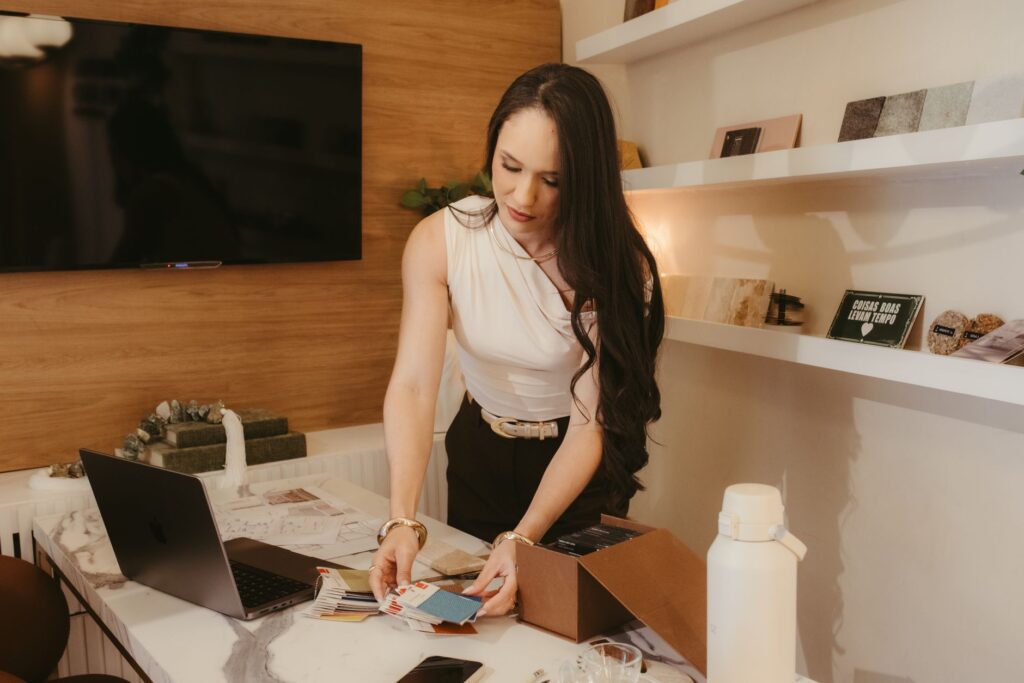
Quick Answer: Your main PVC-free choices are WPC or SPC vinyl-style planks, PVC-free laminate, polyurethane-based resilient flooring, and natural materials like hardwood or tile. Each has trade-offs in cost, water resistance, and feel underfoot.
PVC-Free Vinyl Flooring vs. Traditional Vinyl
PVC-free vinyl flooring built on a WPC or SPC core is fully waterproof and rigid, making it a strong fit for kitchens and bathrooms. It costs a bit more than PVC-based LVP but often outperforms it in stability, which matters if your project spans an open-concept kitchen and living area.
PVC-Free Laminate Options
PVC-free laminate uses a wood-fiber core with a melamine wear layer, skipping vinyl altogether. It’s an economical, scratch-resistant option for living rooms and bedrooms, though it’s less water-tolerant than WPC vinyl, so it’s not our first pick for full bathrooms.
| Flooring Type | PVC-Free? | Water Resistance | Typical Cost per Sq Ft* | Best Rooms |
|---|---|---|---|---|
| PVC-free vinyl (WPC/SPC) | Yes | Excellent | $3.50–$6.50 | Kitchens, bathrooms, entryways |
| PVC-free laminate | Yes | Moderate | $2.50–$5.00 | Living rooms, bedrooms |
| Polyurethane-based resilient | Yes | Excellent | $4.00–$7.50 | Whole-home, high-traffic areas |
| Solid hardwood | Yes | Poor–Moderate | $6.00–$12.00 | Living rooms, dining rooms |
| Porcelain tile | Yes | Excellent | $4.00–$9.00 | Bathrooms, laundry, entries |
*Material only; installation pricing varies by home and prep work needed.
⚠️ Common Mistake: Assuming all "waterproof" flooring is PVC-free. Waterproof and PVC-free are two separate claims — a product can be fully waterproof and still contain PVC.
Wholesale PVC-Free Flooring: What It Means for Your Budget
Quick Answer: "Wholesale" PVC-free flooring pricing generally means buying through a contractor’s trade accounts rather than retail markup, which can meaningfully lower your per-square-foot cost without lowering quality.
Big-box retailers mark up flooring for individual buyers, while established local installers often carry wholesale or trade pricing on the same manufacturer lines. That’s one reason homeowners in Gainesville and Leesburg call us before shopping alone — the material cost alone can shift a project’s budget by hundreds of dollars.
Cost Comparison: DIY vs. Professional Installation
| Factor | DIY Installation | Professional Installation |
|---|---|---|
| Material access | Retail pricing only | Trade/wholesale pricing available |
| Subfloor prep | Often skipped or misjudged | Assessed and corrected first |
| Warranty protection | Frequently voided | Typically preserved |
| Time investment | Days to weeks | Usually 1–3 days per room |
| Risk of costly redo | Higher | Lower |
📊 Data Point: According to the Consumer Product Safety Commission, improper flooring installation over damp or uneven subfloors is a leading cause of premature material failure — a risk that’s higher in Florida’s humid climate than in drier regions.
If you’re comparing quotes, ask what’s included in "per square foot" pricing — some quotes cover material only, others fold in removal of your old floor and full prep. Our flooring services page breaks down what’s typically bundled so you can compare apples to apples.
Installation and Long-Term Care
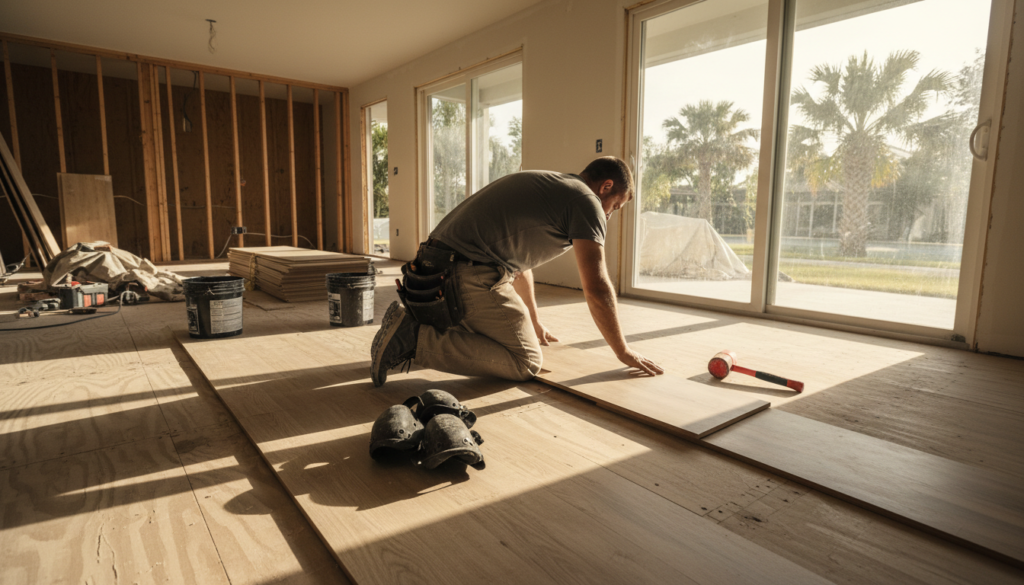
Quick Answer: PVC-free flooring installs similarly to standard vinyl or laminate but rewards careful subfloor prep, acclimation time, and routine, gentle cleaning.
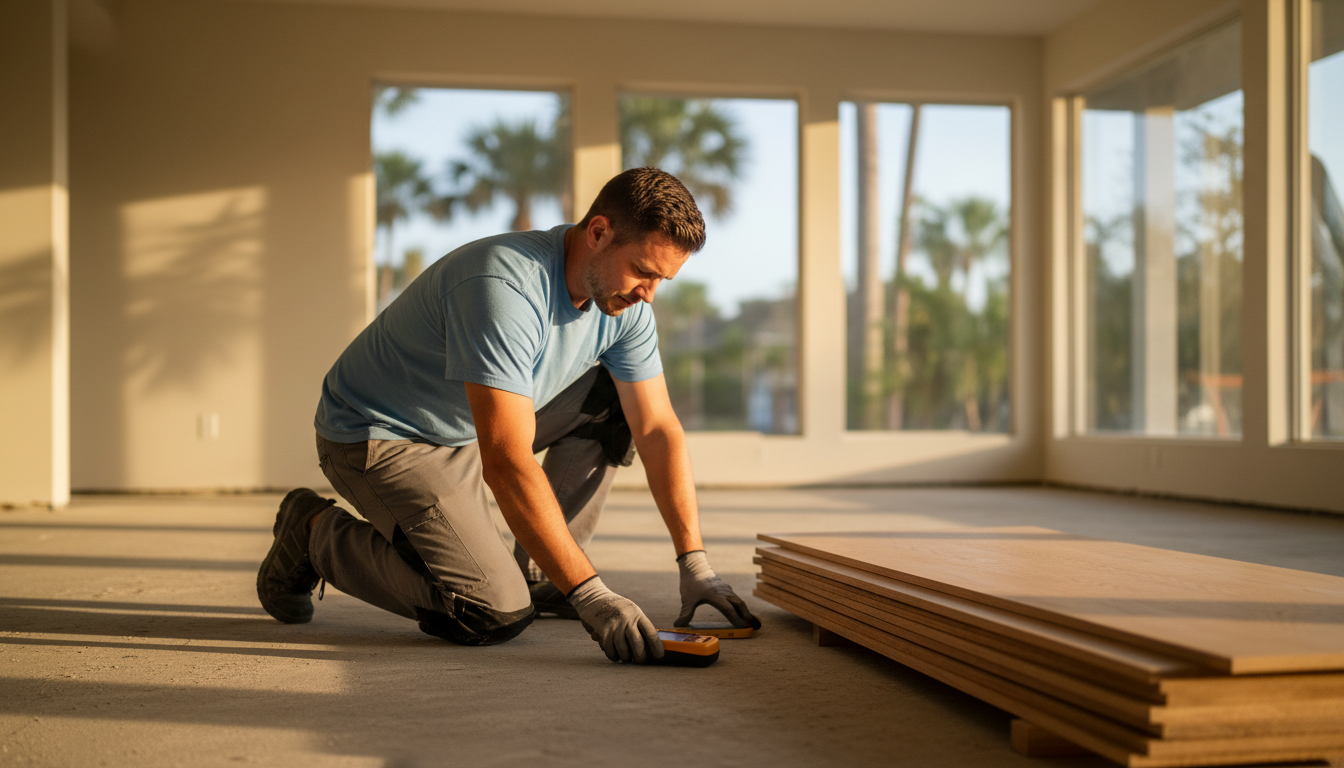
Most PVC-free vinyl products float or click-lock together, but they still need a flat, dry subfloor to perform as advertised. Skipping acclimation — letting planks sit in the room for 48 hours before install — is one of the fastest ways to end up with gaps or buckling later.
A Simple Maintenance Routine
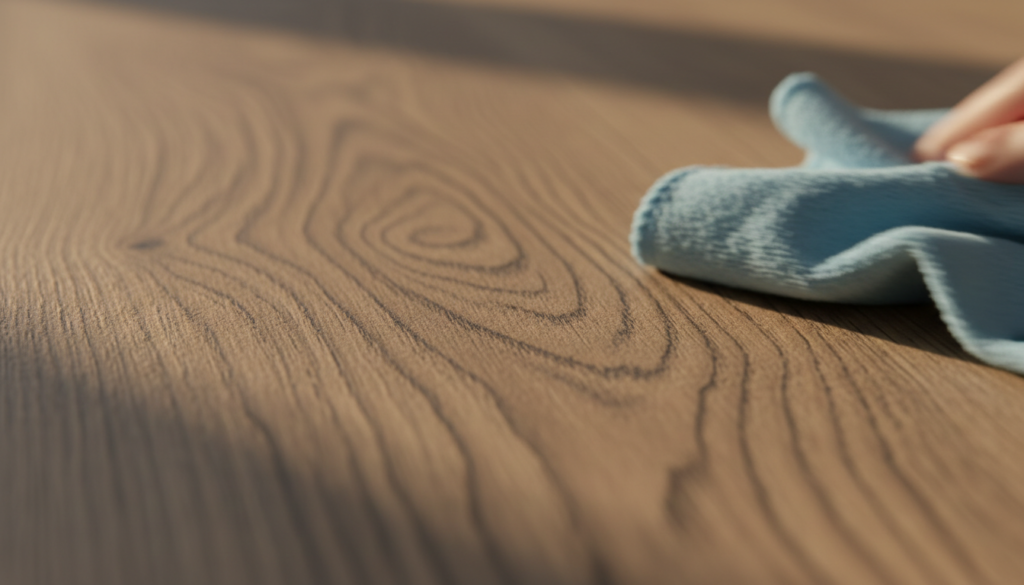
- Sweep or dust-mop weekly to prevent grit from scratching the wear layer.
- Damp-mop monthly with a manufacturer-approved, pH-neutral cleaner.
- Wipe up spills promptly, especially in kitchens and bathrooms.
- Use felt pads under furniture legs to avoid indentations.
- Schedule a professional inspection every few years if you notice seams shifting.
We’ve handled kitchen remodels in Eustis and Clermont where the flooring outlasted the cabinetry simply because the homeowners followed a routine like this one. It’s not complicated — it’s just consistent.
✅ Quick Tip: Keep a small offcut of your flooring in storage. It’s the easiest way to test cleaners or match a repair years down the road.
For bathroom projects specifically, moisture management goes beyond the floor itself — proper grout, transitions, and ventilation all play a role, which is something we walk through during bathroom remodeling consultations. The same logic applies in kitchens, where our kitchen flooring installations often pair PVC-free vinyl with under-cabinet moisture barriers for extra protection.
As of 2026, more manufacturers are publishing third-party emissions testing alongside their product lines, which makes it easier to verify PVC-free and low-VOC claims before you buy rather than taking marketing copy at face value. We’d rather show you a spec sheet than a slogan — that’s just how we operate.
FAQ
Is PVC-free flooring actually waterproof?
Many PVC-free vinyl products, particularly WPC and SPC core styles, are fully waterproof and perform well in kitchens and bathrooms. PVC-free laminate, however, is only moisture-resistant, not waterproof, so room selection matters.
What is the difference between PVC-free vinyl flooring and regular vinyl?
PVC-free vinyl flooring uses a WPC, SPC, or polyurethane-based core instead of polyvinyl chloride, which reduces plasticizer content and typical off-gassing. Visually and functionally they’re similar, but the underlying chemistry and, often, the rigidity underfoot differ.
Does PVC-free laminate scratch easily?
Quality PVC-free laminate holds up well against everyday foot traffic and pet claws thanks to its melamine wear layer, though it’s still less scratch-resistant than porcelain tile. Using furniture pads and regular sweeping extends its life significantly.
How much does wholesale PVC-free flooring cost compared to retail?
Wholesale PVC-free flooring purchased through a professional installer’s trade account is often 10–20% less than the same product at retail markup. Pricing still varies by brand, thickness, and the square footage of your project.
Are there PVC-free alternatives available for homes in Champions Gate, FL?
While our direct service area centers on Marion, Lake, Alachua, and Hernando counties — including Ocala, The Villages area communities, and Gainesville — many of the same WPC, SPC, and polyurethane-based PVC-free products are available regionally through flooring distributors. We recommend confirming service-area coverage before requesting an installation quote.
Can I install PVC-free flooring over existing tile or vinyl?
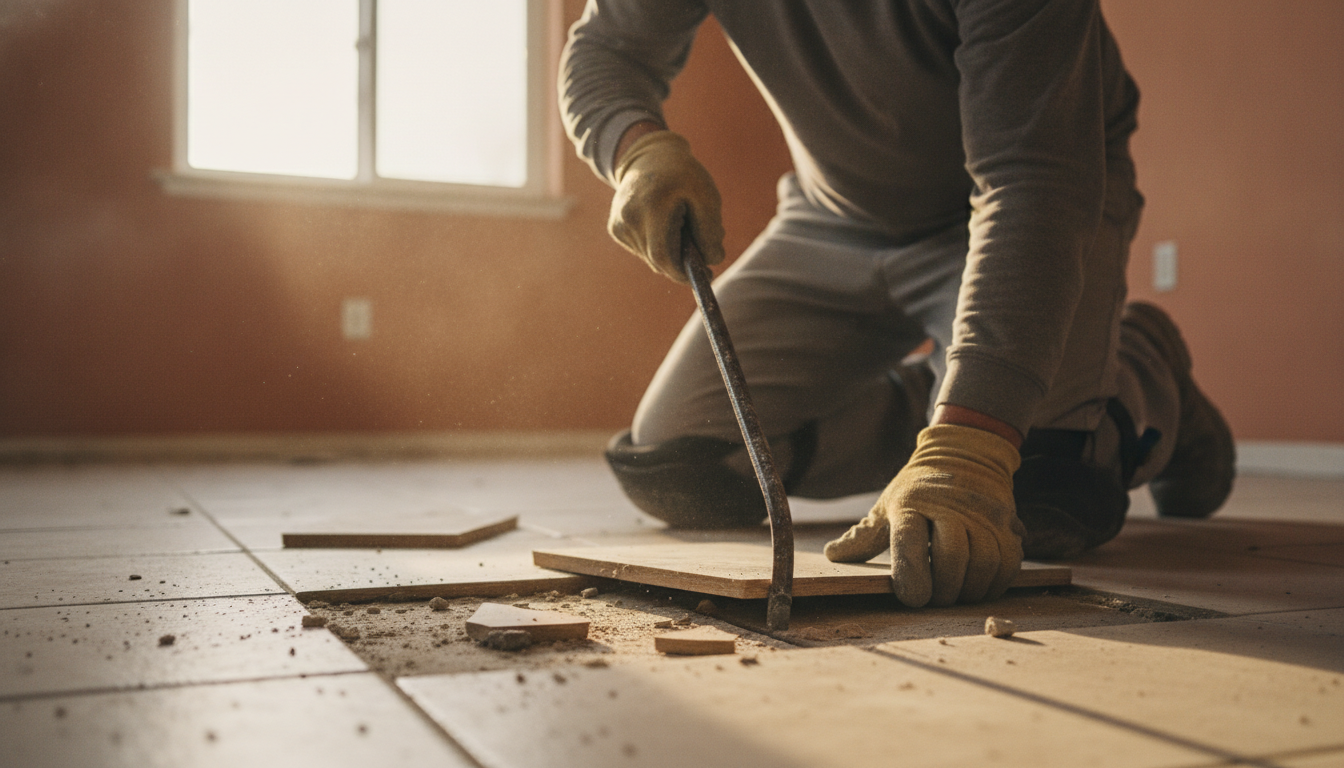
In many cases yes, provided the existing floor is flat, structurally sound, and properly assessed first. Our floor removal and prep guidance covers when removal is necessary versus when installing over an existing floor is safe.
Which rooms benefit most from PVC-free flooring?
Kitchens, bathrooms, and entryways benefit most because PVC-free vinyl and polyurethane-based options handle moisture and heavy traffic well. Bedrooms and living rooms can also use PVC-free laminate for a warmer, softer feel underfoot.
The Bottom Line
PVC-free flooring gives Florida homeowners a genuine way to reduce plasticizers and VOCs at home without giving up the durability and style that busy households need. Between WPC and SPC vinyl, polyurethane-based resilient options, and PVC-free laminate, there’s a fit for nearly every room and budget. The real work is in verifying claims, prepping the subfloor correctly, and choosing an installer who protects your investment rather than rushing it.
Next steps:
- Identify which rooms need waterproof performance versus general durability.
- Request spec sheets for any PVC-free product you’re considering.
- Compare wholesale pricing through a local, established installer.
- Schedule a subfloor assessment before finalizing your material choice.
- Book your installation with a crew that stands behind the work.
If you’re ready to see real PVC-free flooring samples in your own space, request a free quote and let’s talk through what fits your home, your family, and your budget.