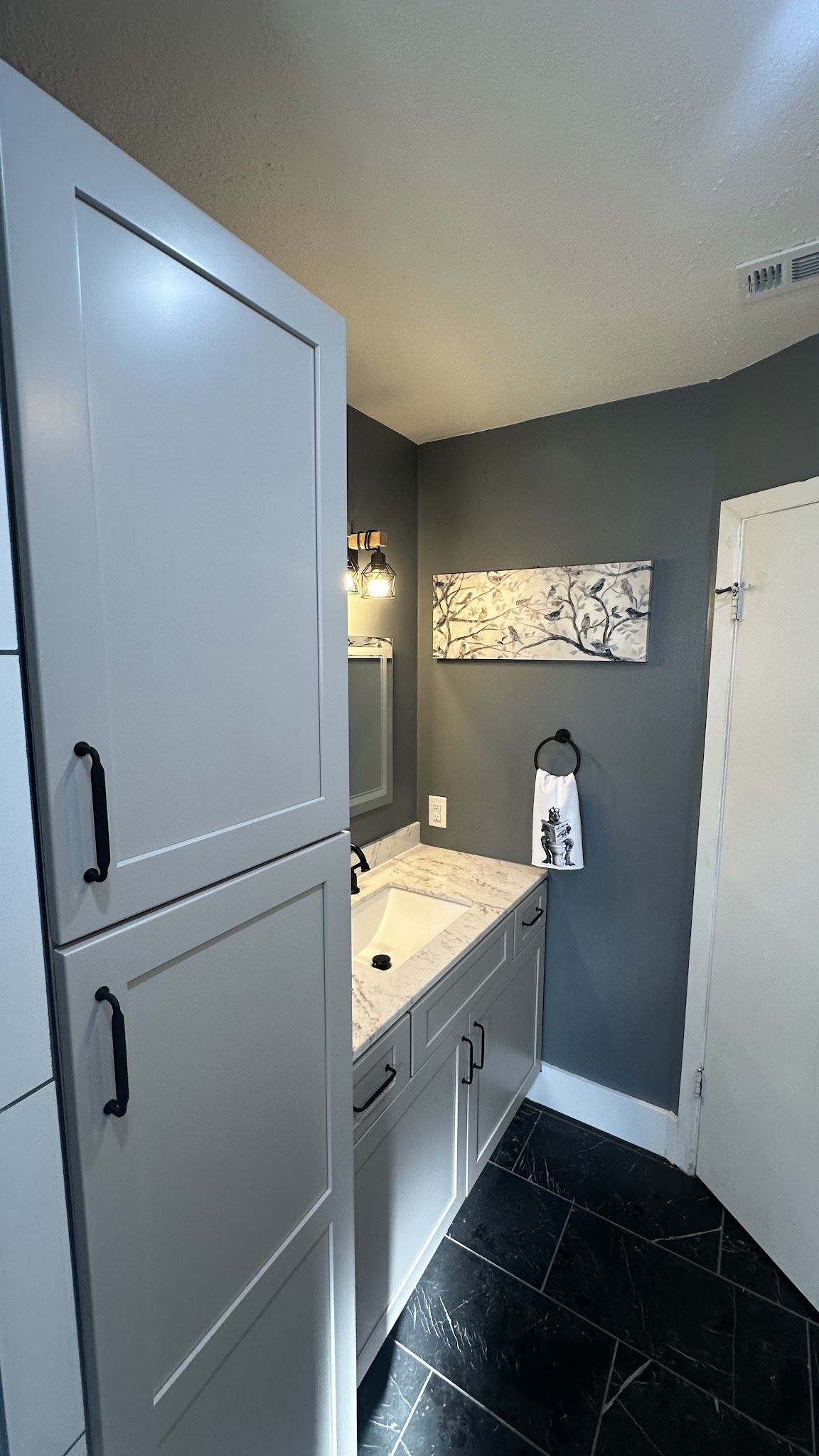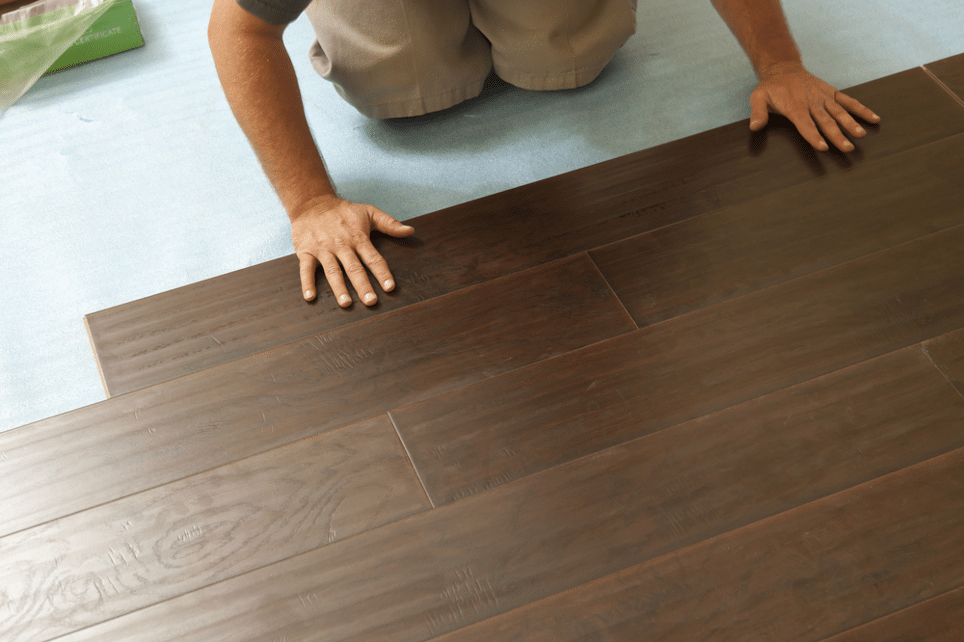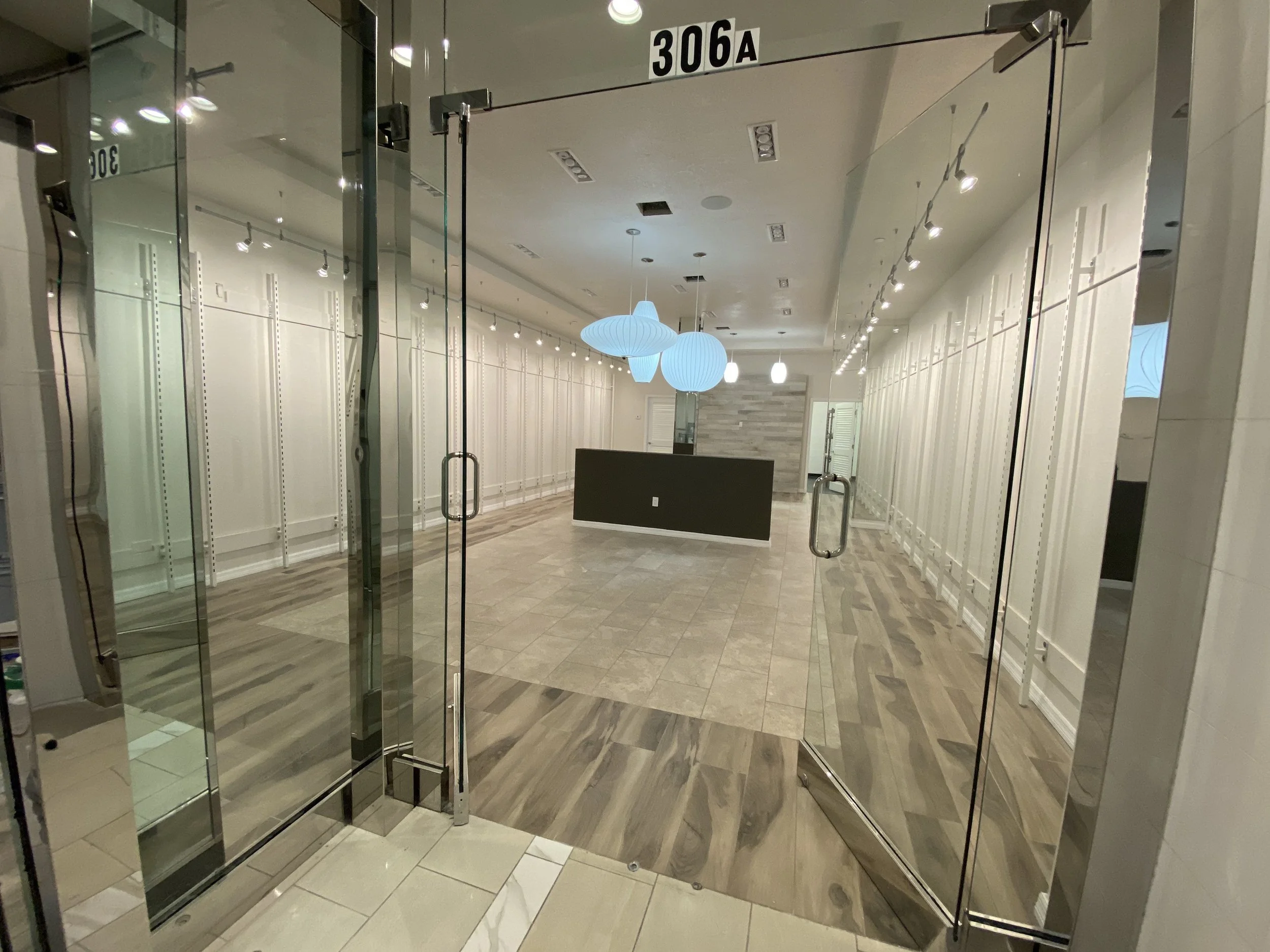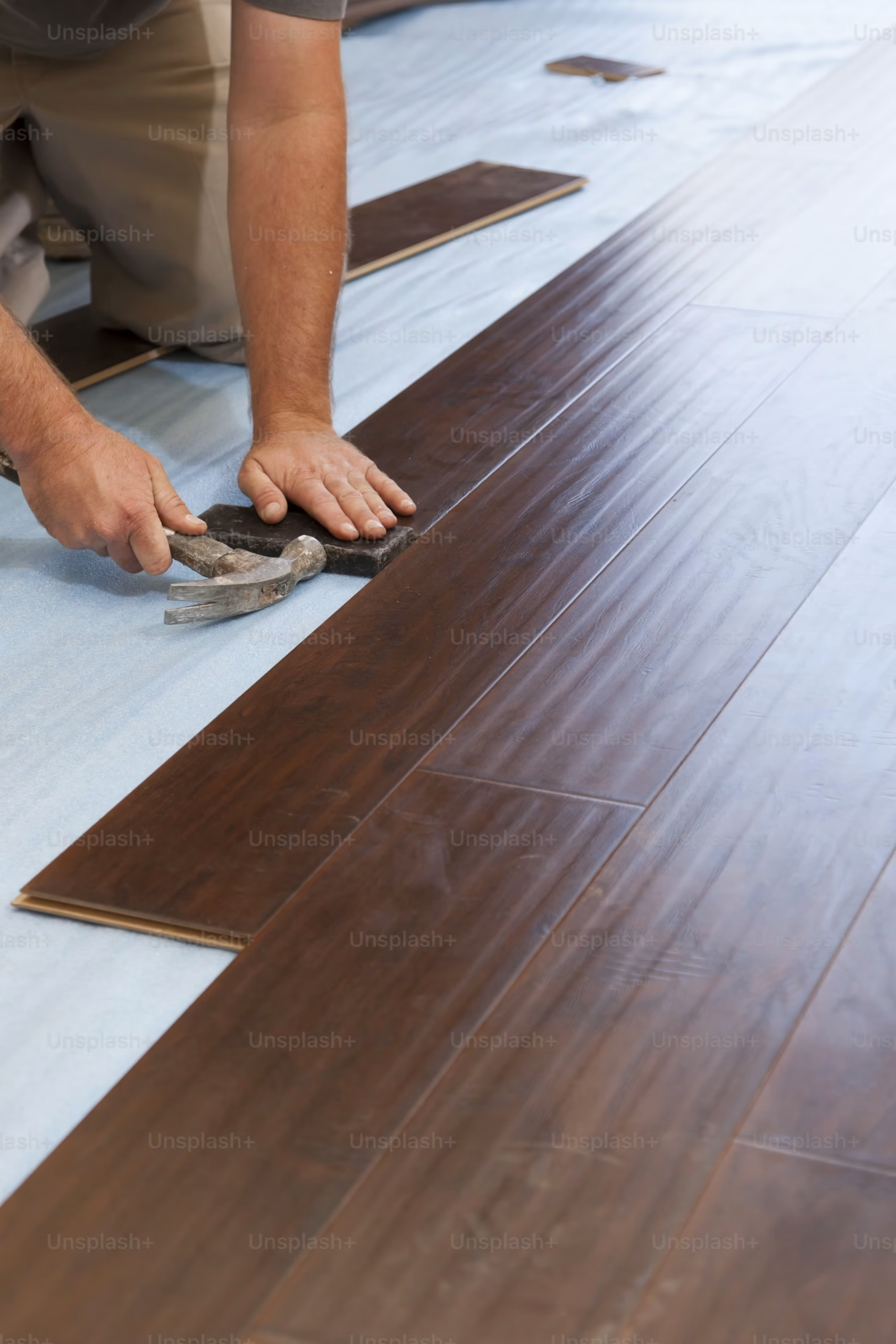
LVP flooring installation in The Villages is one of the fastest ways to upgrade a Florida home without the maintenance headaches of hardwood or the chill of tile. Luxury vinyl plank (LVP) handles humidity, pets, and daily foot traffic better than most flooring on the market. Many homeowners assume all vinyl flooring looks cheap or wears out fast — that misconception usually comes from older sheet vinyl, not today’s rigid-core luxury plank products.
In this guide, we’ll walk through what drives cost, how a professional installation actually unfolds, and how to vet a flooring installation contractor before you sign anything. We’ll also cover maintenance so your investment lasts as long as it should.
📌 Key Takeaways
- LVP flooring installation in The Villages typically runs $4-$9 per square foot installed, depending on subfloor condition.
- Proper subfloor prep prevents 90% of long-term LVP problems like peaking or telegraphing.
- Waterproof cores make LVP a strong match for Florida’s humidity and sudden summer storms.
- Always confirm a contractor’s Florida license through the state licensing board before hiring.
- Acclimating planks for 48 hours reduces expansion gaps after installation.
Jump to a section:
- Why LVP Works So Well in The Villages
- What Drives Installation Cost
- The Installation Process, Step by Step
- Choosing a Flooring Installation Contractor
- Caring for Your New Floors
- Frequently Asked Questions
Why LVP Works So Well in The Villages
Quick Answer: LVP flooring holds up to Florida humidity, sandy foot traffic, and golf-cart households better than hardwood or carpet, while still looking like natural wood or stone.
Homes throughout Marion, Lake, and Sumter county communities deal with year-round moisture in the air, afternoon downpours, and sand tracked in from daily cart rides. Standard hardwood can cup or warp under those conditions over time. Luxury vinyl plank uses a rigid or flexible core — often WPC (wood-plastic composite) or SPC (stone-plastic composite) — topped with a printed wear layer that resists scratches.
Built for Florida’s Climate
Unlike solid hardwood, quality LVP is engineered to be fully waterproof, not just water-resistant. That distinction matters: water-resistant products slow moisture penetration, while waterproof cores block it entirely. For a lanai-adjacent kitchen or a bathroom hallway, that difference prevents costly subfloor damage down the road.
✅ Quick Tip: Ask any flooring installation company whether their LVP line is rated waterproof or only water-resistant — the terms aren’t interchangeable, and the wrong assumption can void a warranty claim later.
A Look-and-Feel Upgrade Without the Upkeep
Today’s LVP comes in wide-plank oak, hickory, and even stone visuals, with embossed textures that mimic real wood grain underfoot. Homeowners get the aesthetic of our LVP flooring installation service without refinishing schedules or grout lines to scrub.
What Drives Flooring Installation Cost in Gainesville, Ocala, and Nearby Areas
Quick Answer: Material grade, square footage, subfloor condition, and removal of old flooring are the four biggest cost drivers for any flooring installation project, including LVP.
Pricing varies across our service area, from Ocala to Leesburg to Gainesville, because older homes often have plywood or concrete slabs needing extra prep. A flooring installation gainesville fl cost estimate will differ from a newer build in a Villages-adjacent community simply due to subfloor condition.
Material and Labor Breakdown
Most homeowners budget separately for materials and labor, though many flooring installation contractors quote both together. Expect material costs of $2-$5 per square foot for mid-grade SPC vinyl, with labor adding $1.50-$4 depending on removal needs and room complexity.
| Flooring Type | Avg. Installed Cost/Sq Ft | Water Resistance | Lifespan |
|---|---|---|---|
| LVP (SPC core) | $4-$9 | Fully waterproof | 15-25 years |
| Engineered Hardwood | $7-$14 | Water-resistant only | 20-30 years |
| Laminate | $3-$7 | Limited | 10-20 years |
| Ceramic Tile | $8-$15 | Fully waterproof | 25+ years |
📊 Data Point: According to the U.S. Environmental Protection Agency, selecting low-VOC flooring materials can meaningfully improve indoor air quality, a growing factor in flooring material decisions.
Hidden Costs Homeowners Forget
Flooring removal, furniture moving, and baseboard reinstallation often get left out of DIY budgets. If your project includes tearing out old carpet or tile, our flooring removal team can fold that into the same scope to avoid scheduling gaps.
⚠️ Common Mistake: Skipping a moisture test on concrete slabs before installation. Excess slab moisture is one of the leading causes of LVP adhesive failure and plank lifting.
The LVP Flooring Installation Process, Step by Step
Quick Answer: A professional LVP installation follows five stages: inspection, acclimation, subfloor prep, installation, and trim finishing — each one protects the long-term performance of the floor.
I’ve walked homeowners through this process dozens of times across Ocala and the surrounding counties, and skipping a step is almost always what causes callbacks. Here’s the sequence a reputable crew follows.
Pre-Installation Steps
- Inspection and measurement — the installer checks subfloor flatness, moisture levels, and square footage needs.
- Acclimation — planks sit in the home for 48 hours so they adjust to indoor temperature and humidity.
- Subfloor preparation — cracks, high spots, or old adhesive residue get leveled or ground down.
Installation and Finishing Steps
- Plank installation — click-lock or glue-down planks are laid in a staggered pattern, with expansion gaps left at walls.
- Trim and transitions — baseboards, thresholds, and transition strips are reinstalled or replaced for a finished look, a service we also handle through our baseboard and trim installation work.
💡 Expert Insight: Expansion gaps aren’t optional — vinyl plank expands and contracts with temperature shifts, and a tight installation against the wall is one of the top causes of buckling we see on inspection calls.
Choosing a Flooring Installation Contractor You Can Trust
Quick Answer: Vet any flooring installation contractor on licensing, insurance, written warranties, and references from recent local jobs before signing a contract.
The gap between a smooth project and a frustrating one usually comes down to who you hire, not the material itself. A local flooring installation contractor familiar with Florida slab construction will spot issues a traveling crew might miss.
Questions to Ask Before You Sign
- Is your license active with the Florida Department of Business and Professional Regulation?
- What’s included in your written estimate — materials, labor, removal, disposal?
- Do you carry general liability and workers’ comp coverage?
- Can you provide addresses of recent local installations for reference?
DIY vs. Professional Installation
| Factor | DIY | Professional Installation |
|---|---|---|
| Subfloor leveling | Often skipped | Standard practice |
| Warranty coverage | Manufacturer only | Manufacturer + labor warranty |
| Time to complete | Days to weeks | 1-3 days typical |
| Risk of moisture issues | Higher | Minimized with proper testing |
For homeowners weighing materials altogether, our LVP vs. hardwood comparison guide breaks down the tradeoffs in more depth. If your project spans a full remodel, our broader flooring installations services page covers hardwood, tile, and carpet options as well.
✅ Quick Tip: Get at least two written quotes before committing — pricing for the same square footage can vary by 20% or more between contractors in the same county.
Caring for Your New LVP Floors
Quick Answer: Routine sweeping, prompt spill cleanup, and felt pads under furniture keep LVP looking new for well over a decade.
Maintenance is one of LVP’s biggest selling points compared to hardwood. There’s no refinishing, no waxing, and no special cleaners required beyond a pH-neutral floor cleaner recommended by most manufacturers.
Daily and Seasonal Care
Sweep or vacuum (without a beater bar) weekly to prevent grit from scratching the wear layer. During Florida’s rainy season, wipe entryways more frequently since sand and grit are abrasive when ground underfoot.
⚠️ Common Mistake: Using steam mops on LVP. Heat and moisture can compromise the seams between planks over time, even on waterproof-rated products.
For homeowners in Gainesville tackling a full kitchen or bathroom refresh alongside new floors, pairing LVP with updated kitchen cabinets or a tub-to-shower conversion often happens in the same renovation window to minimize disruption.
Frequently Asked Questions
How much does LVP flooring installation in The Villages typically cost?
Most projects run $4-$9 per square foot installed, depending on material grade and subfloor prep needed. Older homes with uneven concrete slabs tend to land toward the higher end of that range.
How long does LVP flooring installation take for an average home?
A standard 1,500-square-foot home usually takes one to three days, assuming the subfloor doesn’t need extensive leveling. Larger homes or those requiring furniture moves can add an extra day.
Is LVP flooring actually waterproof or just water-resistant?
True LVP with an SPC or WPC core is fully waterproof at the plank level, though seams can still allow moisture through if standing water sits too long. Always confirm the specific product’s rating with your installer rather than assuming.
Can LVP be installed over existing tile or hardwood?
In many cases, yes, as long as the existing surface is flat, clean, and structurally sound. A contractor will check for height clearance issues at doorways and transitions before recommending this approach.
What’s the difference between LVP and laminate flooring?
LVP has a waterproof core and is safe for bathrooms and kitchens, while laminate uses a wood-fiber core that can swell if exposed to standing water. Laminate is generally a few dollars cheaper per square foot but carries more moisture risk.
Do I need to remove baseboards before LVP installation?
Most professional installers remove baseboards to tuck the expansion gap underneath for a cleaner look, then reinstall or replace trim afterward. This step also allows for better inspection of the wall line and subfloor edges.
How do I find a reliable flooring installation company near Ocala?
Start by confirming active licensing through the state board, then ask for references from recent jobs in your specific area. Local flooring installation contractors familiar with Marion County’s slab construction will typically flag moisture or leveling issues faster than out-of-area crews.
Final Thoughts
LVP flooring installation in The Villages comes down to three things: choosing a genuinely waterproof product, prepping the subfloor correctly, and hiring a licensed, insured contractor who stands behind the work. Skipping any one of those steps is where most flooring complaints originate. With the right planning, LVP can deliver a decade-plus of low-maintenance, good-looking floors across Ocala, Gainesville, Leesburg, and the surrounding communities.
Next steps:
- Measure your space and note any visible subfloor issues.
- Request written quotes from at least two licensed flooring installation contractors.
- Confirm the LVP product’s waterproof rating and warranty terms in writing.
- Schedule a walkthrough to set a realistic installation timeline.
Elite Floor Crafters is a licensed Florida flooring contractor serving Marion, Lake, Hernando, and Alachua counties. Ready to get started? Request your free LVP flooring estimate today and see what a properly installed floor can do for your home.