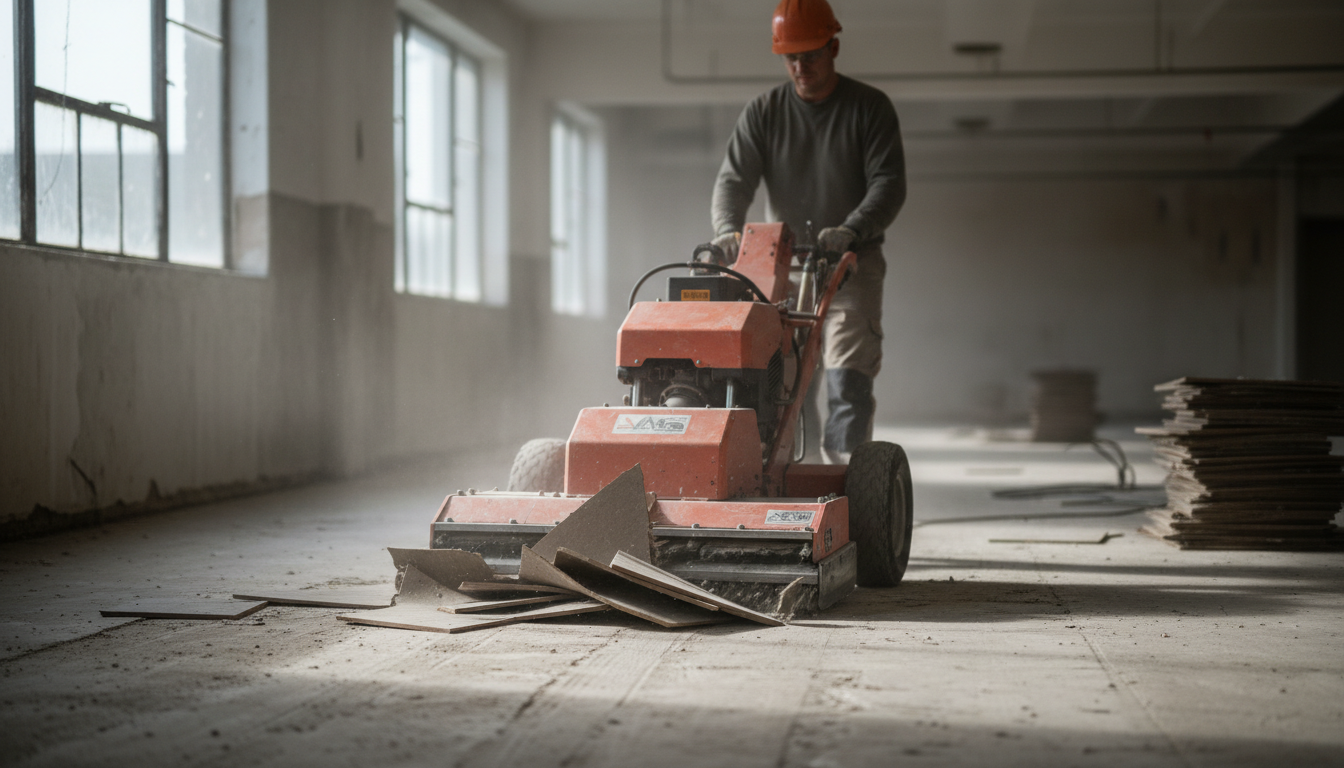
If you’re typing "floor removal near me" into your phone right now, you’re probably standing on a floor you’re tired of looking at. The direct answer: quality floor removal isn’t just ripping up old material — it’s a controlled process that protects your subfloor, manages dust, and sets up your new flooring to succeed. Skip a step, and you risk cracked concrete, mold surprises, or a subfloor that won’t hold your new planks flat.
We’ve walked into more than a few Ocala-area homes where a rushed tear-out left gouged concrete or hidden moisture damage. That’s the misconception worth clearing up early: floor removal is easy to do badly and surprisingly technical to do right. This guide walks you through what the process actually involves, what it costs, how long it takes, and the questions worth asking any floor removal company before they touch your home.
📌 Key Takeaways
- Professional floor removal protects your subfloor and controls dust — DIY tear-out often damages both.
- Basement floor removal and concrete floor removal require different tools than removing carpet or laminate.
- EZ Out and Lift Off floor removal systems speed up glue-down vinyl and tile removal significantly.
- Costs typically range from $1-$5 per square foot depending on flooring type and subfloor condition.
- Always confirm dust control, disposal, and subfloor inspection are included before signing a quote.
Jump to a section:
- What Professional Floor Removal Involves
- How to Find the Right Floor Removal Near Me
- Basement and Concrete Floor Removal Considerations
- Floor Removal Cost and Timeline
- Our Floor Removal Process
- Frequently Asked Questions
What Professional Floor Removal Involves
Quick Answer: Professional floor removal means safely detaching old flooring, disposing of debris, and prepping the subfloor — done correctly, it prevents damage that could cost far more to fix later.
Every flooring material comes up differently. Carpet and pad pull up quickly, while glued-down vinyl, ceramic tile, or old linoleum can bond so tightly that removal risks gouging the subfloor underneath. That subfloor — the structural layer beneath your visible flooring, usually plywood or concrete — has to stay intact for your new floor to lay flat.
Common Flooring Types We Remove
Homes across Marion and Alachua counties come with every flooring type imaginable, from 1970s glue-down tile in Ocala ranch homes to engineered hardwood in newer Gainesville builds. A qualified floor removal company assesses the material, the adhesive type, and the subfloor before choosing tools. Rushing this step is how amateur tear-outs end up cracking concrete slabs.
EZ Out and Lift Off Floor Removal Systems Explained
EZ Out floor removal and Lift Off floor removal refer to mechanical systems that use oscillating blades or floor scrapers to separate adhesive-bonded flooring from the substrate with minimal chipping. These tools matter most on glue-down vinyl plank and sheet vinyl, where hand scraping alone can take days and still leave adhesive residue behind. We’ve found these systems cut removal time nearly in half on typical vinyl jobs.
✅ Quick Tip: Ask your contractor which removal system they use on glue-down flooring — the right tool saves both time and subfloor damage.

How to Find the Right Floor Removal Near Me
Quick Answer: Look for a floor removal company that inspects your subfloor before quoting, controls dust during work, and hauls away debris — not just the lowest bid on the block.
A quick search for local removal help will surface plenty of names, but not all of them carry insurance, disposal permits, or dust-control equipment. For homeowners in Leesburg, Belleview, Summerfield, or Lady Lake, it pays to ask a few direct questions before signing anything.
Questions to Ask a Floor Removal Company
- Do you inspect the subfloor before quoting the job?
- How do you control dust, especially with tile or concrete work?
- Is debris disposal included in the price?
- What happens if you find moisture damage or mold underneath?
- Can you coordinate removal with new flooring installation?
💡 Expert Insight: The best floor removal quotes include a subfloor inspection clause. If moisture or rot shows up mid-project, you want a plan already agreed upon — not a surprise change order.
DIY vs. Professional Floor Removal
| Factor | DIY Removal | Professional Floor Removal |
|---|---|---|
| Time (average room) | 1-3 full weekends | 1 day |
| Dust control | Minimal | Vacuum-attached tools, containment |
| Subfloor damage risk | High, especially with glued tile | Low with proper equipment |
| Disposal | Your responsibility | Typically included |
| Cost | Lower upfront, higher risk | $1-$5/sq ft depending on material |
Homeowners who value long-term craftsmanship over the cheapest option usually land on professional removal once they see what’s under an old floor. It’s one thing to save a weekend; it’s another to discover a cracked slab after the fact.
Basement and Concrete Floor Removal Considerations
Quick Answer: Basement floor removal and concrete floor removal both demand heavier equipment and moisture testing that standard carpet or laminate tear-out doesn’t require.
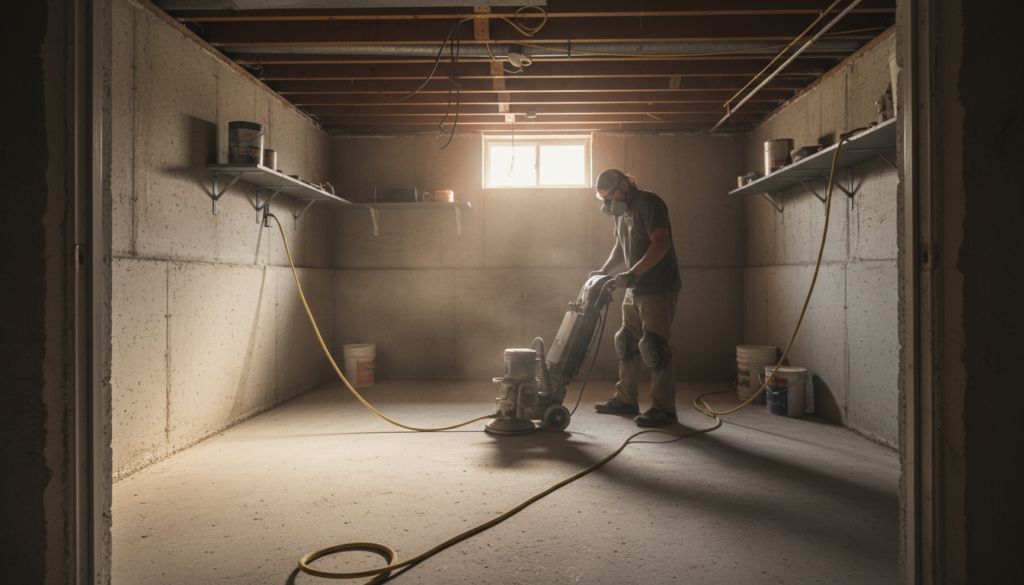
Concrete slabs hold onto adhesive, paint, and old tile mortar in ways that resist simple scraping. Removing flooring from a slab, whether in a basement or a ground-level Florida home, often means grinding or shot-blasting to reach a clean, level surface.
Why Concrete Removal Requires Special Equipment
Concrete floor removal typically involves diamond grinders or scarifiers to strip adhesive residue without gouging the slab. According to the Occupational Safety and Health Administration, grinding concrete generates respirable crystalline silica dust, which requires engineering controls like water suppression or HEPA vacuum attachments to keep workers and homeowners safe. This isn’t optional — it’s a documented health hazard with established exposure limits.
⚠️ Common Mistake: Dry-grinding concrete without dust suppression. It’s faster, but it fills your home with fine silica dust that lingers in HVAC systems for weeks.
Florida’s humidity adds another wrinkle. Because our region sits at high moisture levels for much of the year, a slab that tests wet after removal needs to dry and be sealed properly before new flooring goes down — otherwise you risk trapping moisture under vinyl or wood products later. We cover this in more depth in our guide on concrete damage during floor removal.
Floor Removal Cost and Timeline
Quick Answer: Most floor removal projects in our service area run $1 to $5 per square foot, and a typical single room takes one day when handled by an experienced crew.
Pricing depends heavily on material. Carpet removal sits at the lower end, while tile, hardwood, and concrete floor removal cost more because of labor time and disposal weight. Square footage, stair cases, and furniture moving also factor into the final number.
What Affects Your Final Quote
| Flooring Type | Typical Cost per Sq Ft | Notes |
|---|---|---|
| Carpet & pad | $0.50 – $1.50 | Fastest removal |
| Laminate/LVP (floating) | $1 – $2 | Minimal adhesive |
| Glued-down vinyl/tile | $2 – $4 | EZ Out/Lift Off tools help |
| Ceramic/porcelain tile | $3 – $5 | Heavier debris, mortar bed |
| Concrete coating/adhesive | $3 – $6 | Grinding equipment required |
📊 Data Point: According to the U.S. Environmental Protection Agency, renovations disturbing more than six square feet of painted surface in homes built before 1978 may require lead-safe work practices — worth asking about if your home predates that year.
Homeowners in Mount Dora, Eustis, and Tavares often ask why quotes vary so much between contractors. The honest answer: cheaper bids sometimes skip dust containment or disposal fees, then add them back later as change orders.
Our Floor Removal Process
Quick Answer: We inspect, protect adjacent surfaces, remove the old flooring with dust-minimized equipment, and confirm subfloor condition before any new material goes down.
Our crews start every job with a walk-through to identify flooring type, adhesive, and any visible moisture concerns. From there we seal off work areas and use vacuum-attached tools wherever possible — a method we detail in our post on fast, dust-minimized floor removal.
Once the old material and adhesive residue are cleared, we inspect the subfloor for rot, moisture, or unevenness before recommending next steps. This is also the point where many homeowners start browsing new flooring options — our flooring services page covers the full range of materials we install afterward, and our flooring removal page walks through the removal service itself in more detail.
💡 Expert Insight: If you’re remodeling a full kitchen or bathroom, coordinate removal and installation with one crew. We handle both through our kitchens and bathrooms remodeling teams, which keeps timelines tighter than juggling separate contractors.
We serve homeowners throughout Ocala, Gainesville, Belleview, Summerfield, Lady Lake, and Leesburg, and we’re always happy to talk through a project even if you’re just gathering quotes right now.

Frequently Asked Questions
How much does floor removal near me typically cost?
Most projects in our Central Florida service area run between $1 and $5 per square foot, depending on flooring type and whether concrete grinding is needed. Carpet is on the low end; tile and concrete floor removal cost more due to labor and disposal.
How long does professional floor removal take?
A single room usually takes about one day with an experienced crew, while whole-house projects can take three to five days. Basement floor removal and concrete floor removal sometimes add time for drying and moisture testing.
Can I remove old flooring myself before hiring a company?
You can, but glued-down tile, hardwood, or concrete coatings are risky to remove without the right tools and often lead to subfloor damage. Many floor removal companies, including ours, prefer to inspect the subfloor as part of the removal itself, so DIY prep can sometimes complicate the quote.
What’s the difference between EZ Out and Lift Off floor removal systems?
Both are mechanical removal systems designed to separate glued flooring from the substrate faster than manual scraping. The specific brand or model a crew uses matters less than whether they pair it with proper dust containment.
Does basement floor removal require different equipment than upstairs rooms?
Yes — basement floor removal is almost always concrete floor removal, which typically needs grinding equipment and moisture testing that upstairs wood-subfloor rooms don’t require. Basements also tend to hold more residual moisture, which affects timeline.
Is floor removal near me covered under a home renovation budget?
Most contractors quote removal separately from installation, though many bundle both into one project price. It’s worth asking your floor removal company for an itemized quote so you can see exactly what removal, disposal, and prep cost.
What should I do if mold or water damage is found during floor removal?
Work should pause so the area can be properly assessed and dried before new flooring goes down. A trustworthy floor removal company will flag this immediately rather than covering it up with new material.
Final Thoughts
Finding the right floor removal near me search result comes down to one thing: choosing a crew that treats removal as skilled prep work, not a quick demo job. Whether you’re dealing with basement floor removal, stubborn glue-down vinyl, or a concrete slab that needs grinding, the right tools and process protect your investment in the flooring that comes next.
Here’s how to move forward:
- Identify your current flooring type and note any visible moisture or unevenness.
- Get quotes from a floor removal company that includes subfloor inspection and dust control.
- Compare itemized pricing against the cost ranges above before committing.
- Coordinate removal and installation timing if you’re also planning a kitchen or bathroom remodel.
If you’re ready to talk through your project, request a free quote from Elite Floor Crafters and let’s plan your removal and new floor together.