PVC free vinyl flooring is a resilient floor covering made without polyvinyl chloride, the plastic resin traditionally used to make vinyl durable and waterproof. Instead, it relies on alternative polymers like polyurethane or bio-based composites to deliver the same waterproof performance without the chlorine-based chemistry. For homeowners in Ocala, Gainesville, and The Villages who want floors that look beautiful and breathe a little easier, that distinction matters more than most flooring brochures let on.
We get this question a lot at Elite Floor Crafters: "Isn’t all vinyl basically the same stuff?" Not quite. If you have young kids crawling on the floor, sensitive allergies, or you simply want to make a more thoughtful material choice for your home, understanding what’s actually in your flooring is worth ten minutes of reading.
📌 Key Takeaways
- PVC free vinyl flooring swaps polyvinyl chloride for alternative polymers, reducing chlorine-based plasticizers and phthalates.
- It’s a strong fit for Florida’s humidity, holding up well in kitchens, bathrooms, and lanais without off-gassing concerns.
- Look for FloorScore or GREENGUARD certification labels before buying, not just marketing claims.
- Pricing runs comparable to premium LVP, generally $4-$9 per square foot installed in our Central Florida service area.
- Professional installation matters as much as the material — poor subfloor prep can undo even the best PVC-free product.
Jump to a Section
- What Is PVC Free Vinyl Flooring?
- Why Central Florida Homeowners Are Choosing It
- Comparing PVC-Free, PVC-Free Laminate, and Standard LVP
- What to Look For When Buying
- Installation and Cost Considerations
- Is It Right for Your Home?
- FAQ
What Is PVC Free Vinyl Flooring?
Quick Answer: PVC free vinyl flooring is a resilient flooring category built from polyurethane, limestone composites, or bio-based resins instead of polyvinyl chloride plastic. It’s waterproof and durable, but manufactured without the chlorine chemistry and many plasticizers found in conventional vinyl.
Traditional vinyl plank and vinyl sheet flooring rely on PVC because it’s cheap, flexible, and water-resistant. But PVC production and disposal have drawn scrutiny from environmental and health researchers for decades, particularly around phthalates — softening chemicals added to make vinyl flexible. According to the EPA’s indoor air quality resources, certain flooring materials can contribute to indoor volatile organic compound (VOC) levels, which is one reason low-emission alternatives have gained traction.
How It Differs From Standard Vinyl
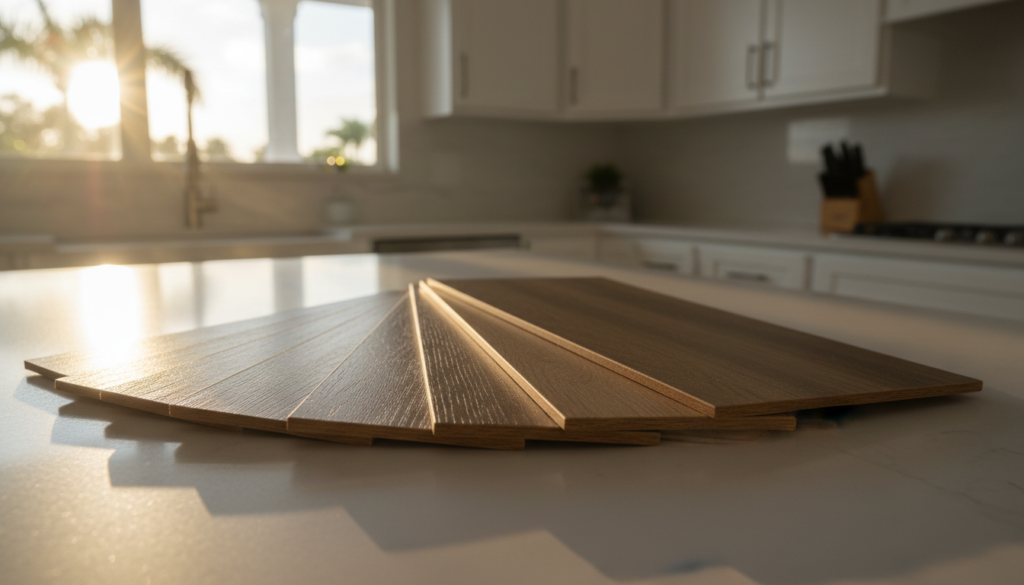
Standard luxury vinyl plank (LVP) is built in layers, usually a PVC core topped with a printed design layer and a wear layer. PVC-free versions replace that core with materials like SPC (stone plastic composite made without chlorine polymers) or WPC (wood plastic composite using polyurethane binders).
The look on the surface is nearly identical — you’d be hard-pressed to tell the difference by sight or footstep. The real difference is in the chemistry underneath, which shows up in lab testing rather than in the showroom.
✅ Quick Tip: Ask any flooring showroom for the product’s Safety Data Sheet (SDS). It will list the resin system used and confirm whether PVC is present.
Why Central Florida Homeowners Are Choosing PVC-Free Flooring
Quick Answer: Homeowners in Marion, Alachua, Lake, and Hernando counties are choosing PVC-free flooring for better indoor air quality, humidity resilience, and peace of mind in homes with kids, pets, or allergy sufferers.
We install a lot of resilient flooring in Ocala, Belleview, and Summerfield, and the conversation has shifted noticeably over the past couple of years. Homeowners aren’t just asking about scratch resistance anymore — they’re asking what’s actually in the product.
Health and Indoor Air Quality Concerns
Phthalates, the chemical plasticizers common in conventional vinyl, have been studied by health agencies for potential hormone-disrupting effects. The CPSC’s guidance on phthalates outlines restrictions already in place for certain consumer products, which has pushed manufacturers toward reformulated, PVC-free resins.
For a family in Gainesville with a newborn or a retiree in The Villages managing respiratory sensitivities, lower off-gassing potential isn’t a luxury — it’s a genuine quality-of-life factor. Florida’s year-round AC use also means indoor air recirculates constantly, so what’s in your flooring matters more here than in a climate with open windows most of the year.
💡 Expert Insight: In our showroom visits across Leesburg and Mount Dora, we’ve noticed buyers increasingly bring printed certification sheets with them — a sign this is no longer a niche request.
📊 Data Point: According to UL’s GREENGUARD certification program, products meeting Gold-level standards are tested against more than 360 VOCs, including formaldehyde, to qualify for the label.
Comparing PVC-Free, PVC-Free Laminate, and Standard LVP
Quick Answer: PVC-free vinyl, PVC-free laminate, and standard LVP all handle moisture and traffic differently, so the right pick depends on the room, your budget, and how strict your material preferences are.
Side-by-Side Comparison
| Feature | Standard PVC Vinyl | PVC Free Vinyl Flooring | PVC Free Laminate |
|---|---|---|---|
| Core material | PVC resin | Polyurethane/SPC composite | Fiberboard with PVC-free wear layer |
| Water resistance | Excellent | Excellent | Good, not fully waterproof |
| Typical VOC profile | Higher potential | Lower potential | Lower potential |
| Best rooms | Kitchens, baths, whole home | Kitchens, baths, whole home | Bedrooms, living areas |
| Approx. installed cost | $3-$6/sq ft | $4-$9/sq ft | $4-$7/sq ft |
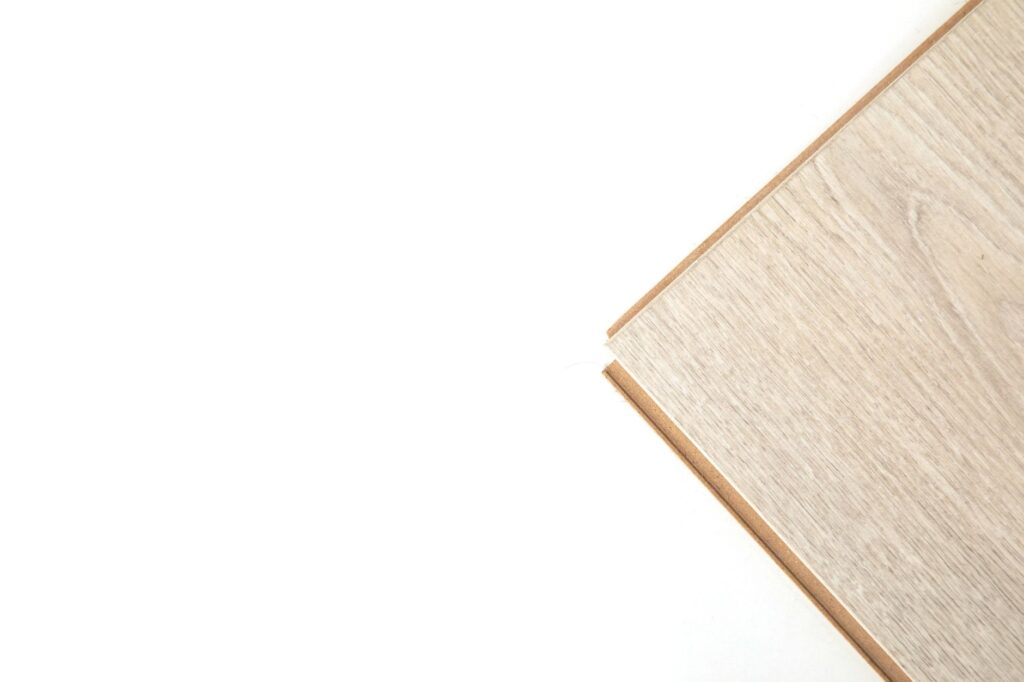
PVC free laminate is worth a mention because it’s often confused with PVC-free vinyl. Laminate uses a compressed wood-fiber core rather than a plastic core, so while it can skip PVC entirely, it isn’t as waterproof — a real consideration for a Spring Hill bathroom or a Dunnellon laundry room.
⚠️ Common Mistake: Assuming any product labeled "eco" or "green" is automatically PVC-free. Always verify with the SDS or certification label rather than the marketing copy on the box.
What to Look For When Buying PVC-Free or Wholesale PVC-Free Flooring
Quick Answer: Verify certifications, ask about the resin system by name, and confirm wear-layer thickness before buying PVC-free or wholesale PVC-free flooring for a whole-house project.
If you’re outfitting an investment property or renovating multiple rooms across a Belleview or Ocklawaha home, wholesale PVC-free flooring pricing becomes relevant. Buying in bulk can lower per-square-foot costs, but it also raises the stakes if the product doesn’t perform as expected.
Certifications and Labels That Matter
Two labels are worth learning: FloorScore, which certifies low VOC emissions for hard surface flooring, and GREENGUARD Gold, which sets a stricter emissions bar often required for schools and healthcare settings. Products carrying either mark have been independently tested, not just self-declared.
We also recommend asking your contractor directly whether the core is PVC-free by chemistry, not just "eco-friendly" by marketing description. A reputable supplier should answer that question without hesitation.
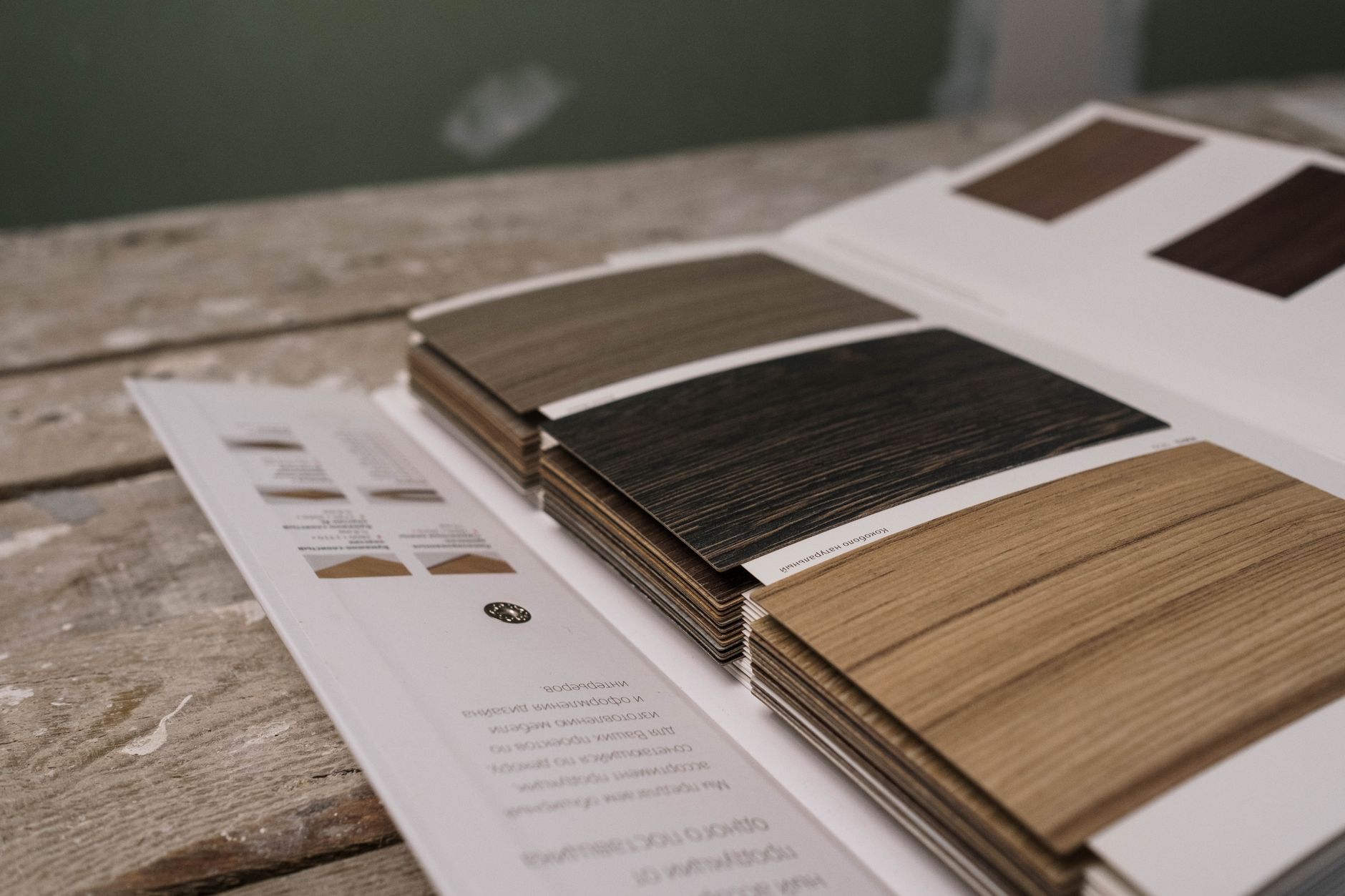
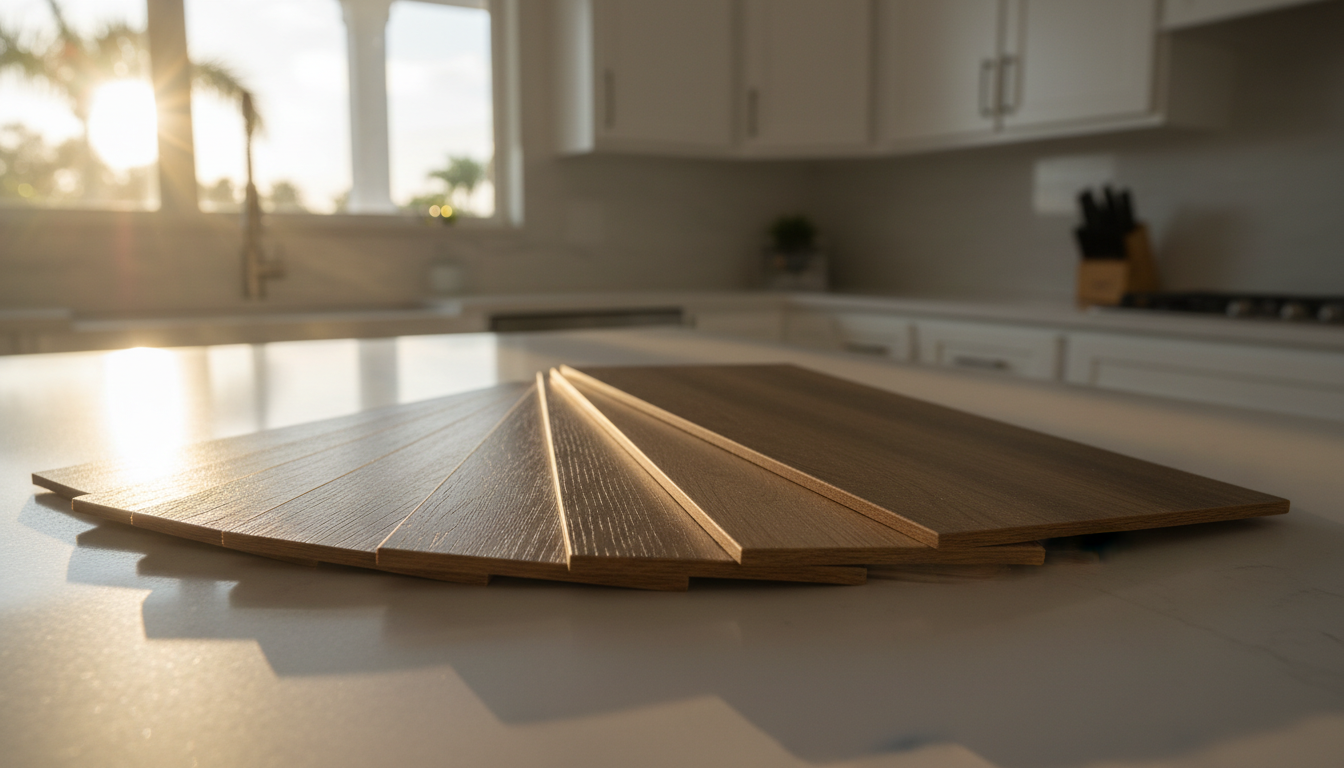
✅ Quick Tip: Request a physical sample and let it sit in your actual room for a few days. Lighting in a Clermont sunroom looks very different than a showroom under fluorescent bulbs.
Installation and Cost Considerations in Ocala, The Villages, and Beyond
Quick Answer: PVC-free vinyl flooring costs slightly more than standard vinyl but installs similarly, and proper subfloor prep matters more to long-term performance than the brand you choose.
We’ve installed PVC-free flooring across Marion and Lake counties, from full kitchen remodels in Eustis to whole-home flooring replacements in Fruitland Park. One thing experience has taught us: the material is only half the equation.
Subfloor Prep and Humidity Management
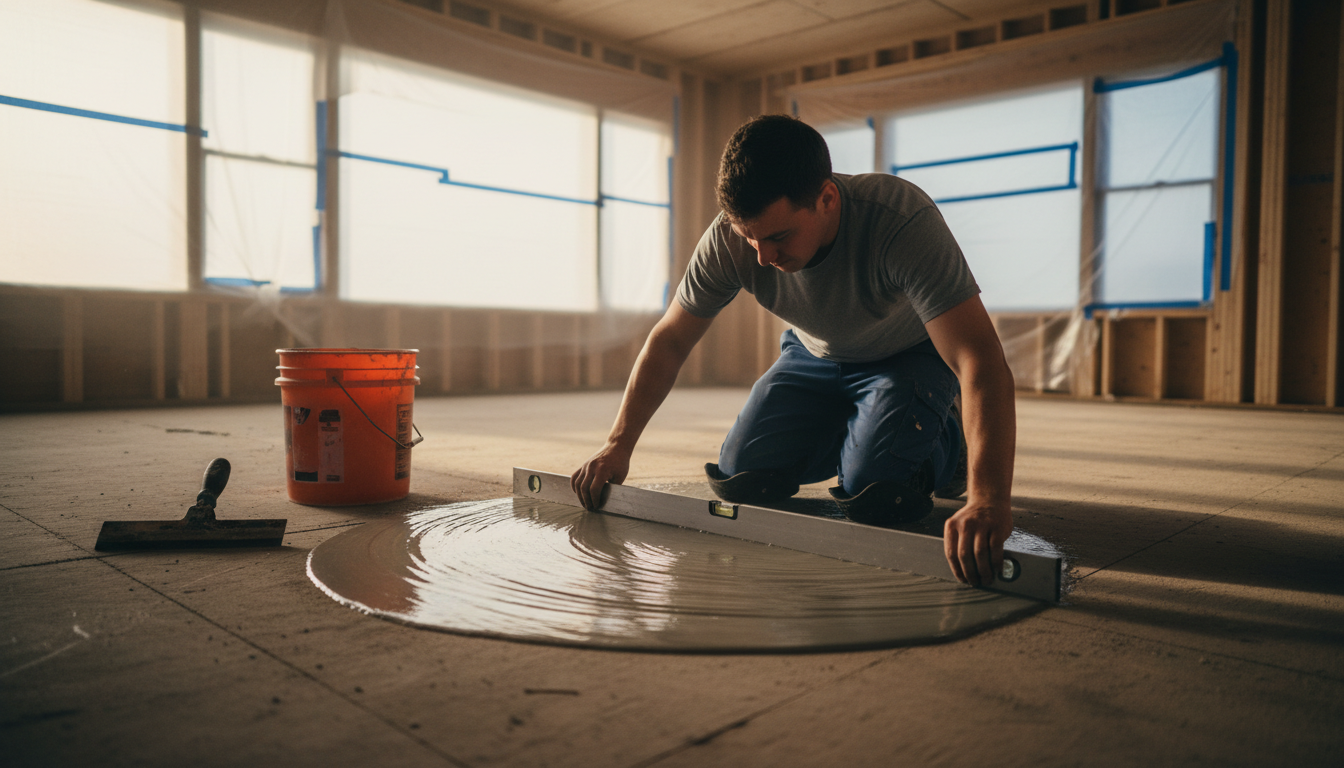
Florida’s humidity means moisture testing and proper acclimation of planks before installation aren’t optional steps — they’re what keeps floors from buckling months later. A rushed installer skipping this step can undermine even a premium, well-certified product.
| Project Factor | DIY Approach | Professional Installation |
|---|---|---|
| Subfloor moisture testing | Often skipped | Standard practice |
| Warranty validity | Frequently voided | Typically preserved |
| Time to complete (avg. room) | 2-4 weekends | 1-2 days |
| Risk of buckling/gaps | Higher | Lower |
💡 Expert Insight: We’ve been called into more than one Leesburg home to fix a DIY vinyl install where the moisture barrier was skipped entirely — a costly redo that a short conversation upfront could have prevented.
If you’re weighing this material against other resilient options for Florida’s climate, our guide on the best LVP for Florida’s climate breaks down performance differences room by room.
Is PVC Free Vinyl Flooring Right for Your Home?
Quick Answer: PVC-free vinyl flooring is a strong fit if you prioritize indoor air quality, have family members with chemical sensitivities, or simply want a more thoughtfully sourced material without giving up durability.
It’s not a magic fix for every situation. Budget-driven projects or high-traffic rental properties may still lean toward standard LVP for cost reasons, and that’s a legitimate call — not every homeowner needs the strictest material standard for every room.
What we tell clients across Gainesville, Alachua, and Newberry is simple: decide based on how the room is used and who uses it most. A nursery or primary bedroom is a great candidate; a rarely used garage flex space, less so.
📊 Data Point: The Resilient Floor Covering Institute and EPA both note that proper ventilation during and immediately after any flooring installation reduces short-term VOC exposure, regardless of material choice.
For a deeper dive into eco-conscious options beyond vinyl, our post on eco-friendly PVC-free flooring picks for 2026 covers additional brands and finishes. And if you’re planning a full remodel, our kitchens and bathrooms pages show how flooring choices tie into the bigger design picture.
FAQ
Is PVC free vinyl flooring actually waterproof?
Yes, most PVC-free vinyl flooring uses polyurethane or stone-composite cores that are fully waterproof, performing similarly to standard PVC vinyl in kitchens and bathrooms.
What is the difference between PVC free flooring and PVC free laminate?
PVC free flooring typically refers to waterproof vinyl-style planks with a non-PVC core, while PVC free laminate uses a wood-fiber core that resists moisture but isn’t fully waterproof.
Does wholesale PVC-free flooring cost less than retail?
Buying wholesale PVC-free flooring can lower per-square-foot pricing on larger projects, though savings depend on the supplier, order volume, and whether installation is bundled in.
How do I know if a flooring product is truly PVC-free?
Check for a Safety Data Sheet listing the resin type, or look for third-party certifications like FloorScore or GREENGUARD, since marketing terms like "eco" aren’t regulated claims.
Is PVC-free flooring worth it in a humid Florida climate?
Yes, quality PVC-free vinyl performs well in Florida’s humidity when installed with proper moisture testing and acclimation, holding up in kitchens, bathrooms, and lanais.
Can PVC-free flooring be installed over existing tile or concrete?
In most cases yes, provided the subfloor is level, clean, and properly moisture-tested; our team evaluates this during every in-home estimate.
Are PVC-free floors more expensive than standard vinyl?
Generally PVC-free options run slightly higher, often $1-$3 more per square foot installed, reflecting the alternative resin systems and certification testing involved.
Bringing It Home
PVC free vinyl flooring gives homeowners across Ocala, Gainesville, and The Villages a genuine middle ground: the durability and waterproofing of vinyl, without the chlorine-based chemistry that’s raised health questions for decades. It costs a bit more than standard vinyl, but for families prioritizing indoor air quality, that difference is easy to justify. As with any flooring decision, the material matters — but so does the installer behind it.
- Identify which rooms matter most for low-VOC performance (nurseries, primary suites, main living areas).
- Request samples and certification documentation from your supplier before committing.
- Schedule an in-home moisture and subfloor assessment.
- Compare installed pricing against your project budget using our flooring services page.
Ready to see PVC-free samples in your own lighting? Request a free quote from Elite Floor Crafters and let’s talk through the right fit for your home.