When you search for elite flooring near me, you’re really asking one question: who will do this job right, the first time? Too many Central Florida homeowners learn the hard way that a low bid often means rushed subfloor prep, mismatched seams, or a crew that vanishes mid-project. The direct answer is this: true elite flooring work combines certified installation standards, materials matched to Florida’s humidity, and a contractor who treats your home like their own.
We’ve spent years crafting floors for families across Marion, Alachua, Lake, and Hernando counties, and the pattern is always the same. Homeowners who research before hiring end up happier, and those who chase the cheapest quote often pay twice. This guide breaks down what separates genuine craftsmanship from a rushed job, so your next flooring decision holds up for decades, not just a season.
📌 Key Takeaways
- True elite flooring specialists inspect subfloor moisture before quoting any job.
- Luxury vinyl plank and engineered hardwood both perform well in Central Florida’s humidity, but each has trade-offs.
- Ask any contractor for proof of licensing through Florida’s DBPR before signing.
- Kitchens and bathrooms need different moisture ratings than living spaces — don’t use one product everywhere.
- A written warranty and a real showroom or portfolio are non-negotiable trust signals.
Jump to a Section
- What Makes a Search for Elite Flooring Different
- Elite Flooring Specialists vs. Big-Box Retailers
- Best Elite Flooring Options for Our Climate
- Kitchens, Bathrooms, and Whole-Home Considerations
- How to Choose the Right Contractor
- FAQ
What Makes a Search for Elite Flooring Different
Quick Answer: Elite flooring isn’t a brand name — it’s a standard of preparation, material selection, and finish work that most budget installers skip. It shows up in level subfloors, tight seams, and finishes that survive Florida humidity for years.
Craftsmanship Standards to Look For
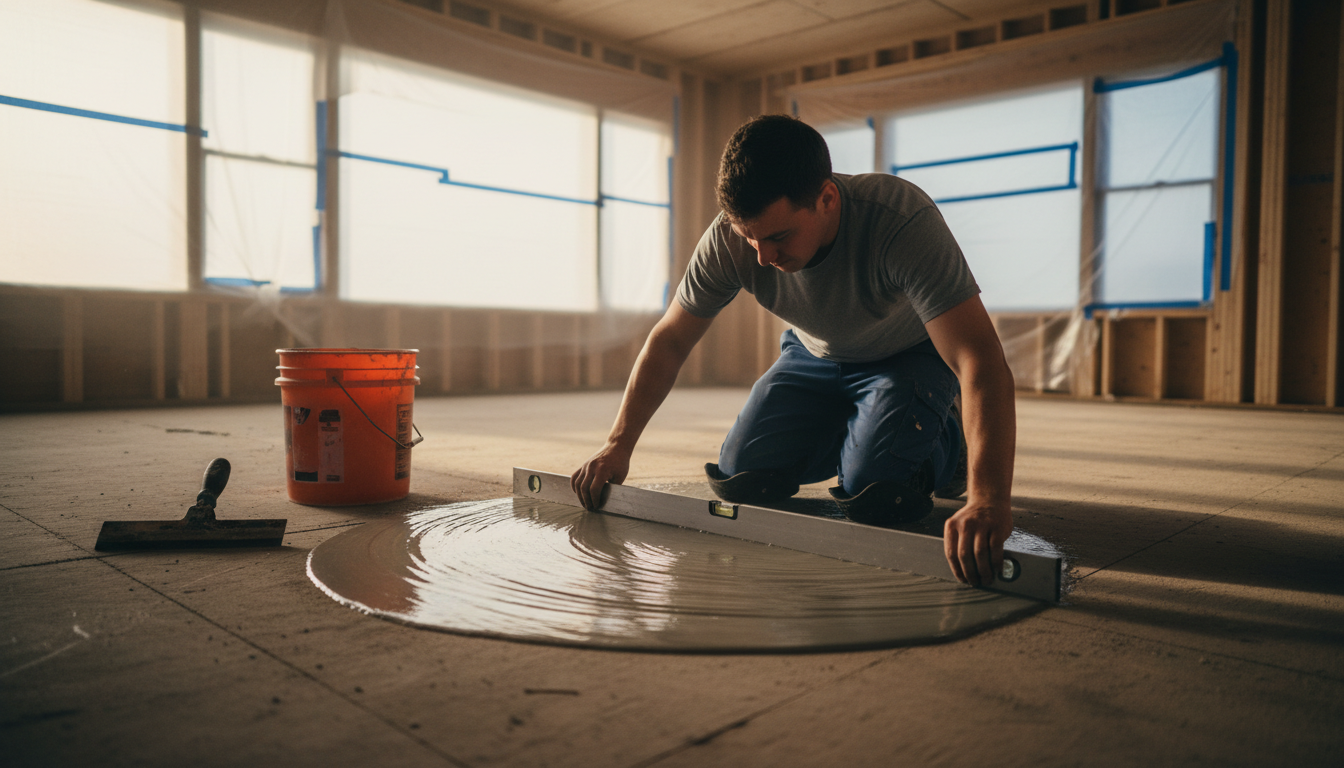
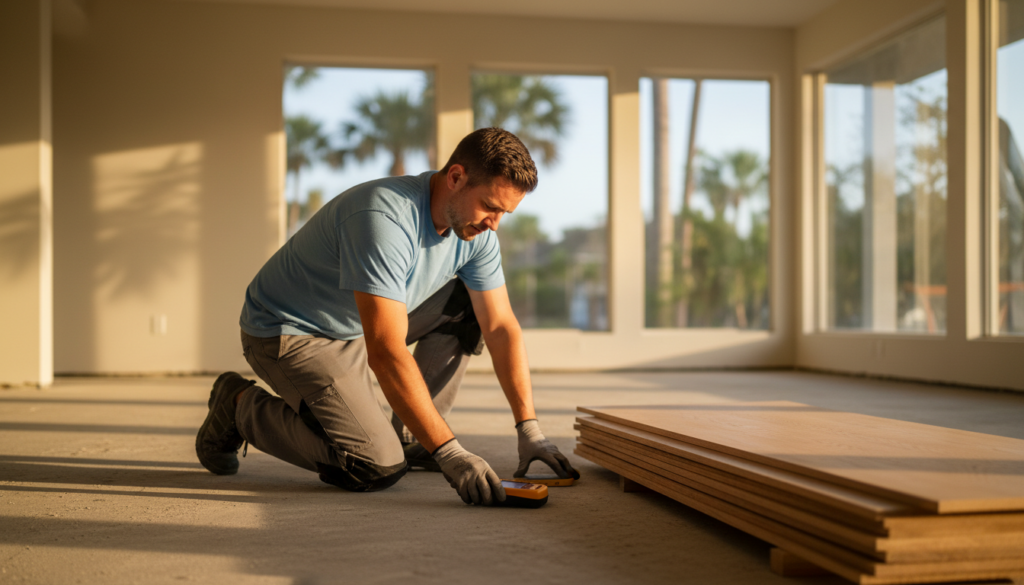
A genuine flooring specialist starts with a moisture test, not a tape measure. Concrete slabs across Ocala and Gainesville often carry more moisture than homeowners expect, and skipping this step can warp new floors within months. According to the National Wood Flooring Association, moisture testing is a foundational step before any wood or engineered installation.
Proper acclimation matters too. Flooring materials need time indoors to adjust to your home’s temperature and humidity before installation begins. Rushing this step is one of the most common causes of buckling or gapping we see on repair calls.
⚠️ Common Mistake: Hiring based on price alone and skipping the subfloor inspection. This single shortcut causes more callbacks than any material defect we’ve encountered.
Elite Flooring Specialists vs. Big-Box Retailers
Quick Answer: Big-box stores sell materials and subcontract installation to whoever is available that week. Elite flooring specialists employ or vet their own crews, stand behind the finished work, and can adjust design on the spot.
| Factor | Big-Box Retailer | Elite Flooring Specialists |
|---|---|---|
| Installer accountability | Subcontracted, variable quality | Vetted or in-house crews |
| Material guidance | Generic, one-size-fits-all | Matched to your home’s moisture and traffic |
| Design input | Limited | Custom layout and transitions |
| Warranty clarity | Often split between store and installer | Single point of contact |
| Local knowledge | Minimal | Familiar with Central Florida humidity and slab conditions |
Where Craftsmanship Actually Shows Up
It’s rarely visible on day one. Craftsmanship shows up two years later, when transitions haven’t separated and seams haven’t opened. A homeowner in Leesburg once told us she chose a big-box quote first, then called us back eight months later when the vinyl started curling at the doorways.
💡 Expert Insight: Ask to see a completed job that’s at least two years old, not just a fresh install photo. Aged work tells you far more than a showroom sample ever will.
Best Elite Flooring Options for Our Climate
Quick Answer: Luxury vinyl plank (LVP) and engineered hardwood are the two strongest performers for Central Florida’s heat and humidity, though tile still wins in bathrooms and entryways.
Matching Material to Your Home
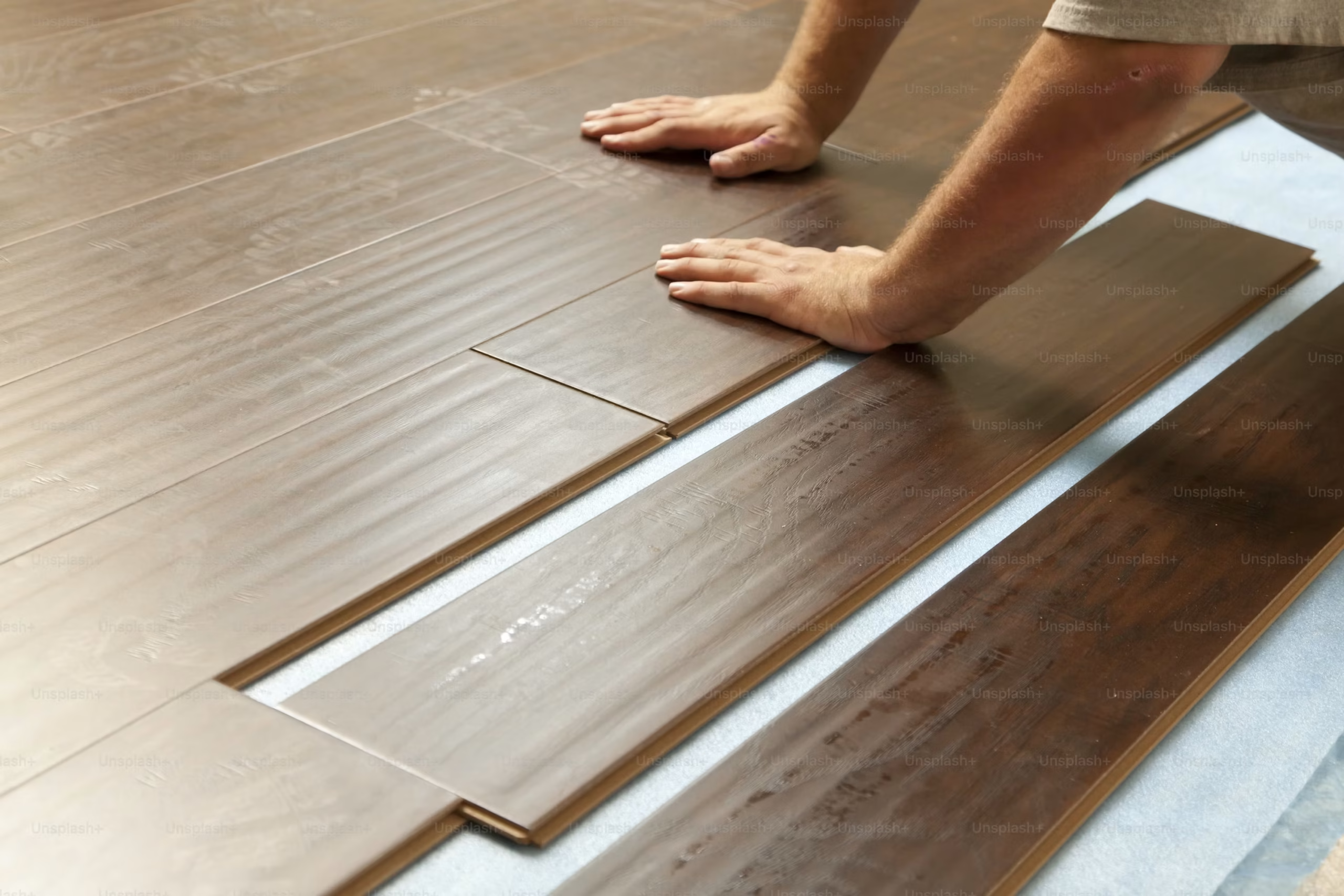
LVP has become the go-to choice for homeowners in Ocala, Mount Dora, and Lady Lake because it resists moisture and temperature swings better than solid hardwood. Our own Ocala LVP guide covers how the wear layer thickness affects long-term durability.
Engineered hardwood still appeals to homeowners who want the warmth of real wood without the movement problems solid hardwood faces in Florida’s climate. If you’re weighing the two, our comparison of hardwood versus luxury vinyl plank breaks down cost, maintenance, and resale value side by side.
| Material | Humidity Resistance | Typical Lifespan | Best Rooms |
|---|---|---|---|
| Luxury Vinyl Plank | Excellent | 15-25 years | Living areas, kitchens, whole-home |
| Engineered Hardwood | Good | 20-30 years | Living rooms, dining rooms |
| Porcelain Tile | Excellent | 25+ years | Bathrooms, entryways |
| Solid Hardwood | Fair (needs climate control) | 30+ years with refinishing | Formal living spaces only |
📊 Data Point: The EPA notes that indoor humidity above 60% accelerates material degradation and mold risk, which is why acclimation and proper underlayment matter so much in our region.
Kitchens, Bathrooms, and Whole-Home Considerations
Quick Answer: Not every flooring product belongs in every room. Kitchens and bathrooms need higher moisture resistance and slip protection than bedrooms or living rooms.
Why Room-Specific Flooring Matters
A kitchen remodel brings its own flooring demands: grease, dropped pans, standing water near the sink. Our kitchens page walks through the waterproof core options that hold up under daily cooking traffic.
Bathrooms are even less forgiving. Steam, splashes, and constant humidity mean tile or waterproof LVP almost always outperforms wood-look products. If you’re planning a remodel, our bathrooms page covers slip ratings and grout options homeowners in Gainesville and Summerfield ask about most.
✅ Quick Tip: If a single product will run through an open-concept kitchen and living area, choose the option rated for the wettest room in that path, not the driest.
Homeowners planning a larger renovation often want the whole project — flooring, cabinetry, and layout — coordinated by one team. That’s usually where the phrase "elite flooring and design" comes up in searches, because piecing together separate vendors rarely produces a cohesive result.
How to Choose the Right Elite Flooring Contractor
Quick Answer: Verify licensing, ask for a written warranty, and request references from jobs at least a year old before you sign anything.
Questions to Ask Before You Hire
- Are you licensed and insured under Florida’s contractor requirements?
- Who performs the actual installation — employees or rotating subcontractors?
- What warranty covers both materials and labor, and for how long?
- Can I see a project completed in my area at least a year ago?
- How do you handle unexpected subfloor damage discovered mid-project?
You can confirm any Florida contractor’s license status directly through the Florida Department of Business and Professional Regulation. This single step weeds out unlicensed operators fast.
⚠️ Common Mistake: Signing a contract that doesn’t specify who’s responsible if hidden subfloor damage is found once old flooring is removed. Our floor removal guide explains why this clause matters more than most homeowners realize.
Once you’ve narrowed your list, request itemized quotes rather than lump-sum estimates. A detailed breakdown shows whether the crew accounted for underlayment, transitions, and disposal, or whether those costs will surface later as change orders.

FAQ
How do I find elite flooring near me in Ocala or Gainesville?
Start by checking Florida’s DBPR license lookup, then ask for two references from jobs completed at least a year ago. A contractor confident in their work will offer this without hesitation.
What’s the difference between elite flooring specialists and a regular flooring store?
Specialists typically manage design, material selection, and installation as one accountable team, while a store often just sells product and outsources installation. That distinction affects both quality and warranty clarity.
Is luxury vinyl plank really better than hardwood for Central Florida homes?
For most living areas, yes — LVP resists humidity swings better than solid hardwood. Engineered hardwood is a middle-ground option if you want a wood look with more stability than solid planks.
How much does a professional flooring installation typically cost in Marion and Lake counties?
Costs vary by material and square footage, but our Florida flooring ROI guide breaks down typical price ranges and what adds resale value. Getting an itemized quote is the best way to know your specific number.
Do elite flooring contractors handle both removal and installation?
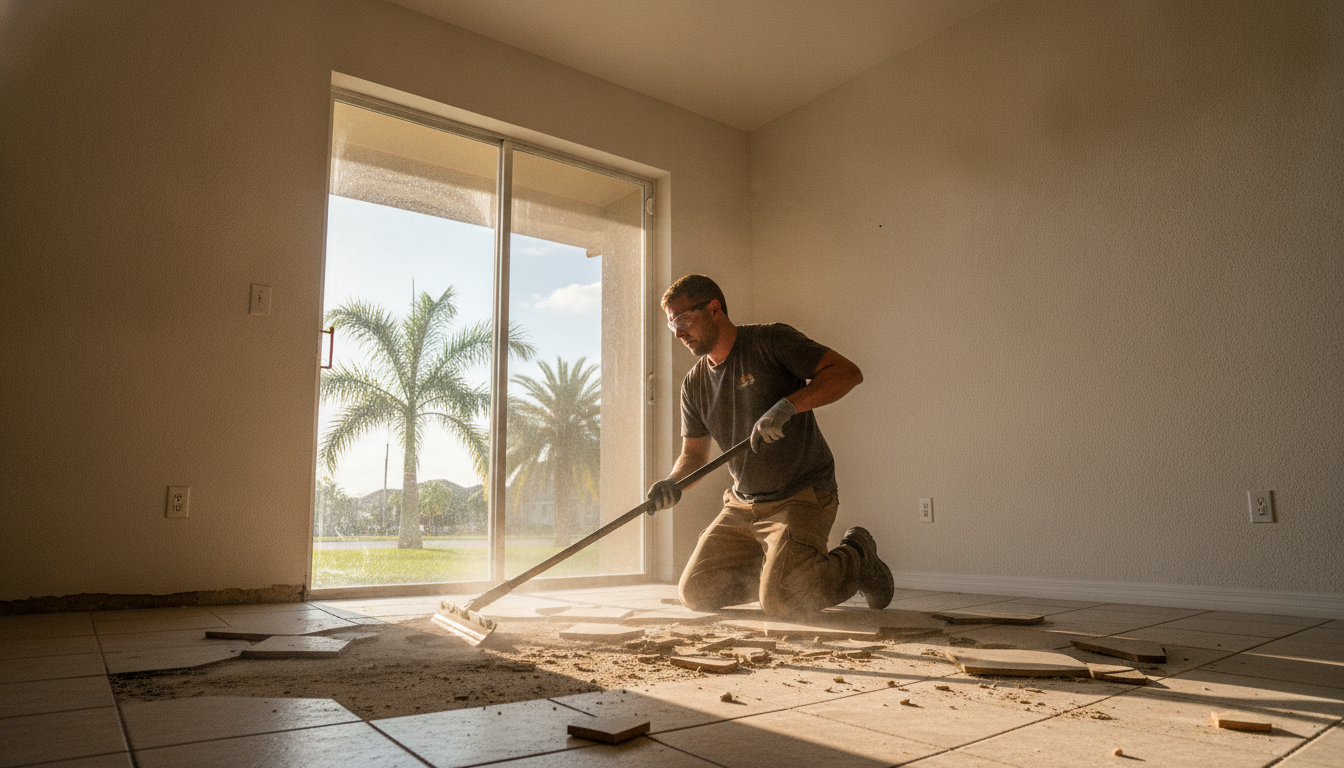
Most reputable specialists handle the full process, from removing old flooring and checking the subfloor to installing and finishing the new surface. Ask upfront whether removal and disposal are included in the quote.
What should I ask before hiring a flooring contractor near Leesburg or Mount Dora?
Ask about licensing, warranty terms, and whether the same crew performs the work from start to finish. Request to see a project at least a year old so you can judge how the flooring has held up.
How long does a typical whole-home flooring project take?
Most single-story homes take one to two weeks depending on square footage, material, and whether old flooring needs removal first. Kitchens and bathrooms can add extra days for waterproofing and detail work around cabinetry.
Ready to Move Forward
Finding elite flooring near me doesn’t have to mean guesswork or a stressful string of unanswered calls. The homeowners who end up happiest are the ones who verify licensing, ask pointed questions, and choose materials matched to Florida’s climate rather than whatever’s on sale. Craftsmanship shows up years later, and that’s exactly the standard worth holding your contractor to.
Here’s how to move forward with confidence:
- Check your contractor’s license through Florida’s DBPR lookup.
- Compare LVP, engineered hardwood, and tile against the rooms you’re updating.
- Ask for a project reference at least a year old.
- Get an itemized, room-by-room quote before signing anything.
- Schedule a walkthrough to discuss design and material options in person.
If you’re ready to see these standards applied to your own home, request a free quote and let’s talk through what your space needs.