Plastic-free flooring is any floor covering made without PVC, vinyl, or synthetic polymer content that off-gasses chemicals into your home. If you’ve noticed a chemical smell after a flooring install, or you’re simply trying to raise a family in a cleaner indoor environment, this shift matters more than you might think. Homeowners across Marion and Lake counties are asking us the same question this year: can I get a floor that looks premium without the plastic baggage? The short answer is yes, and we’ll walk you through exactly how.
📌 Key Takeaways
- Plastic-free flooring means no PVC, vinyl, or synthetic polymer wear layers — think solid hardwood, natural stone, cork, and certain tile options.
- Look for FloorScore or GREENGUARD certification labels to confirm low-VOC (volatile organic compound) claims before you buy.
- Solid hardwood and natural tile typically cost more upfront but often outlast plastic-based products by decades.
- Ocala and Gainesville-area humidity means proper acclimation and installation technique matter as much as material choice.
- Always ask your flooring contractor for third-party test data, not just marketing language, when a product claims to be pollutant-free.
Jump to a section:
- What Plastic-Free Flooring Actually Means
- Why Homeowners Are Making the Switch
- Best Plastic-Free Flooring Materials Compared
- What It Costs in Central Florida
- How to Verify a Floor Is Truly Low-VOC
- Installation Considerations for Florida Homes
- Frequently Asked Questions
What Plastic-Free Flooring Actually Means
Quick Answer: Plastic-free flooring skips PVC, vinyl, and synthetic wear layers entirely, relying instead on natural or mineral-based materials like wood, cork, and tile. It’s a narrower category than "eco-friendly," which can still include recycled plastics.
Many products marketed as "green" still contain plastic — recycled vinyl plank is a good example. True plastic-free flooring goes a step further by removing polymer content altogether. That distinction matters if your primary concern is indoor air quality rather than recyclability alone.
Common Materials That Qualify
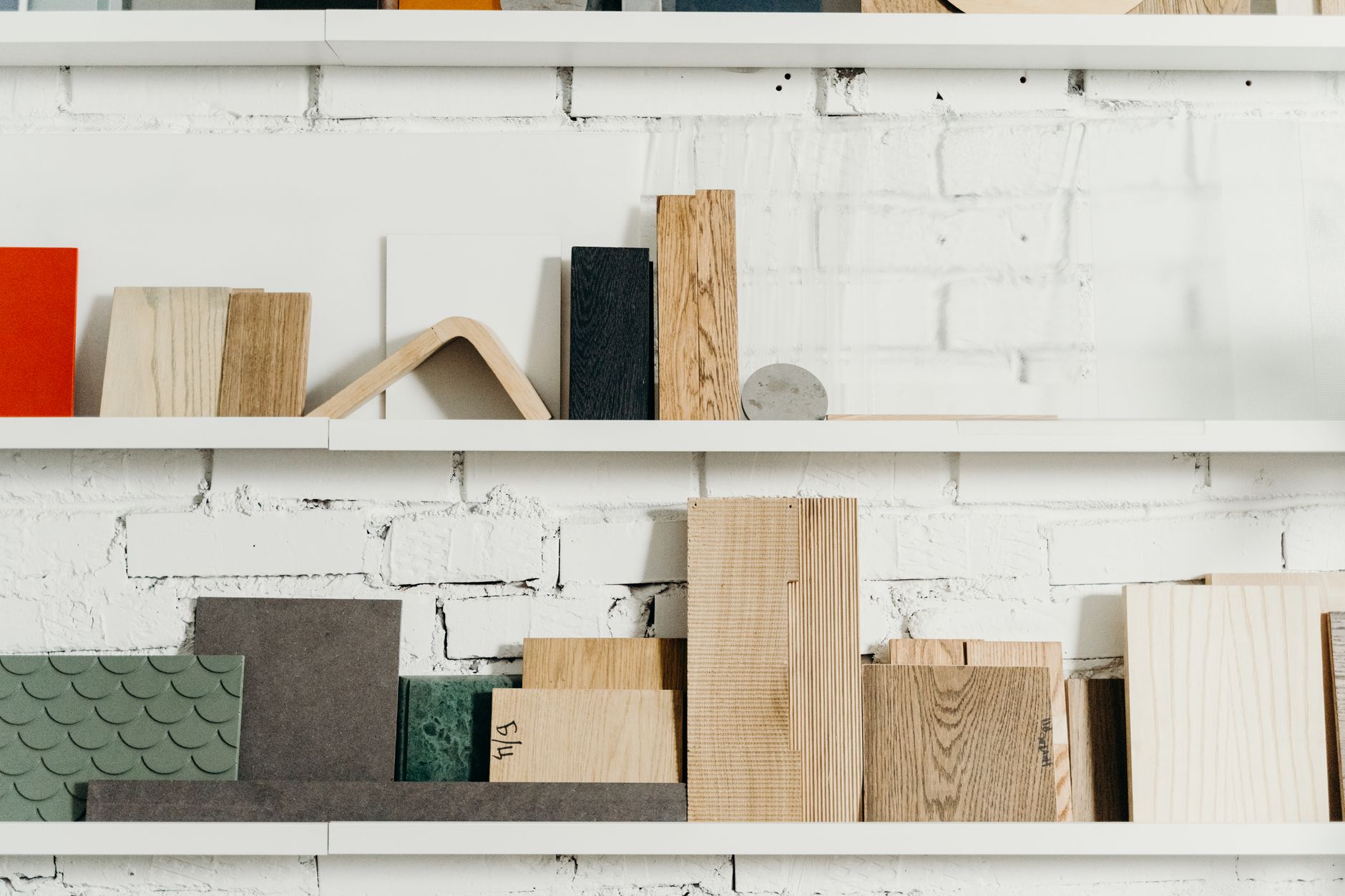
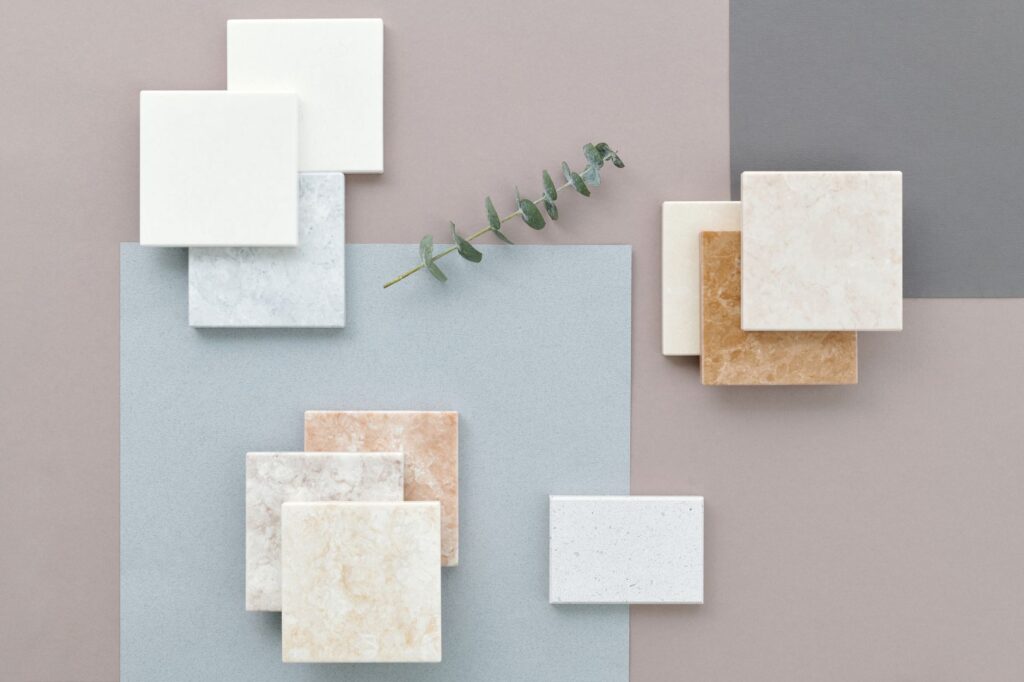
Solid hardwood, engineered wood with natural veneers, cork, linoleum (made from linseed oil, not vinyl), natural stone, and ceramic or porcelain tile all fall into this category. Each brings its own maintenance profile, so the "best" choice depends on the room and your household’s habits.
⚠️ Common Mistake: Homeowners often assume "linoleum" and "vinyl" are interchangeable terms. They’re not — linoleum is a natural, plastic-free product, while vinyl (LVP/LVT) is petroleum-based plastic. Confusing the two is the single most common mix-up we hear in the showroom.
Why Homeowners Are Making the Switch
Quick Answer: Families choose plastic-free flooring primarily for indoor air quality, durability, and long-term value — not just aesthetics. It’s a decision rooted in health and craftsmanship, not a passing trend.
According to the U.S. EPA’s indoor air quality resources, indoor air can carry pollutant concentrations higher than outdoor air, and building materials are a recognized contributor. Volatile organic compounds, or VOCs, are chemicals that evaporate at room temperature and can trigger headaches, respiratory irritation, or worse with prolonged exposure, as detailed by the EPA’s VOC guidance. Plastic-based flooring is one of the more common VOC sources in a renovated home.
A Real Conversation From Our Showroom
A client in Belleview came to us last year after her son’s asthma symptoms worsened following a vinyl plank install elsewhere. We walked her through solid oak and porcelain tile options, both essentially pollutant-free once cured, and she reported noticeably less odor within days. That’s anecdotal, not clinical, but it’s the kind of feedback that keeps us recommending natural materials when health is a stated priority.
💡 Expert Insight: Even low-VOC products need proper ventilation during and immediately after installation. Opening windows for 48-72 hours post-install is standard practice we recommend regardless of material.
Best Plastic-Free Flooring Materials Compared
Quick Answer: Solid hardwood and tile offer the strongest plastic-free performance for Florida’s humidity, while cork and linoleum suit lower-traffic rooms where softness and warmth matter more.
| Material | Plastic-Free | Best For | Florida Humidity Fit | Typical Lifespan |
|---|---|---|---|---|
| Solid Hardwood | Yes | Living rooms, bedrooms | Moderate — needs climate control | 30-100 years |
| Porcelain/Ceramic Tile | Yes | Kitchens, bathrooms, entries | Excellent | 50+ years |
| Natural Stone | Yes | Foyers, high-end baths | Excellent | Lifetime |
| Cork | Yes | Home offices, playrooms | Good with sealing | 15-25 years |
| Linoleum | Yes | Kitchens, utility rooms | Good | 25-40 years |
| Luxury Vinyl Plank (LVP) | No | Budget-conscious remodels | Excellent | 10-20 years |
If you’re weighing tile against wood-look alternatives, our best LVP for Florida’s climate guide breaks down where vinyl still makes sense despite the plastic content — some budgets and use-cases genuinely call for it.
Where Plastic-Free Falls Short
Honesty matters here: solid hardwood is more vulnerable to Florida’s humidity swings than engineered products with synthetic layers, and natural stone requires periodic sealing. Plastic-free doesn’t automatically mean maintenance-free, and we tell every client that upfront.
📊 Data Point: The EPA’s Safer Choice program notes that products meeting stricter chemical safety criteria often undergo third-party review — a useful benchmark when comparing flooring brands’ sustainability claims.
What It Costs in Central Florida
Quick Answer: Expect to pay roughly 20-40% more upfront for plastic-free materials compared to standard LVP, though lifetime cost often evens out due to longevity.
Solid hardwood installed in an Ocala or Gainesville home typically runs higher per square foot than vinyl plank, largely due to material cost and installation labor. Tile falls in a similar range, with natural stone at the top of the price spectrum. Our flooring collections page shows current material options so you can compare against your project budget before committing.
Budgeting Realistically
We encourage clients in Leesburg, The Villages-adjacent communities, and Mount Dora to think in terms of cost-per-year rather than cost-per-square-foot. A tile floor that lasts 50 years often beats a cheaper plastic product replaced three times over that span.
✅ Quick Tip: Ask for a written cost comparison over 10, 20, and 30 years — not just the initial quote — before choosing between plastic-free and plastic-based materials.
How to Verify a Floor Is Truly Low-VOC
Quick Answer: Look for FloorScore certification, GREENGUARD Gold labeling, or manufacturer test sheets showing VOC emissions below recognized thresholds. Marketing claims alone aren’t proof.
Certification programs test finished products in controlled chambers and compare emissions against established limits. The U.S. Green Building Council recognizes several of these certifications within its LEED framework, which gives homeowners a credible, third-party reference point rather than relying on a brand’s own claims.
Questions to Ask Your Contractor
- Can you show me the product’s VOC test data or certification label?
- Is the adhesive or underlayment also low-VOC, not just the flooring surface?
- How long should we ventilate the space after installation?
- Does this product contain any recycled plastic content despite "natural" branding?
⚠️ Common Mistake: Some products are certified low-VOC for the flooring itself but installed with high-VOC adhesives, which defeats the purpose. Always ask about the full system, not just the plank or tile.
For a deeper dive into a closely related category, our PVC-free flooring guide for 2026 covers additional certifications and brand-specific comparisons.
Installation Considerations for Florida Homes
Quick Answer: Humidity control, subfloor prep, and acclimation time matter more with plastic-free materials than with synthetic ones, since wood and cork respond to moisture.
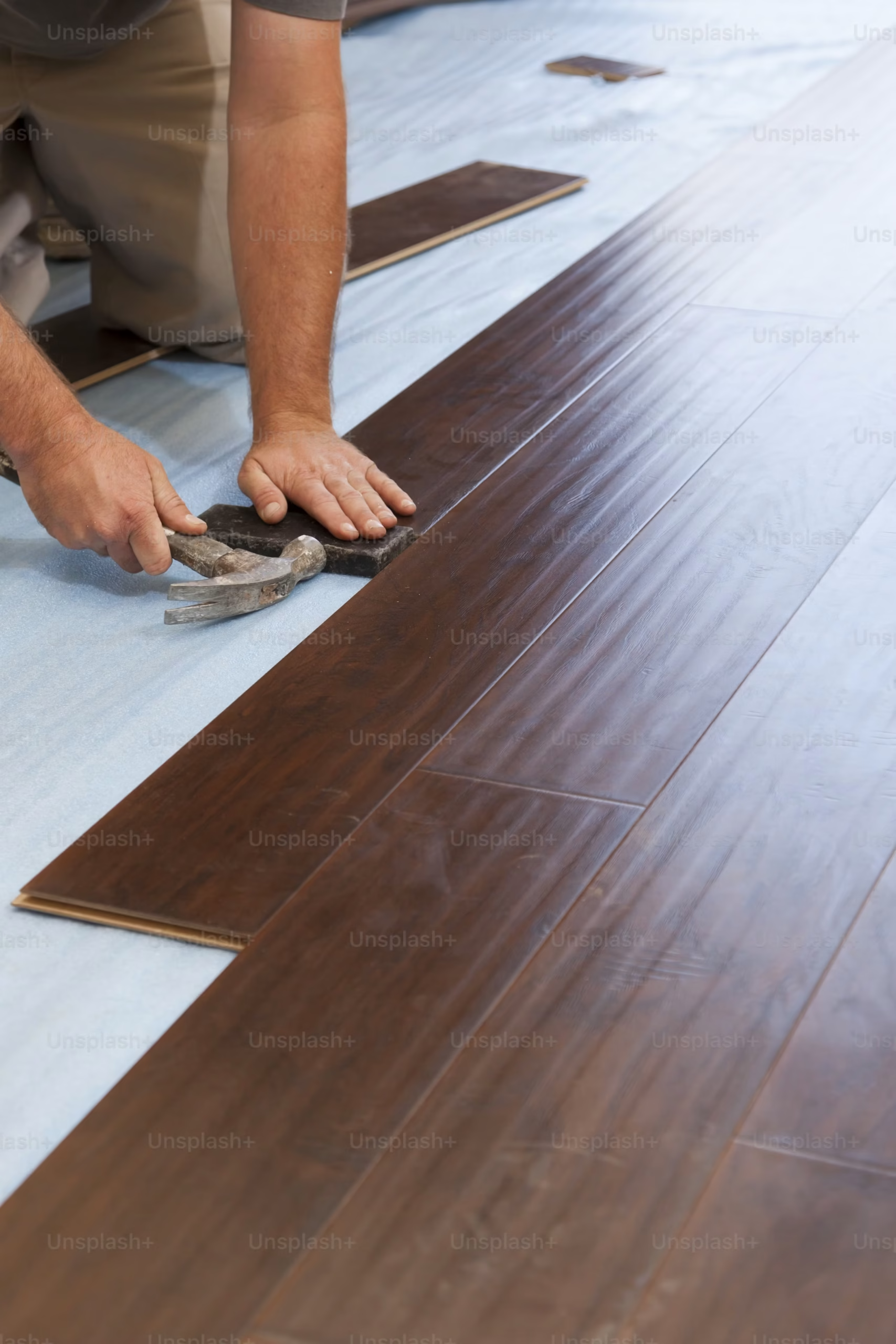
Central Florida’s humidity — from Spring Hill through Ocala and up toward Gainesville — means solid hardwood needs several days to acclimate to the home’s interior conditions before installation. Skipping this step is a leading cause of gapping and cupping down the road.
Kitchens and Bathrooms Need Extra Planning
Moisture-heavy rooms are where plastic-free choices require the most care. Porcelain tile handles bathroom humidity well, while solid hardwood generally isn’t recommended for full baths. If you’re remodeling wet areas, our bathroom remodeling projects and kitchen renovation work both factor material selection into the design from day one, not as an afterthought.
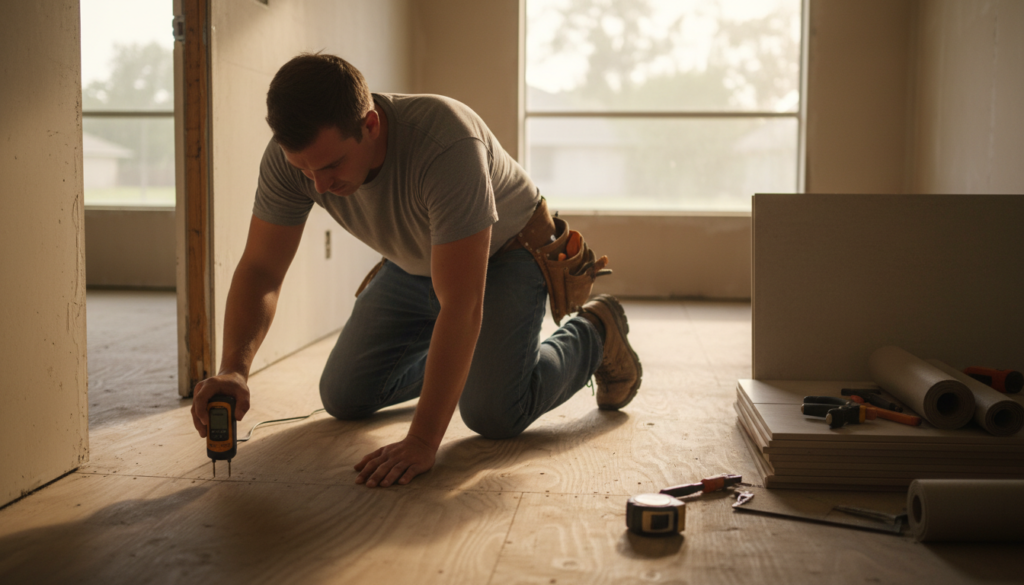
💡 Expert Insight: We always recommend a moisture reading on the subfloor before any plastic-free material goes down — it takes ten minutes and prevents thousands of dollars in future callbacks.
Frequently Asked Questions
Is plastic-free flooring actually better for indoor air quality?
Yes, in most cases, because it eliminates a major source of VOC off-gassing common in synthetic products. Pairing it with low-VOC adhesives and proper ventilation maximizes the benefit.
What is the most durable plastic-free flooring option?
Porcelain tile and natural stone are generally the most durable, often lasting 50 years or more with minimal wear. Solid hardwood is close behind when properly maintained and refinished periodically.
Does plastic-free flooring cost more than vinyl plank?
Usually, yes — expect 20-40% higher upfront costs for materials like solid hardwood or natural stone. However, longevity often offsets that difference over a decade or two.
Can plastic-free flooring handle Florida humidity?
Tile and stone handle humidity excellently, while solid hardwood requires climate control and proper acclimation. Cork and linoleum perform reasonably well in moderate-humidity rooms with sealing.
How do I know if a flooring product is truly pollutant-free?
Check for FloorScore or GREENGUARD certification labels and ask for manufacturer VOC test data. Avoid relying solely on marketing terms like "eco" or "natural" without documentation.
Where can I see plastic-free flooring samples in Ocala or Gainesville?
We bring physical samples directly to homes throughout our Marion, Alachua, Lake, and Hernando county service area, including Ocala, Gainesville, Leesburg, and Mount Dora. You can also browse current material options online before scheduling a visit.
Is cork flooring a good plastic-free option for a home office?
Cork is an excellent choice for home offices thanks to its natural sound absorption and comfortable underfoot feel. It does require sealing to hold up against moisture and daily wear.
Bringing It Home
Plastic-free flooring isn’t a fad — it’s a deliberate choice for homeowners who value air quality, longevity, and craftsmanship over the cheapest square-foot price. Solid hardwood, tile, stone, cork, and linoleum each offer a genuine alternative to plastic-based products, with trade-offs worth understanding before you commit. As of 2026, certification programs like FloorScore and GREENGUARD make it easier than ever to verify claims instead of guessing. If health, durability, and honest craftsmanship matter to your household, this category deserves serious consideration.
Next steps:
- List the rooms where indoor air quality or humidity resistance matters most to your family.
- Compare hardwood, tile, and cork against your budget using a lifetime-cost lens, not just upfront price.
- Ask any contractor for certification documentation before signing a contract.
- Schedule an in-home consultation to see and feel plastic-free samples in your own lighting.
Elite Floor Crafters is licensed to perform flooring and remodeling work throughout Marion, Alachua, Lake, and Hernando counties, Florida. Ready to explore healthier flooring for your home? Request your free quote today and let’s talk through the best plastic-free option for your space.