The best sustainable flooring materials 2025 2026 combine renewable content, low chemical emissions, and enough durability to survive Florida humidity — and right now that short list includes FSC-certified hardwood, cork, bamboo, and PVC-free luxury vinyl. If you’ve ever assumed "eco-friendly" meant flimsy or forgettable, that misconception is costing homeowners better indoor air and longer-lasting floors. As of 2026, manufacturers have closed the gap between green materials and premium performance, so you no longer have to choose one over the other.
We’ve walked plenty of Marion and Alachua County homeowners through this exact decision at Elite Floor Crafters, and the questions are always the same: will it hold up to humidity, will it off-gas, and will it actually look good? This guide answers all three, plus gives you a side-by-side comparison so you can shop with confidence instead of guesswork.
📌 Key Takeaways
- Cork, bamboo, and FSC-certified hardwood remain the top renewable options for 2025-2026.
- PVC-free luxury vinyl plank now rivals traditional LVP in durability without the plasticizer concerns.
- Look for FloorScore or UL GREENGUARD certification to confirm low-VOC emissions.
- Florida’s humidity makes moisture resistance just as important as sustainability credentials.
- A professional install protects your warranty and your indoor air quality investment.
Jump to a section:
- Compare the Top Sustainable Flooring Options
- Understand What "Sustainable" Actually Means
- Match Materials to Florida’s Climate
- Weigh Cost Against Long-Term Value
- Avoid Common Buying Mistakes
- Frequently Asked Questions
Compare the Top Sustainable Flooring Options
Quick Answer: For 2025-2026, the strongest sustainable flooring materials are cork, bamboo, FSC-certified hardwood, and PVC-free luxury vinyl plank. Each balances renewable sourcing with the durability Florida homes demand.
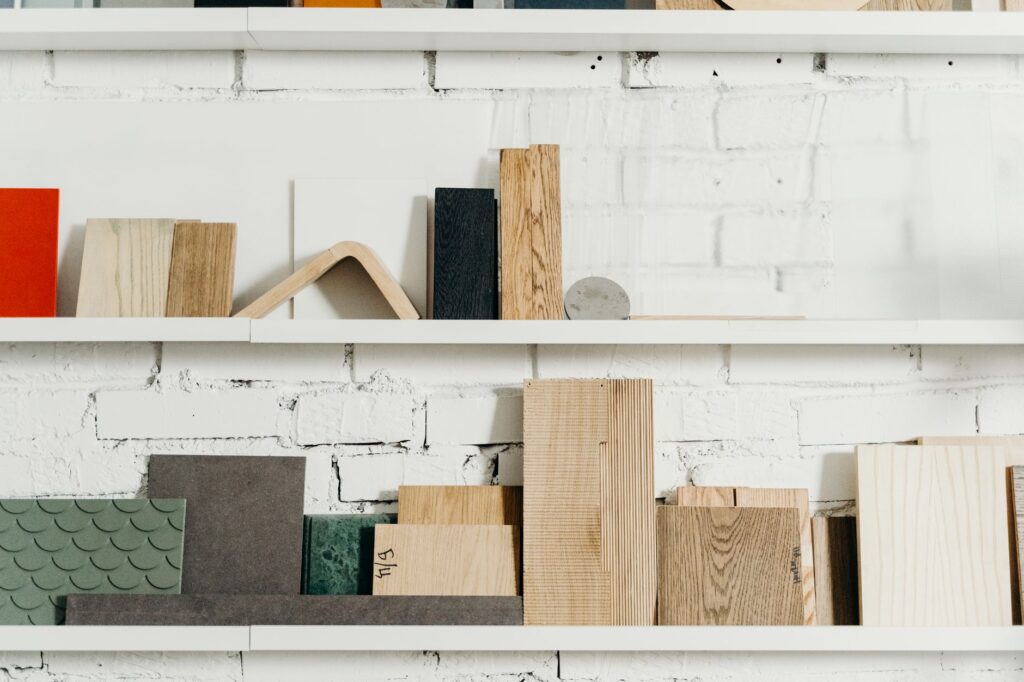
Cork flooring comes from the bark of cork oak trees, which regenerate without being cut down. It’s naturally antimicrobial, comfortable underfoot, and surprisingly durable when properly sealed.
Bamboo is technically a grass, not a tree, which means it regrows in as little as three to five years. Quality matters here — look for strand-woven bamboo, which is denser and more scratch-resistant than traditional bamboo planks.
Hardwood and PVC-Free Vinyl Options
FSC-certified hardwood carries a chain-of-custody guarantee from the Forest Stewardship Council, confirming the wood came from responsibly managed forests. It’s a favorite among homeowners who want the timeless warmth of real wood with a documented sustainability trail.
PVC-free luxury vinyl plank has become one of the fastest-growing categories we install, and we cover it in more depth in our guide to eco-friendly PVC-free flooring. It skips the chlorine-based plasticizers of traditional vinyl while still delivering waterproof performance.
| Material | Renewability | Moisture Resistance | Typical Lifespan |
|---|---|---|---|
| Cork | High (bark regrows) | Moderate with sealant | 25-40 years |
| Bamboo (strand-woven) | Very high (fast regrowth) | Moderate | 20-30 years |
| FSC-Certified Hardwood | Managed/certified | Low-Moderate | 30-100 years |
| PVC-Free Luxury Vinyl | Recycled/bio-based content | High | 15-25 years |
✅ Quick Tip: Ask your flooring contractor for the manufacturer’s certification sheet before you buy — a verbal claim of "eco-friendly" isn’t the same as documented proof.
Understand What "Sustainable" Actually Means
Quick Answer: Sustainable flooring refers to materials that are renewable, responsibly sourced, and low in harmful emissions — not just recycled content alone. Certification labels are the clearest way to verify these claims.
The term gets used loosely in showrooms, so it helps to define it plainly. A truly sustainable floor typically meets three criteria: renewable or recycled raw material, low-impact manufacturing, and low volatile organic compound (VOC) emissions once installed. VOCs are gases released from certain building materials that can affect indoor air quality.
According to the U.S. Environmental Protection Agency, indoor air can be significantly more polluted than outdoor air, partly due to materials that off-gas over time. That’s why VOC ratings matter as much as the raw material itself.
Certifications Worth Recognizing
UL GREENGUARD Gold and FloorScore certifications both test for chemical emissions, and the U.S. Green Building Council’s LEED program awards points for flooring that meets these thresholds in commercial and residential projects alike. If a product carries one of these labels, you’re getting third-party verification rather than a marketing claim.
💡 Expert Insight: We’ve found that homeowners who ask about certifications upfront usually end up happier with their floors long-term — it shifts the conversation from "does it look nice" to "will it actually perform."
Match Materials to Florida’s Climate
Quick Answer: Humidity and moisture are the biggest factors in choosing sustainable flooring for Central Florida homes. PVC-free vinyl and sealed cork handle it best, while solid hardwood needs extra precautions.
Homes in Ocala, Gainesville, and Leesburg deal with year-round humidity swings that can cause wood to expand and contract. Engineered hardwood, which layers a real wood veneer over a stable plywood core, handles this movement far better than solid planks.
We’ve installed sustainable flooring in everything from lakeside cottages in Tavares to newer builds in Clermont and Summerfield, and the pattern holds true everywhere: moisture management comes first, aesthetics second. Skipping a proper moisture barrier is the single most common reason a beautiful floor fails early.
Room-by-Room Considerations
Bathrooms and kitchens need the highest moisture tolerance, which is why we often recommend PVC-free vinyl in those spaces — see our kitchens and bathrooms project pages for real examples. Bedrooms and living rooms give you more flexibility to use cork or bamboo where humidity control is easier to maintain.
⚠️ Common Mistake: Installing solid hardwood in a Florida bathroom without adequate ventilation almost always leads to cupping or warping within a few years.
Weigh Cost Against Long-Term Value
Quick Answer: Sustainable flooring often costs slightly more upfront but saves money over time through durability, lower maintenance, and better indoor air quality. Think in terms of cost per year of service, not just sticker price.
A $4-per-square-foot bamboo floor that lasts 25 years is a better value than a $2.50 option that needs replacing in eight. That math holds true whether you’re flooring a starter home in Newberry or a full remodel in Mount Dora.
DIY vs. Professional Installation
Many sustainable materials, especially cork and floating-click bamboo, are marketed as DIY-friendly. In practice, subfloor prep and moisture testing make the biggest difference in whether a floor lasts, and that’s where professional installation earns its cost.
| Factor | DIY Installation | Professional Installation |
|---|---|---|
| Subfloor moisture testing | Often skipped | Standard practice |
| Warranty protection | Frequently voided | Typically preserved |
| Time investment | Days to weeks | 1-3 days average |
| Risk of costly mistakes | Higher | Lower |
📊 Data Point: According to the EPA, proper ventilation during and after flooring installation measurably reduces indoor VOC concentrations, reinforcing why prep and process matter as much as material choice.
If you’re weighing costs across a whole remodel, our Florida flooring ROI guide breaks down return on investment by material and room.
Avoid Common Buying Mistakes
Quick Answer: The most common mistakes are trusting vague "green" labeling, skipping certification checks, and ignoring humidity-specific installation needs. Each is easy to avoid with the right questions.
First, don’t assume every vinyl product labeled "eco" is PVC-free — always ask directly and request documentation. Second, don’t skip asking about the adhesive or underlayment, since those can carry their own emissions regardless of the flooring itself.
Questions to Ask Your Contractor
- Which certifications does this product carry, and can I see the documentation?
- What underlayment or adhesive will be used, and is it low-VOC?
- How will you handle subfloor moisture testing before installation?
- What’s the expected lifespan for this specific room and climate?
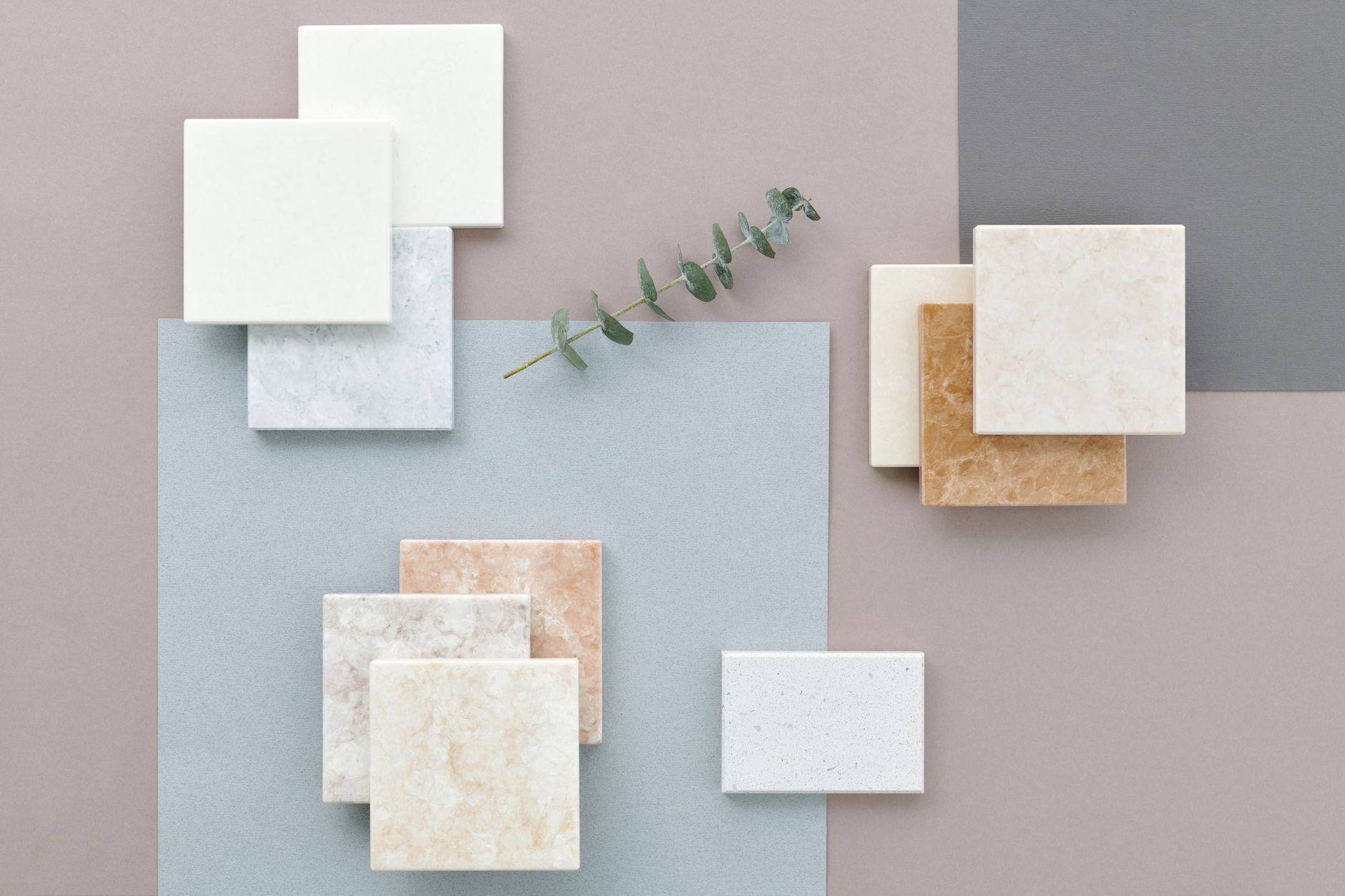
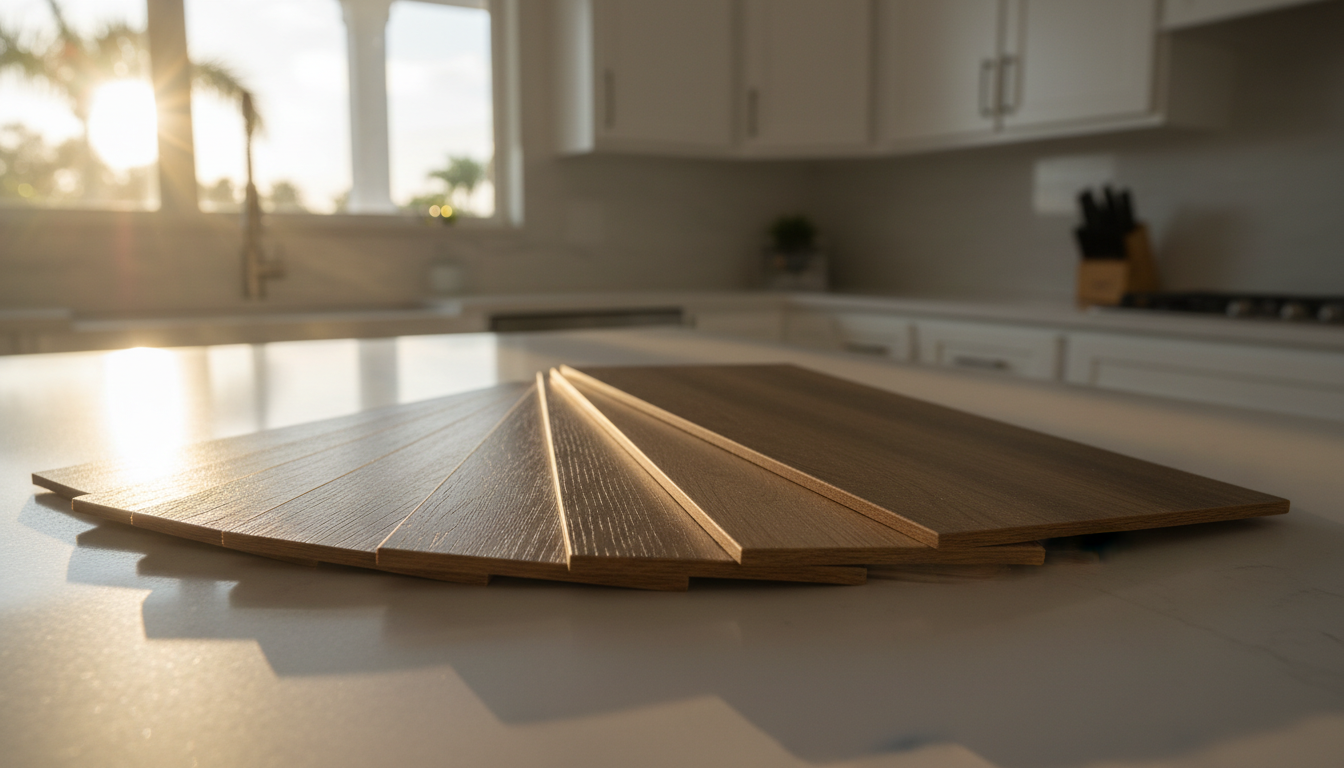
Homeowners in Ocala and The Villages area who’ve compared options in person often start with our mobile showroom experience, which lets you see samples in your own lighting before deciding.
✅ Quick Tip: Bring a sample home for 48 hours before committing — humidity, lighting, and existing decor all change how a material reads in person.
Frequently Asked Questions
What are the best sustainable flooring materials for 2025 2026?
The best sustainable flooring materials 2025 2026 include cork, strand-woven bamboo, FSC-certified hardwood, and PVC-free luxury vinyl plank. Each offers renewable or responsibly sourced content along with low-VOC performance suited to modern homes.
Is bamboo flooring actually more sustainable than hardwood?
Bamboo regrows in three to five years, much faster than hardwood trees, making it one of the most renewable flooring materials available. However, quality varies widely, so choosing strand-woven bamboo from a reputable supplier matters more than the material label alone.
What is the top rated sustainable flooring for startups or small renovation budgets?
For smaller budgets, PVC-free luxury vinyl plank often delivers the best balance of low cost, durability, and sustainable sourcing. It handles moisture well, which also reduces long-term repair costs compared to cheaper alternatives.
Does sustainable flooring hold up in Florida’s humidity?
Yes, when the right material and installation method are chosen for the room and climate. PVC-free vinyl and properly sealed cork are especially well suited to Central Florida’s humidity swings.
How much more does sustainable flooring cost compared to standard options?
Sustainable flooring typically costs 10-20% more upfront, though pricing varies by material and supplier. Many homeowners recover that difference through longer lifespan and lower maintenance over time.
Are low-VOC and sustainable flooring the same thing?
Not exactly — low-VOC refers to chemical emissions, while sustainable refers to how the material is sourced and produced. The best products, however, typically meet both standards, which is why checking certifications matters.
Where can I see sustainable flooring samples in person near Ocala?
Elite Floor Crafters offers a mobile showroom that brings sustainable flooring samples directly to homeowners across Ocala, Gainesville, and The Villages area. This lets you compare materials in your own lighting before making a decision.
Final Thoughts
Choosing among the best sustainable flooring materials 2025 2026 comes down to matching renewable, low-VOC materials with Florida’s humidity realities. Cork, bamboo, FSC-certified hardwood, and PVC-free vinyl each bring real strengths, but the right choice depends on your room, budget, and long-term goals. Certifications and professional installation protect that investment far more than marketing language ever will. We’ve seen homeowners across Marion, Lake, and Alachua counties get this decision right by asking the right questions early.
- Identify which rooms need the highest moisture resistance.
- Request certification documentation for any "eco-friendly" product you’re considering.
- Compare samples in your own home’s lighting before deciding.
- Schedule a professional moisture assessment before installation day.
Elite Floor Crafters is licensed and insured to serve homeowners throughout Alachua, Lake, Marion, and Hernando counties. Request your free consultation today at elitefloorcrafters.com/request-a-quote and let’s find the sustainable flooring that fits your home and your life.